
Considering Clay Tile Roofer Contractors in Nipomo California?
Creative Roofing installs, repairs and re-sets the heavy, long-lived coverings found on many homes in the region, serving homeowners in Nipomo California and beyond.
Phone 805-723-2381 and we will explain what is involved.
Basics of a Roof Built From Individual Pieces
Clay and concrete units are individual pieces hung on a roof, overlapping like fish scales to shed water, and that is worth keeping in mind. Natural clay holds its color for a very long time, while concrete may need more attention to its finish, so samples help with the choice.
Structure First, Style Second
The framing is the foundation of any heavy roof, and an engineer may be involved in a conversion. Even a roof originally built for heavy units can lose strength over time if water has damaged the wood, and the cost of that work belongs in the plan.
Felt, Membranes and Battens
Many leaks on roofs of this kind begin with a failed underlayment, not with the pieces on top, and it ages in the heat trapped under the pieces. Modern synthetic and self-adhering underlayments last longer under high temperatures, and that is worth keeping in mind.
Why Tile Suits Hot Weather
The heavy mass of the pieces absorbs heat during the day and releases it slowly at night, and the color stays true for decades. A gentle wash and a clear sealer can refresh the appearance of an older roof, and surface cleaning is far cheaper than replacement.
Walking on a Fragile Roof
Slipped pieces that have shifted out of line leave gaps that rain can reach, and the details are worth a closer look. A short inspection after any work on the roof catches damage early, and a good roofer will always carry a supply.
Hand-Shaped Metal and Mortar
Flashing along walls, chimneys and skylights has to be formed and shaped by hand around each piece, and that is worth keeping in mind. Dry-set ridge systems replace mortar with clips and are easier to maintain, and it deserves attention as the roof ages.
Holding Heavy Pieces in Place
Some systems use a mechanical clip at every piece, while others rely on adhesive along the edges, and edges and ridges deserve the most attention. Keeping the roof and gutters clear of leaves and needles is part of staying safe, and the details are worth a closer look.
Repair, Re-Lay or Replace
The decision depends on how many pieces are cracked and how the underlayment is holding up, and it is easy to overlook. Replacing the covering gives the chance to upgrade the structure, the ventilation and the details, and a good roofer will lay them out plainly.
How Units Are Bedded and Secured
Cement bedding has been the traditional method for capping a ridge, but it is rigid and breaks as the roof flexes with temperature, so ask how the pieces will be held in place. Replacing these strips during a re-lay is inexpensive, and it improves both fire resistance and cleanliness, and a little care goes a long way.
Looking After the Appearance
A gentle low-pressure wash can restore the appearance of a roof, but harsh pressure damages the surface and loosens the pieces, so consider it before deciding to replace. Cleaning is not a substitute for repairs, but it often reveals cracked pieces that were hidden by grime, and the roof will look and perform better.
Specifying the Hidden Layer
Choosing a durable underlayment is one of the best investments in a long-lived roof, since it is the layer that has to outlast the rest, and the choice should be in writing. Self-adhering membrane is often used in valleys, around penetrations and along the eaves, where leaks are most likely to begin, and the extra layer is inexpensive protection.
Planning Equipment Around the Units
Mounting an array on a roof of this type means lifting or cutting units around every bracket and sealing the opening beneath, and a little care goes a long way. A roofer can place a few walkway planks or marked steps to protect the routes that others will use, and inspect after every visit. Clearing debris from valleys before the rainy season is the simplest way to protect the underlayment beneath them, and a small repair now prevents a leak later.
Choosing Between Clay and Concrete
Natural clay generally keeps its color for a very long time, while a coated concrete surface can fade or chalk and may need refreshing, and that is worth keeping in mind. Profiles vary from the rounded barrel shape seen on Spanish and Mediterranean homes to flat slabs and interlocking designs that look like slate or shake, and it pays to think it through.
What Should Be Written Down
The best contractors put the specifics in writing, and compare two bids line by line. A roofer who has re-laid many roofs knows the pitfalls and can describe them without hesitation, and keep notes to compare later.
From Lifting the Units to Setting Them Back
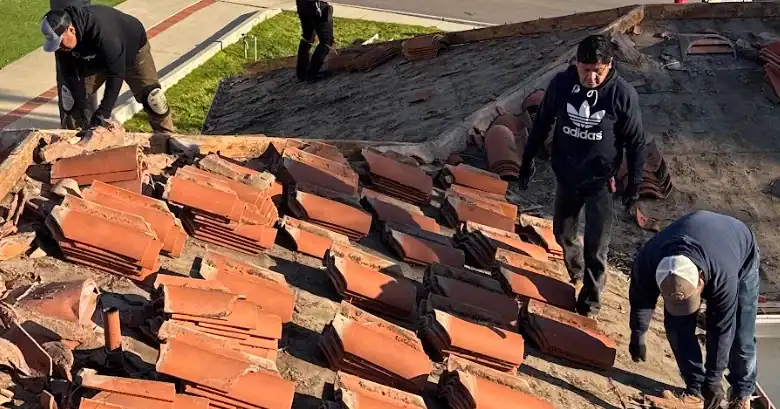
A re-lay begins with the units being lifted in sections, stacked carefully and sorted so that sound pieces are kept and broken ones are set aside for replacement, and the whole process takes patience.
Wildfire Season and Heavy Roofs
Clearing leaves and needles from valleys, gutters and the back of chimneys removes fuel that could ignite from a flying ember, and a roofer can check them quickly.
Records, Photographs and Spare Pieces
Passing these records to the next owner of the house adds real value and saves them a good deal of guesswork, and it costs almost nothing to keep them.
Talk to Us About Your Roof
Anyone sorting out Clay Tile Roofer Contractors in Nipomo California is one call away from a straight answer, with 805-723-2381 ready whenever you want to talk. Calling before a problem becomes urgent makes it easier to compare materials and schedules, and the roof will tell the story once someone looks.
Verified

Verified
Verified
Verified
Verified






















