
Considering Clay Tile Roofers Serving Central Coast California?
Creative Roofing keeps barrel, flat and interlocking roofs weathertight from the deck up, for homes in Central Coast California and the towns around it.
Phone 805-723-2381 to set up a visit to look at your roof.
What Makes a Roof Out of Fired Clay or Molded Concrete Different
Every piece is shaped to channel water downhill and over the piece below, so the layers below matter more than most people expect. Both materials resist fire, which has made them popular where wildfire is a concern, and it pays to think it through.
Checking the Rafters Before Choosing
Heavy coverings put real stress on rafters, trusses and walls, which is why the structure is checked first, so a visual check is where the process begins. Even a roof originally built for heavy units can lose strength over time if water has damaged the wood, and a casual answer should give you pause.
What Sits Beneath the Pieces
The membrane is out of sight, which is why it is easy to forget, so even a good surface can hide a tired layer. The felt paper on older roofs becomes brittle and breaks when the pieces are lifted, and that is why age matters as much as appearance.
Why Tile Suits Hot Weather
Clay and concrete handle strong sun far better than lighter coverings, which is a large part of their appeal here, and it pays to think it through. Moss and lichen are less of a problem in dry summers, though shaded areas may collect some, so ask before assuming the roof is failing.
What Goes Wrong on the Surface
Broken pieces are the most common problem on a roof of this kind, and they usually come from foot traffic, and waiting makes the repair more expensive. Roofers who work on fragile coverings place their feet on the lower part of the unit where it is supported, and keep spare pieces from the original installation.
Edges and Intersections
Every junction on the roof is a place where craft decides the outcome, and that is worth keeping in mind. The cap line at the top of the roof is one of its most exposed areas, so look for loose or missing cap pieces.
Holding Heavy Pieces in Place
Some systems use a mechanical clip at every piece, while others rely on adhesive along the edges, and the attachment method should be in the proposal. Keeping the roof and gutters clear of leaves and needles is part of staying safe, and clean valleys are important.
Matching the Work to the Condition
The decision depends on how many pieces are cracked and how the underlayment is holding up, and it is easy to overlook. Spalling concrete, crumbling clay and widespread cracks are signs that the surface is at its end, so it is a time to consider all the options.
How Units Are Bedded and Secured
Foam adhesives are widely used to secure units, particularly in areas where wind is a concern, because they bond quickly and resist uplift, and the best answer is specific to your roof. The openings along the bottom edge of a profiled roof need a closure strip, or they become a doorway for pests and debris, and a good roofer checks them without being asked.
Dirt, Lichen and Cosmetic Wear
Surface growth tends to be slower in dry summers, though shaded areas may still collect some, and the details are worth a closer look. Cleaning is not a substitute for repairs, but it often reveals cracked pieces that were hidden by grime, and it is easy to overlook.
Specifying the Hidden Layer
The underlayment is the part of a roof of this kind that owners cannot see and roofers can easily skimp on, so it deserves specific attention in a proposal, and that is worth keeping in mind. Combining a sturdy base layer with extra protection at critical points gives a roof two lines of defense, and it adds only modestly to the cost.
Solar Panels, Skylights and Heavy Roofs
The best time to add rooftop equipment is when the roof is being re-laid, because the openings can be built in properly, and the decision deserves some planning. Every person who climbs onto a roof of this kind risks cracking something, so access should be limited to those who know how to walk it, and the details are worth a closer look. A valley that is clogged with leaves and needles can send water sideways under the units, which they are not designed to handle, and it is easy to overlook.
Two Materials, Two Personalities
Natural clay generally keeps its color for a very long time, while a coated concrete surface can fade or chalk and may need refreshing, and that is worth keeping in mind. Flat profiles give a contemporary look and are often used on modern houses, while barrel shapes suit traditional architecture, and take your time with the choice.
Getting Specific About a Heavy Roof
The best contractors put the specifics in writing, and the details are what you are really buying. Find out whether the crew has experience on heavy roofs and can show examples of finished work, so do not hesitate to ask.
How a Restoration Proceeds
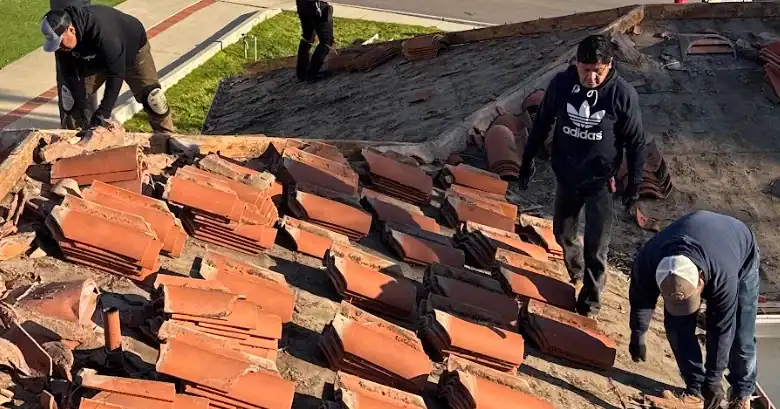
Pieces are removed row by row from the top down, and the crew takes care to avoid cracking more units than the roof already has, and the whole process takes patience.
Seasonal Readiness for a Tile Roof
Before the dry season peaks, a quick walk around the house with binoculars can show broken units, loose ridge pieces and debris piled in the valleys, and repair broken pieces before the winds arrive.
Documenting the Work for the Future
Passing these records to the next owner of the house adds real value and saves them a good deal of guesswork, and it costs almost nothing to keep them.
Start the Conversation
Those comparing Clay Tile Roofers in Central Coast California can reach us by phone, and the number is 805-723-2381. Planning ahead usually leads to better choices than reacting to an emergency, and the roof will tell the story once someone looks.






















