
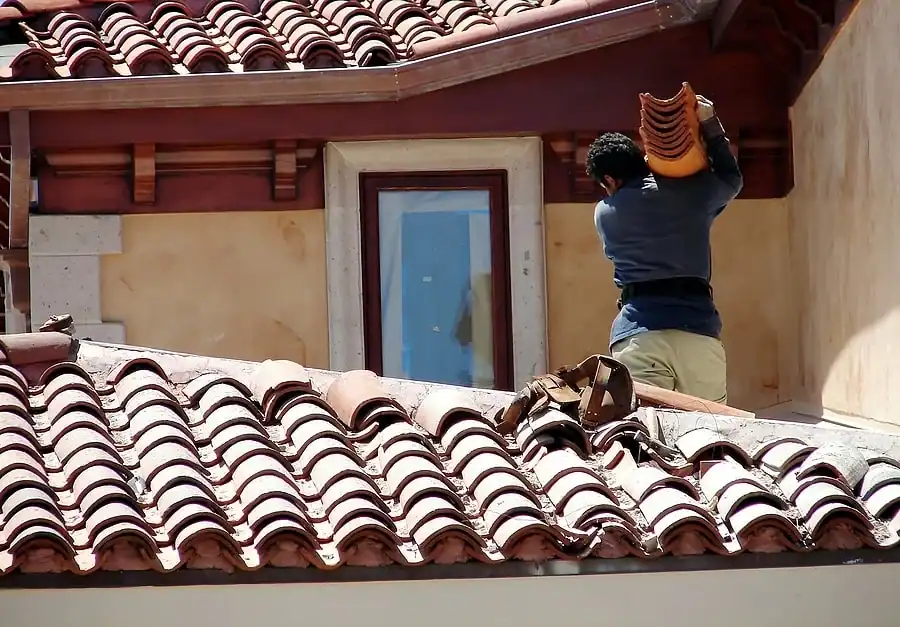
Considering Concrete Tile Roofer Contractors Serving Guadalupe California?
Creative Roofing installs, repairs and re-sets the heavy, long-lived coverings found on many homes in the region, for homes in Guadalupe California and the towns around it.
Phone 805-723-2381 and describe the roof and what you are seeing.
How These Roofs Are Put Together
Fired clay and molded concrete are the two materials used for the heavy, durable coverings found across the region, and the overlap lets water run off quickly. Both materials resist fire, which has made them popular where wildfire is a concern, and the weight differs between materials.
Heavy Roofs Need a Sound Structure
Many houses built for tile are designed to carry it, while others would need reinforcement, and an engineer may be involved in a conversion. Replacing a lighter covering with a heavier one without checking the structure is a serious mistake, and the cost of that work belongs in the plan.
Why Leaks Start Below the Surface
The membrane is out of sight, which is why it is easy to forget, and a re-lay is the chance to replace it. Replacing the underlayment when the units are removed gives the roof a fresh start, and that is why age matters as much as appearance.
Strong Sun and Fired Surfaces
Clay and concrete handle strong sun far better than lighter coverings, which is a large part of their appeal here, and it pays to think it through. Moss and lichen are less of a problem in dry summers, though shaded areas may collect some, so ask before assuming the roof is failing.
What Goes Wrong on the Surface
Falling branches and windblown debris can also crack pieces in a storm, and replacing a broken piece is a quick job. Satellite installers, painters and gutter cleaners are common causes of damage, and it is easy to overlook.
Where Pieces Meet Walls and Each Other
Valleys carry the most water on a roof, and the metal channel beneath the pieces must be sound, and that is worth keeping in mind. Ridge and hip pieces are bedded in mortar or fastened with mechanical systems, and the old mortar often fails before the roof does, and the repair is far less costly than water damage.
Wind, Fire and the Fastening Question
Nails, clips and foam adhesive are the common ways to secure units to the roof, and edges and ridges deserve the most attention. Bird stops and closures at the eave seal the openings where embers might enter, and the details are worth a closer look.
Options for a Tired Roof
The decision depends on how many pieces are cracked and how the underlayment is holding up, and it is easy to overlook. A full replacement is a bigger project, but it resets the clock on the entire roof, and the new material can be a different type.
Mortar, Foam and Dry-Set Methods
Each fastening method has strengths, and the choice depends on the slope, the wind exposure and the local rules, and it pays to think it through. The openings along the bottom edge of a profiled roof need a closure strip, or they become a doorway for pests and debris, so these small parts deserve attention.
Washing, Sealing and Surface Care
Cleaning should be done carefully by someone who knows the material, since walking on the roof is a risk to the units themselves, and a clean roof looks years younger. High pressure is the wrong tool for a roof made of individual pieces, because the water is driven uphill under the laps, and it is easy to overlook.
A Better Base for a Long-Lived Roof
Heavy felt, synthetic sheets and self-adhering membranes are the common options, and they differ in heat resistance and tear strength, and that is worth keeping in mind. A sticky rubberized sheet seals around fasteners and clings to the deck, providing waterproofing even if the surface layer is breached, so look for it in the proposal.
Solar Panels, Skylights and Heavy Roofs
The best time to add rooftop equipment is when the roof is being re-laid, because the openings can be built in properly, and the decision deserves some planning. Satellite dishes, antennas and holiday lights are small additions that can break units if the installer is careless or the fasteners are driven in the wrong place, and inspect after every visit. When rain arrives in a sudden burst after months of dry weather, the valley is the first place where a defect shows, and a small repair now prevents a leak later.
Weighing Clay Against Concrete
Between the two, concrete is usually the more economical, while clay is prized for its authentic look and its long record of service, and the difference shows up in the details. Matching the profile to the style of the house is the first design decision, and it affects the cost and the installation method, and a good supplier will lend a few.
How to Weigh Two Bids
The best contractors put the specifics in writing, and compare two bids line by line. A roofer who has re-laid many roofs knows the pitfalls and can describe them without hesitation, so do not hesitate to ask.
What Happens on Site
Pieces are removed row by row from the top down, and the crew takes care to avoid cracking more units than the roof already has, so a re-lay is slower than a shingle job.
Preparing for Dry Winds and Embers
Before the dry season peaks, a quick walk around the house with binoculars can show broken units, loose ridge pieces and debris piled in the valleys, so make it part of the late-summer routine.
Records, Photographs and Spare Pieces
After a re-lay or a repair, keep the photographs, the proposal and a few spare units stored somewhere safe, because color and profile matching gets harder with time, and it pays to think it through.
Talk to Us About Your Roof
People researching Concrete Tile Roofer Contractors in Guadalupe California are welcome to call with questions, so dial 805-723-2381 when it suits you. Even a quick call can clear up questions about underlayment, repairs and timing, and we are glad to help you sort it out.
Verified

Verified
Verified
Verified
Verified






















