
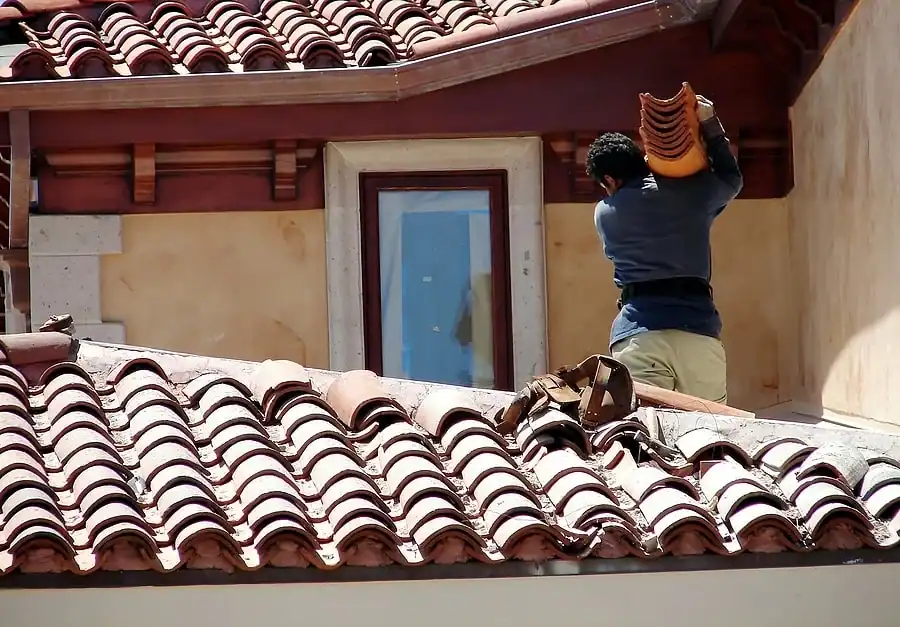
Considering Concrete Tile Roofer Services Around Nipomo California?
Creative Roofing installs, repairs and re-sets the heavy, long-lived coverings found on many homes in the region, across Nipomo California and nearby.
Call 805-723-2381 to set up a visit to look at your roof.
What Makes a Roof Out of Fired Clay or Molded Concrete Different
A roof of this kind is a layered system in which each piece overlaps the next and the structure beneath does the waterproofing, and the overlap lets water run off quickly. Natural clay holds its color for a very long time, while concrete may need more attention to its finish, and the weight differs between materials.
Weight, Framing and What the House Can Carry
A concrete or clay roof weighs several times more than a shingle roof, so the framing has to be up to the load, and an engineer may be involved in a conversion. Replacing a lighter covering with a heavier one without checking the structure is a serious mistake, and the cost of that work belongs in the plan.
The Hidden Layer That Does the Work
The membrane is out of sight, which is why it is easy to forget, so even a good surface can hide a tired layer. A roof can look perfect from the street and be failing underneath, and the answer says a lot about the contractor.
Dry Climate, Durable Roof
Clay and concrete handle strong sun far better than lighter coverings, which is a large part of their appeal here, and it pays to think it through. Cosmetic wear is common and does not usually affect performance, so ask before assuming the roof is failing.
Cracks, Slips and Broken Pieces
A cracked unit lets water reach the underlayment, which is meant for backup rather than constant exposure, and waiting makes the repair more expensive. Anyone who walks a roof of this kind needs to know where to step, because the wrong spot breaks the piece, and a good roofer will always carry a supply.
Where Pieces Meet Walls and Each Other
Every junction on the roof is a place where craft decides the outcome, and metal valleys should be replaced during a re-lay. Dry-set ridge systems replace mortar with clips and are easier to maintain, and the repair is far less costly than water damage.
Holding Heavy Pieces in Place
A roof with loose pieces is a hazard in a windstorm, and local rules in windy areas may require specific fastening. Clay and concrete are noncombustible, which is a strong advantage in a region with wildfire seasons, and the details are worth a closer look.
Deciding What an Aging Roof Needs
Many of these roofs are restored two or three times over the life of the building, and avoid roofers who recommend replacement without looking. Spalling concrete, crumbling clay and widespread cracks are signs that the surface is at its end, and the new material can be a different type.
Ridge Bedding and Edge Details
Each fastening method has strengths, and the choice depends on the slope, the wind exposure and the local rules, and the best answer is specific to your roof. Eave closures and bird stops fill the gap beneath the lowest course, keeping out birds, rodents, leaves and windblown embers, and a tidy edge looks better as well.
Washing, Sealing and Surface Care
Dust, pollen and shade can leave a roof of this type looking dull and streaked, even when it is perfectly sound, and a sealer can slow the return of stains. High pressure is the wrong tool for a roof made of individual pieces, because the water is driven uphill under the laps, and a post-cleaning inspection is a good idea.
Selecting the Layer Beneath
High-temperature rated products suit the hot conditions found beneath dark units on a sunny slope, and that is worth keeping in mind. Counter-battens add further airflow and reduce heat transfer into the attic, and it pays to think it through.
Planning Equipment Around the Units
Mounting an array on a roof of this type means lifting or cutting units around every bracket and sealing the opening beneath, and ask who is responsible for the seals. Service technicians for air conditioning and chimney sweeps should be told to step only where the roof can bear a person, and the details are worth a closer look. Valleys and low points on a roof of this kind carry the heaviest flow in a downpour, and the units along their edges are cut to fit and sealed with care, and a ladder and a soft broom are often all you need.
Choosing Between Clay and Concrete
Natural clay generally keeps its color for a very long time, while a coated concrete surface can fade or chalk and may need refreshing, and the better choice depends on the house and the budget. Matching the profile to the style of the house is the first design decision, and it affects the cost and the installation method, so hold them against the house.
Comparing Tile Roofing Proposals
The written scope should say whether the existing units will be reused and who will supply replacements, and compare two bids line by line. Find out whether the crew has experience on heavy roofs and can show examples of finished work, and the details are worth a closer look.
From Lifting the Units to Setting Them Back
Work in stages keeps the house covered at the end of every day, so that a sudden rain does not find an open roof, and it is easy to overlook.
Roofs of Fired Clay and Concrete in Wind and Fire Country
Clearing leaves and needles from valleys, gutters and the back of chimneys removes fuel that could ignite from a flying ember, and that is worth keeping in mind.
Records, Photographs and Spare Pieces
Photographs taken during the work show what lies under the units, which is a view that nobody sees again for decades, so ask the roofer for copies.
Start the Conversation
Homeowners weighing Concrete Tile Roofer Services in Nipomo California can begin by describing the house and the roof they have, and 805-723-2381 reaches someone who can help. Calling before a problem becomes urgent makes it easier to compare materials and schedules, and we are glad to help you sort it out.
Verified

Verified
Verified
Verified
Verified






















