
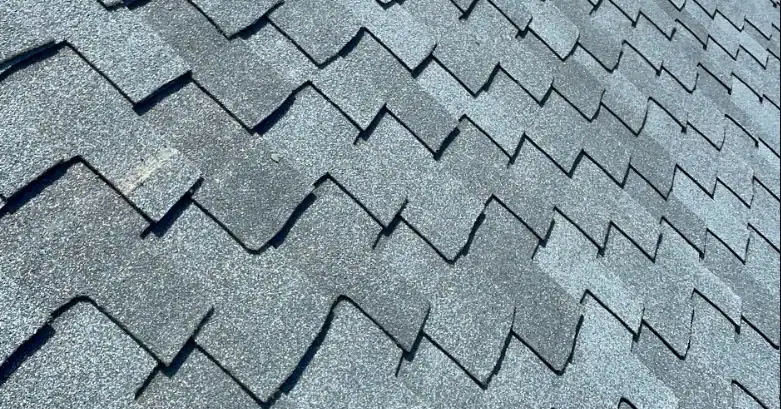
Shopping for Luxury Shingle Roof Installations Close to Central Coast California?
Creative Roofing lays asphalt, architectural and designer shingles over carefully prepared decks, for homes in Central Coast California and the towns around it.
Call 805-723-2381 and we will go over what a shingle roof involves.
Layers You Cannot See From the Street
Most roofs on houses here wear shingles built from a glass-fiber core with an asphalt skin, and each part has a job to do. A shingle that has lost its granules is losing its sunscreen, so a handful of grit in a downspout tells a story.
Shingle Grades Explained
Older houses often wear three-tab shingles because they were once the standard, and fewer new roofs use it today. Most new roofs on houses today use architectural shingles, which look richer and resist wind better, so there is something for most houses. Designer shingles are heavier and carefully styled to resemble natural slate or cedar, and it is easy to overlook.
How California Weather Wears a Shingle
Heat, ultraviolet light and temperature swings wear the surface steadily, so those slopes make a useful gauge of overall condition. Cracks across the face open the way for water to reach the layers below, so they deserve attention before the rainy season.
Light Versus Dark
A pale shade reflects more sunlight than a dark one, which can reduce heat entering the attic, and the effect is easiest to see on a hot day. Some manufacturers offer cool-roof shingles with special granules that reflect more infrared light, and local rules sometimes encourage them.
Installation Details That Decide Longevity
Nails driven too high or too low weaken the hold of the whole course, so ask how many nails go into each shingle. A starter strip along the eave and the rake gives the first course a sealed edge and extra grip, and that is worth keeping in mind. Hips and ridges are capped with special pieces that bend over the peak and seal the top of the roof, and replacing a ridge is simple when done in time.
Wind, Seasonal Gusts and Sealing
Heat from the sun is what finishes the job on a new roof, and the nails hold the rest. Wind rarely harms a well-sealed roof, but it finds every weak spot on an old one, so a loose shingle should not wait for the next storm.
Air Movement Under the Deck
A balanced system of intake and exhaust keeps the temperature under the roof closer to the air outside, and ridge vents work well with soffit intake. Blocking the soffit vents with insulation is a common mistake that undermines the whole system, and avoid anyone who ignores the question.
The Details Beneath and Beside the Field
The shingles shed most of the water, but the underlayment handles the rest, and the choice affects how the roof performs. Valleys are the crossing channels where two slopes meet, and they carry the most water on the roof, and replacing flashing during a re-roof is standard practice.
Spotting Trouble Early
Look for lines of shadow where shingles have lifted and for stains inside the house, so take the whole picture into account. Patching makes sense when the damage is limited and the shingles are otherwise healthy, and the savings can be substantial. Matching old shingles is difficult, so large repairs often look patchy, and choose the new shingles with care.
Tear-Off, Layers and the Deck Beneath
A complete tear-off lets the roofer inspect each sheet of decking and replace any that has been stained, softened or split, and the bare deck is also the moment to check ventilation openings. Overlaying is a shortcut that a careful roofer will explain before agreeing to it, and a second layer is difficult to remove later. Since the extent of deck damage cannot be known until the old roof is off, a fair agreement sets a method for pricing the extra work, and expect a call with photographs.
Debris, Magnets and Final Sweeps
Tarps along the walls, plywood over delicate plantings and a bin positioned below the edge keep the mess contained, and it is easy to overlook. Rolling magnets across the lawn, the driveway and the planting beds collects what a rake and the eye miss, and it is reasonable to inspect it together. A new shingle roof sheds a little loose grit in its first months, and some of it ends up in the gutters, and the new roof will thank you.
Timing a Shingle Replacement
Shingle work goes best in dry, mild weather, when the sealing strips bond quickly and the crew can leave the roof open without worry, so booking ahead is wise. Crews adjust to the heat by working early and finishing before the worst of the afternoon, which protects the material and the people, and patience pays off in the finished roof.
Rooftop Additions and Shingle Work
Skylights and chimneys are best flashed with new metal whenever the shingles are replaced, since reusing old pieces under a new roof invites a leak, and mention any plans to add more later. Anyone considering rooftop solar should have the age and condition of the shingles assessed first, and that is worth keeping in mind.
Making a Repair Look Right
Manufacturers change colors and blends over time, so an exact match for a discontinued shingle may simply not exist anymore, and place the repair where it is least visible.
Carrying Water Away From the House
Shingles should overhang the drip edge by a small, consistent amount so that water drops cleanly into the gutter instead of curling back under, and fixing it now costs less than later.
Questions for a Shingle Roofer
A good proposal names the shingle line, the color, the underlayment and the flashing materials, and the line items let you compare two bids fairly. Ask about the schedule and how the roof will be covered if rain is forecast, and it is easy to overlook.
Next Steps for Your Roof
A conversation about Luxury Shingle Roof Installations in Central Coast California usually starts with the age of the current roof, and 805-723-2381 reaches someone who can help. There is no pressure in asking about a new roof, and the first step is just a phone call.






















