
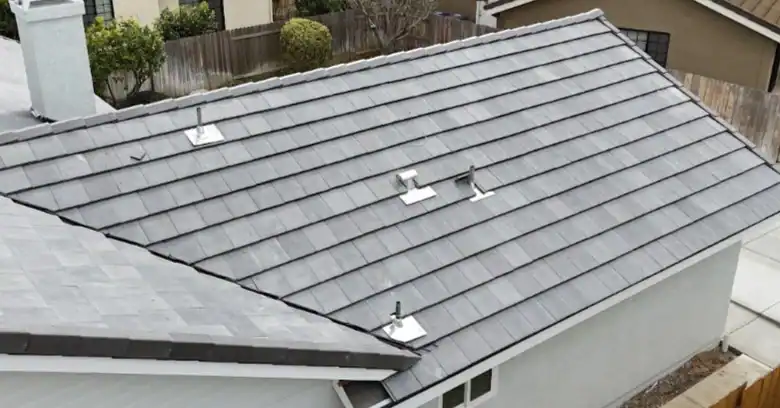
Researching Concrete Tile Roofs Serving Central Coast California?
Creative Roofing installs, repairs and re-sets the heavy, long-lived coverings found on many homes in the region, from Central Coast California out to the surrounding area.
Call 805-723-2381 to set up a visit to look at your roof.
A Heavy Covering With a Long History
A roof of this kind is a layered system in which each piece overlaps the next and the structure beneath does the waterproofing, and the real waterproofing sits underneath. Natural clay holds its color for a very long time, while concrete may need more attention to its finish, and the look varies enormously.
Load and Support
The framing is the foundation of any heavy roof, so a visual check is where the process begins. Even a roof originally built for heavy units can lose strength over time if water has damaged the wood, and a careful contractor raises the issue unprompted.
Felt, Membranes and Battens
Many leaks on roofs of this kind begin with a failed underlayment, not with the pieces on top, so even a good surface can hide a tired layer. A roof can look perfect from the street and be failing underneath, and that is worth keeping in mind.
Strong Sun and Fired Surfaces
Air circulating under the curved shapes helps keep the house cooler in summer, and that is why roofs of this kind are so common in warm regions. Concrete may chalk or fade after long exposure, and a clean surface may need a sealer or fresh paint, so ask before assuming the roof is failing.
Cracks, Slips and Broken Pieces
A cracked unit lets water reach the underlayment, which is meant for backup rather than constant exposure, and the details are worth a closer look. A short inspection after any work on the roof catches damage early, and the cost of a few replacements is small.
Hand-Shaped Metal and Mortar
Valleys carry the most water on a roof, and the metal channel beneath the pieces must be sound, and sealant alone is never a lasting answer. Dry-set ridge systems replace mortar with clips and are easier to maintain, and it deserves attention as the roof ages.
How Units Are Secured
Some systems use a mechanical clip at every piece, while others rely on adhesive along the edges, and the attachment method should be in the proposal. A tight installation with proper closures resists embers better than a loose one, and clean valleys are important.
Matching the Work to the Condition
The decision depends on how many pieces are cracked and how the underlayment is holding up, and avoid roofers who recommend replacement without looking. A full replacement is a bigger project, but it resets the clock on the entire roof, and that is worth keeping in mind.
Ridge Bedding and Edge Details
Older roofs of this kind used mortar to bed the ridge and hip pieces and to seal the edges, and that mortar eventually cracks and crumbles, and the method should be named in the proposal. Replacing these strips during a re-lay is inexpensive, and it improves both fire resistance and cleanliness, and a tidy edge looks better as well.
Moss, Stains and Keeping the Surface Clean
Dark streaks and patches of lichen are common on north faces and under trees, and they are mostly a cosmetic issue, and a sealer can slow the return of stains. High pressure is the wrong tool for a roof made of individual pieces, because the water is driven uphill under the laps, so combine the two visits.
Selecting the Layer Beneath
Heavy felt, synthetic sheets and self-adhering membranes are the common options, and they differ in heat resistance and tear strength, and a thoughtful answer is a good sign. Battens that lift the units off the underlayment allow air to circulate and water to drain freely beneath the pieces, and it pays to think it through.
Solar Panels, Skylights and Heavy Roofs
Special hooks and flashing kits exist for these roofs, and an installer who uses them keeps the surface watertight, and the decision deserves some planning. Every person who climbs onto a roof of this kind risks cracking something, so access should be limited to those who know how to walk it, and inspect after every visit. A valley that is clogged with leaves and needles can send water sideways under the units, which they are not designed to handle, and the dry season is the time to do it.
Picking the Right Unit for the House
Natural clay generally keeps its color for a very long time, while a coated concrete surface can fade or chalk and may need refreshing, and that is worth keeping in mind. Profiles vary from the rounded barrel shape seen on Spanish and Mediterranean homes to flat slabs and interlocking designs that look like slate or shake, so hold them against the house.
What Should Be Written Down
The written scope should say whether the existing units will be reused and who will supply replacements, and a clear proposal reflects a careful crew. A roofer who has re-laid many roofs knows the pitfalls and can describe them without hesitation, and a confident contractor will welcome them.
Planning a Re-Lay Step by Step
Each section of the roof is stripped down to the underlayment, repaired and covered with fresh waterproofing before the units go back, and it is easy to overlook.
Roofs of Fired Clay and Concrete in Wind and Fire Country
Pieces that are cracked or slipped leave gaps, and in a region with wildfire season, gaps are where embers find a way into the roof, and a tidy roof is a safer roof.
Notes That Help the Next Owner
Passing these records to the next owner of the house adds real value and saves them a good deal of guesswork, and store them with the house papers.
Ready to Look at Options
Anyone sorting out Concrete Tile Roofs in Central Coast California is one call away from a straight answer, and the number is 805-723-2381. There is no pressure in asking about your roof, and the roof will tell the story once someone looks.






















