
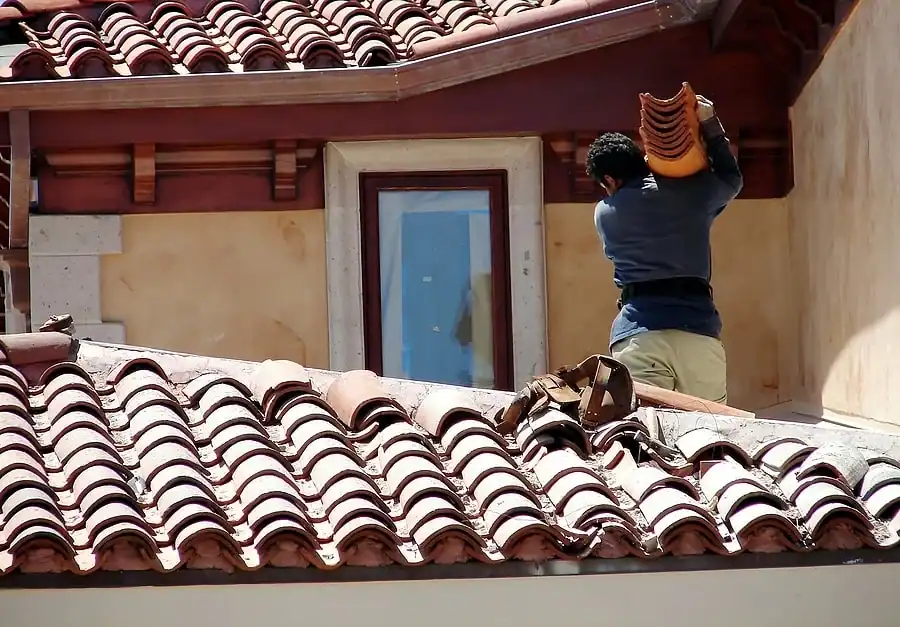
Considering Concrete Tile Roofer Contractors Serving Arroyo Grande California?
Creative Roofing works with clay and concrete roofing units, from a single cracked piece to a full re-lay, from Arroyo Grande California out to the surrounding area.
Phone 805-723-2381 and ask about the roof over your house.
How These Roofs Are Put Together
Every piece is shaped to channel water downhill and over the piece below, so the layers below matter more than most people expect. Natural clay holds its color for a very long time, while concrete may need more attention to its finish, and the style often follows the architecture of the house.
Heavy Roofs Need a Sound Structure
The weight of the roof is the first question to settle before changing from lighter material, and a little care goes a long way. Rotted rafters or sheathing must be repaired before heavy material goes back on, and a casual answer should give you pause.
The Hidden Layer That Does the Work
Beneath the visible surface lies a waterproof membrane that does the hard work, and it is easy to overlook. The felt paper on older roofs becomes brittle and breaks when the pieces are lifted, and high-temperature types are worth the small extra cost.
Why Tile Suits Hot Weather
Long dry summers are easy on the material itself, though the layers underneath age in the heat, and the color stays true for decades. Efflorescence, a white powdery bloom, can show on concrete units and is mostly cosmetic, so ask before assuming the roof is failing.
Walking on a Fragile Roof
Broken pieces are the most common problem on a roof of this kind, and they usually come from foot traffic, and replacing a broken piece is a quick job. Satellite installers, painters and gutter cleaners are common causes of damage, and keep spare pieces from the original installation.
Where Pieces Meet Walls and Each Other
Details where the pieces meet something else are the places most likely to leak, and a hurried job shows up in the first heavy rain. Ridge and hip pieces are bedded in mortar or fastened with mechanical systems, and the old mortar often fails before the roof does, so look for loose or missing cap pieces.
Wind, Fire and the Fastening Question
Nails, clips and foam adhesive are the common ways to secure units to the roof, and the attachment method should be in the proposal. Embers do not ignite the pieces, though they can still collect in gaps and under the edges, and the pieces themselves are only part of the answer.
Options for a Tired Roof
Many of these roofs are restored two or three times over the life of the building, and avoid roofers who recommend replacement without looking. Replacing the whole roof is the right call when the pieces themselves are failing, the framing is damaged or the style no longer suits the house, and the new material can be a different type.
Adhesives, Clips and Mortar
Older roofs of this kind used mortar to bed the ridge and hip pieces and to seal the edges, and that mortar eventually cracks and crumbles, and be wary of mortar alone on a ridge. A missing eave closure is easy to spot from the ground as a dark gap along the lower edge of the roof, so these small parts deserve attention.
Looking After the Appearance
Surface growth tends to be slower in dry summers, though shaded areas may still collect some, and the result can be striking. A professional cleaner will explain the method and protect the plants and walls below, and the roof will look and perform better.
Underlayment Choices and Upgrades
Basic and premium underlayment differ little in cost when set against the cost of the roof, and that is worth keeping in mind. Combining a sturdy base layer with extra protection at critical points gives a roof two lines of defense, and good detailing here pays off for decades.
Planning Equipment Around the Units
Mounting an array on a roof of this type means lifting or cutting units around every bracket and sealing the opening beneath, and the answer should be written down. Telling every visitor about the fragility of the surface prevents a surprising amount of damage, so make it a habit to ask about the roof. Clearing debris from valleys before the rainy season is the simplest way to protect the underlayment beneath them, and a ladder and a soft broom are often all you need.
How the Two Kinds Differ
Natural clay generally keeps its color for a very long time, while a coated concrete surface can fade or chalk and may need refreshing, and that is worth keeping in mind. Barrel tiles are laid in alternating channels and caps, while interlocking units are single pieces that lock together along their edges, and think about the neighbors as well.
What Should Be Written Down
Look for details on the underlayment type, the valley metal and the ridge system, and a clear proposal reflects a careful crew. A roofer who has re-laid many roofs knows the pitfalls and can describe them without hesitation, and a confident contractor will welcome them.
Planning a Re-Lay Step by Step
A re-lay begins with the units being lifted in sections, stacked carefully and sorted so that sound pieces are kept and broken ones are set aside for replacement, and it is easy to overlook.
What to Do Before Summer Ends
Trimming branches back from the roof and keeping a clear margin around the house reduces the risk to the roof and the building, and a roofer can check them quickly.
Records, Photographs and Spare Pieces
A note of the underlayment type, the flashing metal and the fastening method helps any roofer who works on the roof later, and store them with the house papers.
Next Steps for Your Roof
People researching Concrete Tile Roofer Contractors in Arroyo Grande California are welcome to call with questions, so dial 805-723-2381 when it suits you. Whether the roof is leaking now or you are planning ahead, an early conversation keeps your options open, and the roof will tell the story once someone looks.
Verified

Verified
Verified
Verified
Verified






















