
Weighing BUR Roofing Around Sacramento California?
Creative Roofing knows how a roof without a pitch is built, why it leaks and how to make it last, serving owners in Sacramento California and beyond.
Phone 805-723-2381 to arrange a visit to look at the roof.
Why Flat Roofs Need Special Care
Where a pitched roof sheds rain in seconds, a level roof holds it for hours or days, and the materials and details are chosen for it. Because water stays on the surface, small flaws that a pitched roof would forgive become leaks on a flat one, and ask what systems they install most.
The Systems You Will Hear About
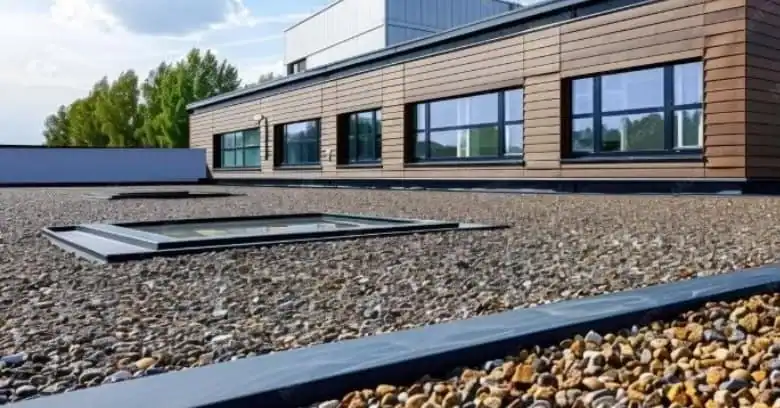
The seams on thermoplastic sheets are fused rather than glued, which makes them strong, and repairs are made by welding on a patch. A rubber roof is flexible and handles movement well, though seams and flashings need care, and the details are worth a closer look. Gravel surfacing on a built-up roof protects the layers from sun and foot traffic, and the gravel hides the condition of the membrane.
Following the Water to Its Source
The open field of a membrane is usually the toughest part of the whole system, and shortcuts miss the trouble. Parapet caps and copings protect the top of the wall and must be sound, and redoing sealant is routine upkeep.
Scuppers, Drains and Slope
Water that does not drain adds weight, breeds algae and ages the surface faster, and a clogged outlet can overload a roof. A new roof is the best time to correct drainage problems for good, and it extends the life of the whole system.
Strong Sun on a Flat Surface
A flat roof faces the sky all day, and the sun heats it far more than a steep roof ever experiences, and a reflective finish lowers that stress. A coating adds a protective layer and can seal small cracks and seams, and the benefit depends on the existing roof.
Anything That Pokes Through or Sits on Top
These openings are the most common leak sources, so they get the most attention in an inspection, and it pays to think it through. Tools, ladders and dropped objects can cut a sheet, so care is required, and a little care goes a long way.
Choosing How Far to Go
A skilled roofer can patch a membrane so that the repair outlasts the surrounding area, and photographs help. Adding a new membrane over an existing one is possible in some cases and saves removal costs, and the survey is worth the small cost. Replacing wet insulation restores the performance of the roof and the comfort of the rooms below, and that is worth keeping in mind.
Patios, Garages and Modern Homes
Residential low-slope roofs turn up over additions, covered patios, carports and contemporary houses designed with clean horizontal lines, and a shingle crew may not be the right choice. Leaks that appear in the room next to an addition often trace back to this single joint, so look at the wall as well as the roof. A deck surface over a roof has to be lifted to repair the layer beneath, which makes prevention far cheaper than correction, and avoid fastening anything through the membrane.
Heat Gain and Thermal Layers
Because there is often little or no open space under the deck, heat from a hot summer day passes quickly into the rooms below unless the roof is well insulated, so ask what insulation is part of the proposal. Water that gets into the insulation layer spreads sideways, so the damp area can be much larger than the visible stain on the ceiling, and be skeptical of a bid that skips it.
Keeping a Flat Roof in Shape Through the Year
The best time to look at a flat roof is at the end of the dry season, when leaves and debris have piled up and the rains are about to test every drain, and a small repair now is nearly always cheaper. After a heavy storm or a spell of high wind, a quick look from a ladder can show whether anything has shifted, lifted or collected on the surface, and acting quickly limits the damage.
Wind, Edges and Fastening on a Level Roof
Gusts lift a flat roof from its edges and corners, where the pressure is highest, and a membrane that is not firmly attached there can peel back like the lid of a can, and a little care goes a long way. A ballasted roof needs a structure strong enough to carry the added load, which is a point to confirm before choosing the system, so inspect the outlets after any disturbance. Crowded rooftops with many pipes and units are slow to roof, because every obstacle needs its own flashing and sealing, and it is easy to overlook.
Curbs, Collars and Boots
Skylights and roof hatches sit on raised curbs that are flashed into the membrane, and the quality of that flashing decides whether they leak, so ask how every opening will be handled. Flexible parts crack in strong sun over a few seasons, which is why penetrations leak long before the membrane does, and a tidy roof is easier to maintain. Keeping every outlet clear and in good repair is the most important single habit of flat roof care, and clear them after storms.
Reading Competing Bids
A bid that only says new flat roof does not tell you what you are buying, and it lets you compare two bids fairly. The answers tell you more than a brochure or a website ever could, and notice who answers plainly.
Scheduling and Living With a Flat Roof Project
Removing items from the roof, such as furniture and planters, saves time and prevents damage on the day the work begins, and a short conversation beforehand covers the details.
What People Wonder When the Roof Is Flat
Questions about a level roof are best answered by someone who has looked at it in person, so do not hesitate to ask.
Ready to Look at Options
Those comparing BUR Roofing in Sacramento California can reach us by phone, and the number is 805-723-2381. Calling before a problem becomes urgent makes it easier to compare options and schedules, and we are glad to help you sort it out.
Verified

Verified
Verified
Verified
Verified






















