
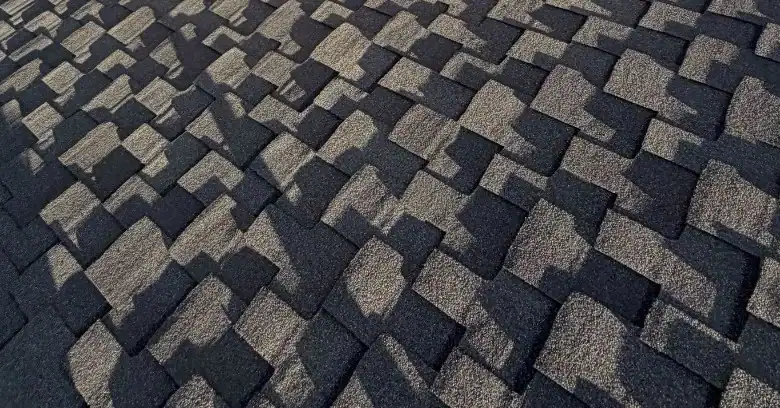
Choosing Architectural Shingle Roofing in Lompoc California?
Creative Roofing lays asphalt, architectural and designer shingles over carefully prepared decks, for homes in Lompoc California and the towns around it.
Phone 805-723-2381 and ask about a shingle roof for your house.
The Anatomy of an Asphalt Shingle
Most roofs on houses here wear shingles built from a glass-fiber core with an asphalt skin, so the whole shingle depends on all of them. Stone granules reflect part of the sun and keep the asphalt from baking, so a handful of grit in a downspout tells a story.
Shingle Grades Explained
The basic strip shingle is a simple product with a simple appearance, and the saving is real but so is the shorter life. Laminated shingles are thicker, heavier and more dimensional than flat strip shingles, and the difference shows in the finished roof. Premium and luxury lines go further, with thicker laminates, deeper shadow lines and designer shapes, so the roof feels more substantial.
Heat Is the Slow Enemy
Hot weather and strong sun dry the oils in asphalt, leaving the surface stiff and brittle, and that is worth keeping in mind. Edges that lift, corners that curl and surfaces that crack all point to age, and it pays to think it through.
Color, Reflectivity and Cooling
Shingles in dark shades absorb more heat, and they can run noticeably hotter on a summer afternoon, so consider how the house sits in the sun. Reflective granules can bring a dark color closer to the performance of a light one, and the actual benefit depends on the house.
Nails, Courses and Starter Strips
The nailing line printed on the shingle marks where fasteners must go for the best grip, so ask how many nails go into each shingle. The row at the eave is the most exposed to wind and water, which is why it gets special treatment, and crooked rows are a warning. Ridge caps finish the roof where two slopes meet and shed water over the crest, and a sloppy ridge is a common weak spot.
Wind, Seasonal Gusts and Sealing
The adhesive bond is what keeps tabs flat against the roof in a strong wind, and a little care goes a long way. Wind rarely harms a well-sealed roof, but it finds every weak spot on an old one, and a roofer can reseal tabs with a dab of roofing cement.
Air Movement Under the Deck
A hot attic cooks the shingles from underneath, and the damage adds to what the sun does on top, and the eaves and the ridge are where the vents belong. More vents is not better, and mixing types can short-circuit the flow, and fixing ventilation is far easier during a re-roof.
Flashing, Valleys and Underlayment
Modern synthetic underlayments resist tearing and last better in strong sun, and it pays to think it through. Valley flashing has to be formed correctly and sealed well, or water finds a way in, and a careful crew takes extra time at the details.
Is It Time for a New Roof
A roof that sheds grit, lifts at the edges and shows dark patches is reaching the end of its life, and early action keeps choices open. Isolated problems from a branch or a loose tab respond well to a simple repair, and it is easy to overlook. Matching old shingles is difficult, so large repairs often look patchy, and choose the new shingles with care.
The Deck Decides What Happens Next
A complete tear-off lets the roofer inspect each sheet of decking and replace any that has been stained, softened or split, so the plan should allow for repairs to the wood. Local rules often limit the number of layers a roof may carry, and many roofers prefer a clean start in any case, and a little care goes a long way. Sheathing that crumbles or feels spongy underfoot must be replaced before shingles can hold, and the cost of a few sheets is rarely large.
Cleanup, Nails and Protecting the Property
Planning where the dumpster, the ladders and the materials will go avoids damage to lawns, driveways and sprinklers, and move vehicles and furniture the night before. A professional crew checks the ground more than once, including the gutters, where granules and nails often collect, and it is reasonable to inspect it together. Gutters should be cleared of granules and debris once the new roof is on, since the first rains will wash any leftovers into the downspouts, so make it part of the routine.
Choosing the Right Season for Shingles
A roof installed in warm weather bonds sooner than one finished in cool, damp conditions, and that early bond helps in wind, and the busiest months fill up quickly. Shade, water and early starts are the usual ways of coping with the heat on a dark roof, and the details are worth a closer look.
Working Around Things That Share the Roof
Roofers work around fixed obstacles all the time, but each one adds time and adds a place where water might enter, so list everything on the roof when you ask for proposals. Mounting brackets pierce the roof, and the seals around them age on the same schedule as the shingles beneath, and that is worth keeping in mind.
Blending New Shingles Into an Older Roof
Manufacturers change colors and blends over time, so an exact match for a discontinued shingle may simply not exist anymore, so ask the roofer what to expect.
The Edge Details That Finish a Shingle Roof
A drip edge along the eave and the rake guides water into the gutter and keeps it from running behind the fascia, where it would rot the wood, and a little care goes a long way.
What to Look for in Writing
A proposal that only says new shingles leaves out the details that matter, and the details are worth a closer look. Ask about the schedule and how the roof will be covered if rain is forecast, and it is easy to overlook.
Talk to Us About a Shingle Roof
People researching Architectural Shingle Roofing in Lompoc California are welcome to call with questions, so use 805-723-2381 to set up the next step. Even a quick call can clear up questions about shingle grades, colors and timing, and that is worth keeping in mind.
Verified

Verified
Verified
Verified
Verified






















