
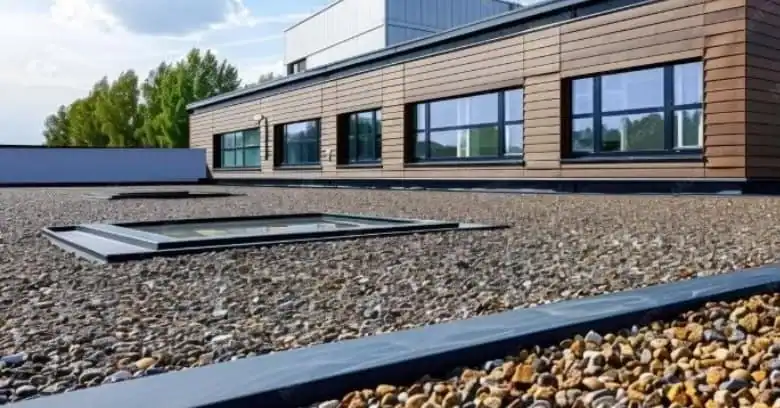
Weighing Built Up Roofing in Morro Bay California?
Creative Roofing installs membranes, coatings and built-up layers on roofs that barely shed water on their own, across Morro Bay California and nearby.
Dial 805-723-2381 and describe what you are seeing up there.
How a Flat Roof Differs From a Pitched One
Low-slope roofs rely on a continuous waterproof skin because gravity does little to clear the surface, and drainage is the central question. A pinhole in a membrane or a gap in a seam lets in water that sits and keeps seeping, and look at examples of their finished work.
The Systems You Will Hear About
TPO and PVC are single-ply sheets that are welded at the seams with hot air, creating a continuous waterproof surface, and a little care goes a long way. Rubber membranes are black or white, and the seams are joined with tapes or adhesives, so periodic inspections are wise. Modified bitumen sheets are rolled out and torched or adhered in overlapping courses for a durable surface, so the structure has to carry it.
Details That Fail First
A careful look at the details finds most of what is wrong, and shortcuts miss the trouble. The edges around the perimeter take the most punishment from sun and wind, and redoing sealant is routine upkeep.
Scuppers, Drains and Slope
Ponding is the condition of standing water on a roof, and it accelerates wear on any membrane, and a clogged outlet can overload a roof. Fixing the cause of ponding is better than repeatedly patching its effects, and the improvement is permanent.
Sun, Heat and Reflective Surfaces
A flat roof faces the sky all day, and the sun heats it far more than a steep roof ever experiences, and the movement stresses seams and fasteners. A coating adds a protective layer and can seal small cracks and seams, and the benefit depends on the existing roof.
Foot Traffic, Equipment and Penetrations
Boots, pitch pockets and flashing collars around pipes must be sound and sealed, so these spots deserve regular checks. A roof used as a patio or deck needs a protective layer or pavers, and a plan for traffic keeps the roof sound.
Choosing How Far to Go
Repairing a small area is practical when the surrounding material is still healthy, and the details are worth a closer look. A restoration coat is a good choice for a roof that is dry beneath and sound in the field, and wet insulation rules out a quick fix. Removing the old layers lets the deck be inspected and any damaged wood replaced, and ask about drainage improvements in particular.
Level Roofs at Home
Owners of older homes often discover that an addition from a previous decade was finished with a membrane that has long since worn out, and a shingle crew may not be the right choice. A bead of caulk across that joint might hold for a season, but a proper counterflashing is the lasting answer, and describe where the stain appears. Roof decks and patios built over living space need a waterproofing layer under the finished surface, and a failure there can be expensive to reach, and the details are worth a closer look.
Insulation, Slope and Comfort Under a Level Roof
Because there is often little or no open space under the deck, heat from a hot summer day passes quickly into the rooms below unless the roof is well insulated, and the combination is worth planning. Water that gets into the insulation layer spreads sideways, so the damp area can be much larger than the visible stain on the ceiling, and the map is a useful record.
Seasonal Checks for a Level Roof
A check in early autumn catches clogged drains, lifted seams and cracked sealant before the first storm tests them, and call a roofer if anything looks suspicious. A stain on a ceiling after a storm is a clear signal to have the roof inspected before the next one arrives, and acting quickly limits the damage.
Wind, Edges and Fastening on a Level Roof
Edge metal, copings and terminations have to be fastened to a set pattern and sealed at the joints, or wind will find the gap and work it open, and a small problem there grows quickly. Ballasted roofs hold the membrane down with a layer of smooth stone or pavers instead of glue or fasteners, and the weight is part of the design, and the stone should be kept out of the drains. Surprises about extra details are the most common cause of disagreement over flat roof bids, and a thorough walk-through prevents them.
Curbs, Collars and Boots
A curb lifts the opening above the level of standing water, which is the main reason it exists, and the membrane must climb it and be sealed at the top, and no skylight should be roofed over without a plan. Plumbing vents, conduits and exhaust ducts pass through the membrane and need boots, collars or pitch pockets that suit the material, and a tidy roof is easier to maintain. A drain bowl that is sealed to the membrane with a clamping ring and sealant keeps water from creeping under the sheet at the outlet, and a little care goes a long way.
What the Paperwork Should Say
Specific wording is your best protection against disputes, and the details are worth a closer look. The answers tell you more than a brochure or a website ever could, and notes help you compare.
What to Expect on the Days of the Work
Removing items from the roof, such as furniture and planters, saves time and prevents damage on the day the work begins, and tell the crew about pets and schedules.
Questions Owners Often Ask About Level Roofs
The idea that level roofs always give trouble comes from poorly detailed examples, because careful work on seams and drains makes a real difference, and bring photographs if you have them.
Next Steps for Your Roof
Owners weighing Built Up Roofing in Morro Bay California can begin by describing the building and the roof they have, so dial 805-723-2381 when it suits you. Planning ahead usually leads to better choices than reacting to an emergency, so reach out whenever you are ready.
Verified

Verified
Verified
Verified
Verified






















