
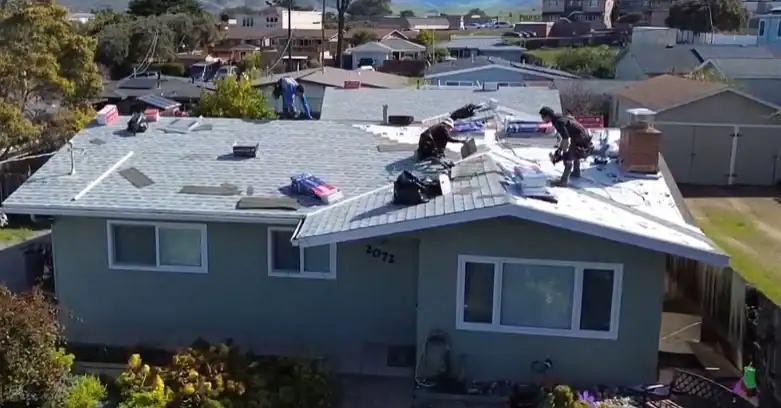
Thinking About Roofing Contractors Serving Central Coast California?
Creative Roofing stays with a roofing project from the first walk-around to the final check, working in Central Coast California and nearby.
Call 805-723-2381 to set up a time for someone to look at the roof.
The First Step in a Roofing Project
The first visit is about gathering facts rather than picking a product, and the notes from that visit steer every later choice. Signs of wear on top often point to a moisture problem underneath, and each one goes into the notes.
Sun and heat age a roof in ways that rain alone never would, and a little care goes a long way.
Deciding What the Roof Needs
The right answer depends on how much sound material is left on the house, and an honest roofer will say which one applies. Ask to see the problem areas, either in photographs or from the ladder, so do not feel awkward about asking.
When the decking underneath is damaged, the scope of the job grows, so a note on how it will be handled saves arguments later.
Material Decisions
Asphalt shingles, concrete or clay tile and standing seam metal are the coverings most often put on homes here, and the pitch of the roof narrows the field quickly. Lighter colors reflect more of the summer sun, while darker ones soak it up, and a full-size piece seen outdoors beats a catalog picture.
The Calendar and the Forecast
For most of the year the weather here lets a roof go on with few interruptions, and temporary dry-in layers keep the house safe overnight. The temperature on the roof can run well above the temperature in the shade, so an early knock on the door is nothing to worry about.
Tear-Off and Preparation
Tear-off gives the first real view of the structure under the roof, and debris goes into a bin or trailer rather than onto the lawn. Sound wood is the base everything else depends on, so this is not the place to save time.
Protection Under the Covering
Beneath every roof is a membrane that catches whatever the surface lets through, and it is easy to overlook. The house is safest once the second layer is complete, and that is worth keeping in mind.
Small Metal Pieces, Large Consequences
Flashing is the thin metal that keeps water out where the roof meets something else, and it pays to think it through. The seal around a vent pipe rarely lasts as long as the surface around it, and a new roof should not depend on a seal that is already tired.
Ventilation in a Warm Climate
Attic heat is behind many worn roofs and many large cooling bills, so vents near the ridge give the hot air a way out. More vents are not always better, because intake and exhaust have to be balanced, and it is easy to overlook.
Finishing the Job
Once the roofing is done, the property has to be put back in order, and a magnetic sweep picks up stray nails. Keeping a short record of the materials used helps with later maintenance, and it makes future repairs and sales smoother.
Local Rules and Paper Trails
Municipal offices have their own expectations for roof work, and the answer should be clear from the start. Fire safety rules in some neighborhoods affect which coverings are allowed, and the proposal should reflect them. A proposal that names its materials and steps is easier to compare, because what is written down is what everyone remembers.
Keeping the Property Safe
A roofing job puts a lot of weight, noise and debris around a house, and it is reasonable to ask how this will be done. Children and animals should stay clear of the yard while the work is underway, so tell the crew about anything fragile or valuable. Attic contents are best covered or moved before the work starts, and a sheet over stored boxes keeps the grit off.
Disruption and How to Manage It
A simple roof may go quickly while a complicated one takes longer, and plan on some slack for the weather. Roof work is loud, and the street will hear it, and most people are tolerant when they know what to expect. Pets are often the ones most bothered by the commotion, and the noise settles once the old roof is gone.
A Short List for Comparing Proposals
Ask what will be done with the old material and how the deck will be handled, and anything left vague deserves a follow-up. Ask for the materials by name and manufacturer so you can look them up, and a good roofer will be glad you asked. Surprises are normal, and a process for them is a sign of a well-run job, and settle it before the first day.
Maintenance After the Job
Checking the roof twice a year takes only a few minutes, and binoculars make the job easy. Trim branches that touch or hang over the roof, so it is worth doing before summer ends. Missing pieces, lifted edges or a new stain are all reasons to have someone look, and the earlier the better.
Spring, Summer or Fall
Many homeowners wait until a leak appears before they think about a roof, and calling in spring avoids the rush. Early fall is popular because the weather is still dry and the heat has eased, and the best season is often the one that fits your calendar.
Checking the Space Beneath the Deck
Rust on the points of roofing nails and dark patches on the sheathing are signs that moisture has been present for some time, and it is easy to overlook.
Getting Started in Central Coast California
Questions about Roofing Contractors in Central Coast California begin with a short phone call, with 805-723-2381 ready whenever you are. Whether the job is a small section or a whole house, the questions are much the same, and that is worth keeping in mind. The decision often feels bigger before the call than it turns out to be, and the next step becomes obvious.






















