
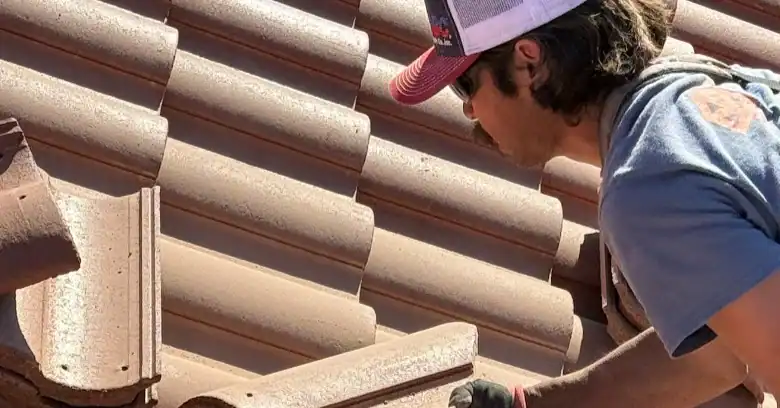
Researching Concrete Tile Roofing Throughout Orcutt California?
Creative Roofing keeps barrel, flat and interlocking roofs weathertight from the deck up, from Orcutt California out to the surrounding area.
Reach us at 805-723-2381 to talk through what a tile roof needs.
Clay and Concrete Units in Plain Terms
Fired clay and molded concrete are the two materials used for the heavy, durable coverings found across the region, and that is worth keeping in mind. Each type comes in profiles from rounded barrels to flat slabs and interlocking shapes, and the look varies enormously.
Checking the Rafters Before Choosing
The framing is the foundation of any heavy roof, and an engineer may be involved in a conversion. A house that was built for shingles may not be safe under a full load of concrete, and a careful contractor raises the issue unprompted.
What Sits Beneath the Pieces
The membrane is out of sight, which is why it is easy to forget, and it ages in the heat trapped under the pieces. Replacing the underlayment when the units are removed gives the roof a fresh start, and that is worth keeping in mind.
Strong Sun and Fired Surfaces
Long dry summers are easy on the material itself, though the layers underneath age in the heat, and that is why roofs of this kind are so common in warm regions. Moss and lichen are less of a problem in dry summers, though shaded areas may collect some, so ask before assuming the roof is failing.
Walking on a Fragile Roof
A piece cracks when someone steps on the wrong spot, and many are broken by workers on the roof for other reasons, and the damage may not show from the ground. Asking other trades to avoid walking on the roof prevents a lot of broken pieces, and it is easy to overlook.
Where Pieces Meet Walls and Each Other
Valleys carry the most water on a roof, and the metal channel beneath the pieces must be sound, and a hurried job shows up in the first heavy rain. Dry-set ridge systems replace mortar with clips and are easier to maintain, so look for loose or missing cap pieces.
Seasonal Gusts and Embers
Nails, clips and foam adhesive are the common ways to secure units to the roof, so ask how the pieces will be held down. Bird stops and closures at the eave seal the openings where embers might enter, so ask how gaps will be kept closed.
Repair, Re-Lay or Replace
The pieces on an old roof may be fine for many more seasons even when the underlayment has given out, and it is easy to overlook. Spalling concrete, crumbling clay and widespread cracks are signs that the surface is at its end, so it is a time to consider all the options.
How Units Are Bedded and Secured
Older roofs of this kind used mortar to bed the ridge and hip pieces and to seal the edges, and that mortar eventually cracks and crumbles, so ask how the pieces will be held in place. Replacing these strips during a re-lay is inexpensive, and it improves both fire resistance and cleanliness, and a good roofer checks them without being asked.
Looking After the Appearance
Dark streaks and patches of lichen are common on north faces and under trees, and they are mostly a cosmetic issue, so consider it before deciding to replace. Soft washing with a mild solution and a gentle rinse removes growth without harming the surface, and a post-cleaning inspection is a good idea.
Underlayment Choices and Upgrades
Basic and premium underlayment differ little in cost when set against the cost of the roof, and why. Combining a sturdy base layer with extra protection at critical points gives a roof two lines of defense, so look for it in the proposal.
Solar Panels, Skylights and Heavy Roofs
Mounting an array on a roof of this type means lifting or cutting units around every bracket and sealing the opening beneath, and the answer should be written down. Satellite dishes, antennas and holiday lights are small additions that can break units if the installer is careless or the fasteners are driven in the wrong place, and replacing a unit is far cheaper than repairing the leak. A valley that is clogged with leaves and needles can send water sideways under the units, which they are not designed to handle, and it is easy to overlook.
Choosing Between Clay and Concrete
Clay units are fired at high temperature, and their color runs all the way through, so a chip or scratch does not show a different shade beneath, and that is worth keeping in mind. Samples of full-size pieces on a roof model show more than a catalog photograph ever can, and think about the neighbors as well.
Getting Specific About a Heavy Roof
The written scope should say whether the existing units will be reused and who will supply replacements, and compare two bids line by line. A roofer who has re-laid many roofs knows the pitfalls and can describe them without hesitation, and trust the tone of the conversation.
Stages of a Careful Re-Lay
Pieces are removed row by row from the top down, and the crew takes care to avoid cracking more units than the roof already has, and the whole process takes patience.
Seasonal Readiness for a Tile Roof
Closure strips at the eaves and the ridge keep embers and animals out of the space beneath the units, and repair broken pieces before the winds arrive.
Notes That Help the Next Owner
Passing these records to the next owner of the house adds real value and saves them a good deal of guesswork, and it costs almost nothing to keep them.
Ready to Look at Options
A conversation about Concrete Tile Roofing in Orcutt California usually starts with the age and condition of the roof, and 805-723-2381 reaches someone who can help. Whether the roof is leaking now or you are planning ahead, an early conversation keeps your options open, and the first step is just a phone call.
Verified

Verified
Verified
Verified
Verified






















