
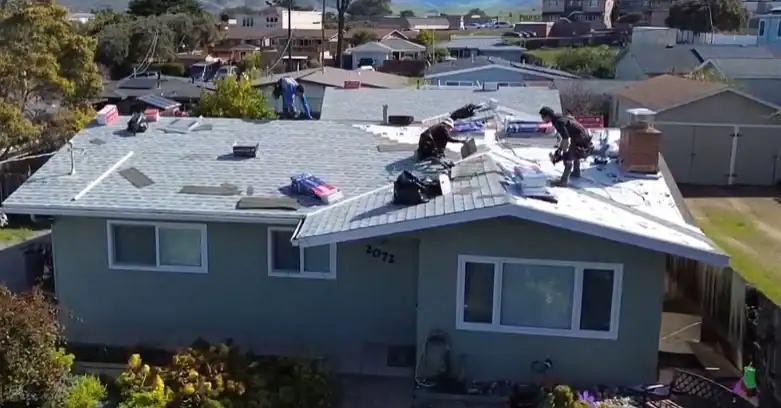
Weighing Roofing Inspections Around Santa Barbara California?
Creative Roofing stays with a roofing project from the first walk-around to the final check, working in Santa Barbara California and nearby.
Ring 805-723-2381 to start a conversation about the roof over your head.
Where a Roofing Job Begins
A roofing project begins with a close look at the surface, the edges and the pipes, and a rushed visit tends to cost more than it saves. The roofer checks the surface, the flashing, the vents and the gutter line, then the attic if it can be reached, and the findings are worth asking to see.
Heat is the quiet cause behind much of the wear seen on roofs here, and the sunniest side is usually the oldest-looking side.
Choosing How Far to Go
Whether to fix or replace comes down to the condition of the layers beneath the surface, so a clear explanation matters more than a quick quote. Ask to see the problem areas, either in photographs or from the ladder, because you are the one living under the result.
Weak spots in the deck only show themselves once the old roof is off, and it helps to know that before the work begins.
Choosing Materials for Your Home
Homeowners usually end up comparing shingles, tile and metal panels, and the style of the neighborhood often plays a part. Sun exposure makes color a practical question as well as a visual one, so do not settle the question from a photograph.
Planning for Rain and Heat
For most of the year the weather here lets a roof go on with few interruptions, so exposed areas get covered at the end of each day. Crews often start early in summer to get ahead of the hottest hours, and the plan bends to the heat rather than the other way around.
Getting to a Clean Surface
Tear-off gives the first real view of the structure under the roof, and magnets and rakes pick up the nails that fall. Repairs to the deck happen now, before anything new is installed, so this is not the place to save time.
What Goes Down First
The surface you see is only the outer layer of a roof, and valleys, eaves and penetrations get extra layers. Reaching this stage quickly is a sensible way to protect the interior, and rows are laid from the eave upward, each lapping the last.
Details That Decide Whether It Leaks
Flashing is the thin metal that keeps water out where the roof meets something else, since worn metal under new material becomes the weak link. Vent boots and pipe collars are rubber or lead pieces that wear out before the roof does, and putting in new boots costs little when the roof is already open.
Intake and Exhaust
Attic heat is behind many worn roofs and many large cooling bills, and the details are worth a closer look. More vents are not always better, because intake and exhaust have to be balanced, so ask how the attic will breathe once the work is done.
Cleanup and the Final Walk-Through
Final cleanup means more than a quick sweep, and that is part of the work, not an extra. Looking at the ridge, the valleys and the flashing with the roofer present is time well spent, and it only takes a few minutes.
Local Rules and Paper Trails
Rules about reroofing differ from one city to the next, so it is fair to ask who pulls the permit. Wildfire concerns have changed what many local codes ask of a roof, so ask how the plan meets the rules for your street. Written proposals should describe the materials, the scope and the cleanup in plain words, because what is written down is what everyone remembers.
What Happens to the Yard
A roofing job puts a lot of weight, noise and debris around a house, so tarps and plywood go down where debris will land. The area under the eaves is the one to avoid, so tell the crew about anything fragile or valuable. The attic gets dusty during tear-off, and anything stored there will notice, so it is wise to take down fragile pictures first.
The Few Days of Commotion
Timing depends on the size of the roof, the complexity of the layout and the covering chosen, and nobody can promise a date through a rain delay. A quick word with the people next door can head off complaints, and most people are tolerant when they know what to expect. Remote workers may want a quiet spot elsewhere for a day or two, and a plan for the loud days makes them easier.
Getting Clear Before the Work Begins
Find out who will be on the roof and who will be in charge of the job, and it pays to think it through. The product line matters as much as the type of covering, and it should be written on the proposal. A change in scope should be written down and approved before the work continues, and it is better to know in advance.
Keeping a Roof in Good Shape
Checking the roof twice a year takes only a few minutes, and binoculars make the job easy. Sweeping leaves off the roof and out of valleys prevents trouble, and that is worth keeping in mind. Missing pieces, lifted edges or a new stain are all reasons to have someone look, and the earlier the better.
Timing a Roof Project Through the Year
A roof replaced on purpose goes better than one replaced in a panic, so a few weeks of lead time is common. Winter work happens too, with crews watching the forecast closely, so do not feel the choice is locked in.
Attic Findings That Change the Plan
Looking at the roof from inside the attic before the work begins reveals water stains, damp insulation and daylight where none should enter, and it is easy to overlook.
Next Steps for Your Roofing Project
Anyone researching Roofing Inspections in Santa Barbara California is one call away from a straight answer, and 805-723-2381 reaches the right person. Every roof is different, so every conversation starts from the house itself, so there is no harm in asking questions first. Taking the first step is usually the hardest part of any home project, and the next step becomes obvious.
Verified

Verified
Verified
Verified
Verified






















