
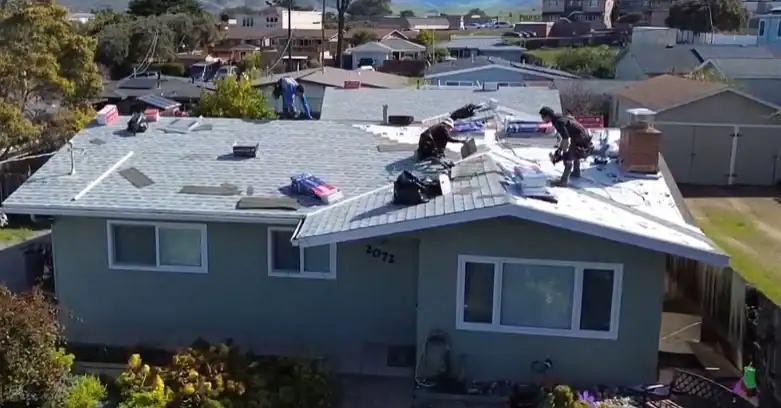
Searching for Reroofing Contractors Around Central Coast California?
Creative Roofing stays with a roofing project from the first walk-around to the final check, from Central Coast California out to the surrounding area.
Dial 805-723-2381 and we will talk through what the roof needs.
Day One of a Roof Project
A roofing project begins with a close look at the surface, the edges and the pipes, and that is worth keeping in mind. Loose granules, lifted edges, cracked flashing and soft spots all say something about the layers below, and that is the evidence a sensible plan is built on.
Sunny slopes and shaded slopes tell different stories, and both matter, and a roofer who knows the area expects exactly that.
Deciding What the Roof Needs
The right answer depends on how much sound material is left on the house, and the details are worth a closer look. Damage should be shown rather than only described, and the answer tells you a lot.
Wood that has been wet for a long time has to be cut out and replaced, and nobody should be surprised when it happens.
Shingle, Tile or Metal
Asphalt shingles, concrete or clay tile and standing seam metal are the coverings most often put on homes here, and the pitch of the roof narrows the field quickly. A roof that faces strong sun all afternoon behaves differently depending on its shade, and it pays to look at them at different times of day.
Timing the Work
Roofing here follows the weather more than the calendar, and a careful crew never leaves an opening to chance. Heat affects the work as well, and the plan bends to the heat rather than the other way around.
Stripping Down to the Deck
Taking the old roof off is the noisiest and messiest part of the job, and magnets and rakes pick up the nails that fall. Once the deck is bare, any damaged boards are replaced, and it is easier to fix now than after the roof is finished.
Waterproofing Beneath the Surface
Much of the protection a roof offers is out of sight, and chimneys get particular care. The house is safest once the second layer is complete, and that is worth keeping in mind.
Penetrations and Edges
Water finds the joints first, so flashing matters, so fresh metal is standard practice among careful crews. Vent boots and pipe collars are rubber or lead pieces that wear out before the roof does, and a new roof should not depend on a seal that is already tired.
Attic Airflow
Warm air trapped under the deck works on the roof from below, and vents at the eaves let cooler air in. More vents are not always better, because intake and exhaust have to be balanced, so ask how the attic will breathe once the work is done.
Leaving the Property Clean
Once the roofing is done, the property has to be put back in order, and a magnetic sweep picks up stray nails. A walk around the finished roof with the roofer is a reasonable thing to ask for, and it makes future repairs and sales smoother.
Local Rules and Paper Trails
Depending on the town, a re-roof may need a permit before any material is ordered, because surprises at the counter slow everything down. Where fire risk is high, the roof covering and the vents face tighter standards, and a roofer working in the area should already know them. Written proposals should describe the materials, the scope and the cleanup in plain words, and it is easy to overlook.
Protecting the House and Yard
Heavy materials, ladders and falling pieces all share the space around the walls, and plants and patio furniture are moved or covered. Pets, children and cars are best kept away from the work area, and a short talk the evening before covers the details. Attic contents are best covered or moved before the work starts, so it is wise to take down fragile pictures first.
Disruption and How to Manage It
Most residential projects are finished within days, not weeks, and plan on some slack for the weather. Dumpsters and trucks may take up space on the road, and early starts mean early noise. The loudest stretch is the tear-off, and it passes quickly, and the noise settles once the old roof is gone.
Questions That Reveal the Difference
Ask how the roof will be ventilated and how the flashing will be handled, and write the answers down. Knowing exactly what is going on the house removes a common source of disputes, and take your time reading it. The way a roofer handles the unexpected says a lot about the whole operation, and you will have a clear record.
Small Habits That Extend Roof Life
A roof that is never looked at tends to fail when it is least convenient, and little problems stay little. Sweeping leaves off the roof and out of valleys prevents trouble, so it is worth doing before summer ends. Early attention to a leak is almost always cheaper than late attention, and it pays to think it through.
Is There a Best Time for a New Roof
Many homeowners wait until a leak appears before they think about a roof, and a calm decision is nearly always a better one. Any month can work with the right planning and a willingness to move a day, and a good roofer will explain the trade-offs.
Attic Findings That Change the Plan
Insulation in the attic that is compressed, wet or missing should be noted, since a new roof is a good time to fix the whole assembly, and the findings can change the scope.
Ready When You Are
Sorting out Reroofing Contractors in Central Coast California is easier with someone who can look at the house, and 805-723-2381 reaches the right person. Large or small, a roofing project goes best when the plan is clear before the work starts, and the roof will tell the story once someone looks. The decision often feels bigger before the call than it turns out to be, so pick up the phone when you are ready.






















