
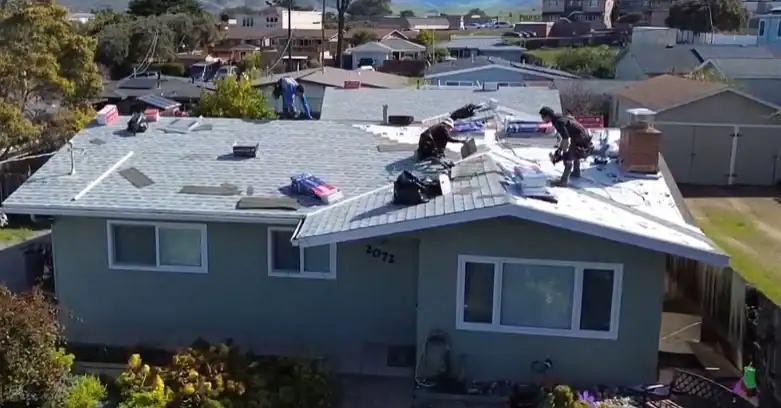
Searching for New Roofing Companies Around Lompoc California?
Creative Roofing walks a household through every stage of a roofing project, serving Lompoc California and the places close by.
Phone 805-723-2381 to set up a time for someone to look at the roof.
Where a Roofing Job Begins
The first visit is about gathering facts rather than picking a product, and a rushed visit tends to cost more than it saves. Signs of wear on top often point to a moisture problem underneath, and each one goes into the notes.
Months of direct sun take a steady toll on whatever covers a house, so the wear is rarely even from one side to the next.
What Should Actually Be Done
Not every worn roof needs replacing, and not every leak is a small one, and the details are worth a closer look. Findings that cannot be pointed to are findings worth questioning, because you are the one living under the result.
Rotted or soft sheathing changes the plan and often the schedule, so a note on how it will be handled saves arguments later.
Matching the Covering to the House
Asphalt shingles, concrete or clay tile and standing seam metal are the coverings most often put on homes here, and the pitch of the roof narrows the field quickly. Lighter colors reflect more of the summer sun, while darker ones soak it up, and it pays to look at them at different times of day.
Planning for Rain and Heat
Dry months are the busy season for roofing, since an open roof and rain do not mix, and it pays to think it through. Crews often start early in summer to get ahead of the hottest hours, and the plan bends to the heat rather than the other way around.
Getting to a Clean Surface
The existing covering is stripped away and the deck is left exposed for inspection, and debris goes into a bin or trailer rather than onto the lawn. The deck is checked, mended and made flat for the next layer, and it is easier to fix now than after the roof is finished.
The Hidden Layers
Underneath the visible covering sits a water-resistant layer that does much of the work, so self-adhering membrane goes where leaks tend to begin. Reaching this stage quickly is a sensible way to protect the interior, and the finished surface is installed over a sound base.
Flashing and the Fiddly Parts
Wherever the roof surface stops, a metal detail has to take over, so fresh metal is standard practice among careful crews. Vent boots and pipe collars are rubber or lead pieces that wear out before the roof does, so this is an easy step to ask about.
Ventilation in a Warm Climate
Heat collects in the space beneath the roof deck unless it has somewhere to go, and a proper system draws air in low and sends it out high. More vents are not always better, because intake and exhaust have to be balanced, and the answer should be part of the proposal.
Cleanup and the Final Walk-Through
Final cleanup means more than a quick sweep, and that is part of the work, not an extra. Keeping a short record of the materials used helps with later maintenance, so keep the paperwork and pictures together.
Local Rules and Paper Trails
Replacing a roof usually involves the local building department in some way, because surprises at the counter slow everything down. Areas with wildfire exposure often have extra requirements for roofing materials and vents, since the covering you pick has to be one the town accepts. The best paperwork leaves little room for misunderstanding, so keep a copy where you can find it.
Protecting the House and Yard
A busy work site needs boundaries, and a careful crew sets them before the work begins. The area under the eaves is the one to avoid, and it pays to think it through. Hammering on the deck above can rattle a ceiling and drop dust into the rooms below, and it is best done the night before.
What the Household Should Expect
A simple roof may go quickly while a complicated one takes longer, so ask for the expected start and finish up front. A quick word with the people next door can head off complaints, and most people are tolerant when they know what to expect. Remote workers may want a quiet spot elsewhere for a day or two, and a plan for the loud days makes them easier.
Getting Clear Before the Work Begins
Ask what will be done with the old material and how the deck will be handled, and write the answers down. Product names and thicknesses on the proposal let you compare like with like, and a little care goes a long way. A change in scope should be written down and approved before the work continues, and the details are worth a closer look.
Caring for the Roof Once It Is Done
A roof that is never looked at tends to fail when it is least convenient, so put it on the calendar like any other chore. Trim branches that touch or hang over the roof, and it also reduces fire risk in dry months. Waiting on a small problem usually makes it more expensive, and it pays to think it through.
Choosing the Right Season
Planning ahead usually gives better choices than reacting to an emergency, and the schedule fills quickly once the rains end. Any month can work with the right planning and a willingness to move a day, and a good roofer will explain the trade-offs.
Checking the Space Beneath the Deck
Rust on the points of roofing nails and dark patches on the sheathing are signs that moisture has been present for some time, so ask the roofer to look inside as well.
Talk to Us About Your Roof
A call is the simplest way to begin planning work in Lompoc California, so dial 805-723-2381 and say what you are seeing. The size of the project changes the schedule but not the principle, and the roof will tell the story once someone looks. Putting off a roof question rarely makes it easier to answer, so pick up the phone when you are ready.
Verified

Verified
Verified
Verified
Verified






















