
Weighing BUR Roofing Around Orcutt California?
Creative Roofing handles the seams, drains and edges where a flat roof succeeds or fails, across Orcutt California and nearby.
Ring 805-723-2381 and we will explain the options for a level roof.
Roofs That Do Not Shed Water by Themselves
A roof with barely any pitch is a different design problem from the ordinary sloped kind, and that is worth keeping in mind. A pinhole in a membrane or a gap in a seam lets in water that sits and keeps seeping, and ask what systems they install most.
The Systems You Will Hear About
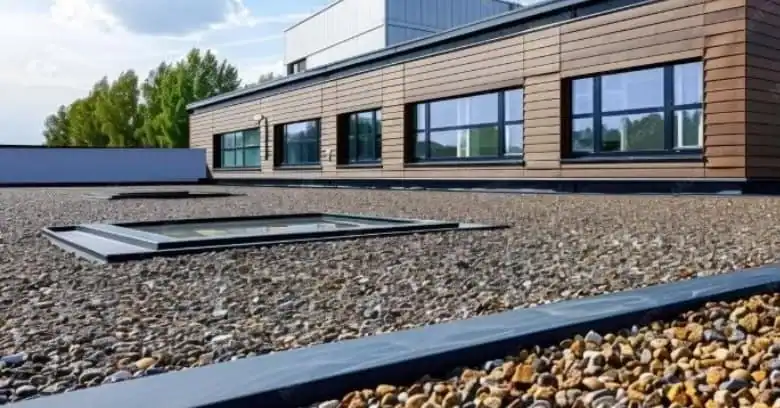
White single-ply membranes reflect sunlight and help keep the building cooler, and a little care goes a long way. Rubber membranes are black or white, and the seams are joined with tapes or adhesives, and the system suits many residential flat roofs. Gravel surfacing on a built-up roof protects the layers from sun and foot traffic, and repairs can be made in place.
Following the Water to Its Source
A careful look at the details finds most of what is wrong, and that is worth keeping in mind. The edges around the perimeter take the most punishment from sun and wind, so look at those joints every year.
When Water Will Not Leave
Rain here often comes in sudden bursts that test every flat roof drain, and a clogged outlet can overload a roof. Adding drains or enlarging scuppers helps when the old ones were undersized, and the improvement is permanent.
Cool Roof Coatings and Light Membranes
Dark surfaces can reach temperatures much higher than the surrounding air, and it is easy to overlook. Silicone, acrylic and elastomeric coatings are the main families used on flat roofs, so cleaning and repair come first.
Vents, Pipes and Rooftop Units
Boots, pitch pockets and flashing collars around pipes must be sound and sealed, and the sealant at each one ages in the sun. Walkway pads cost little and save the membrane from scuffing and punctures, and avoid storing items on the roof.
Choosing How Far to Go
A flat roof with a few leaks and a sound membrane can often be repaired for a fraction of the cost of replacing it, and temporary fixes should be called what they are. When the surface is simply worn, a coating or an overlay can refresh it without a full tear-off, and the survey is worth the small cost. Removing the old layers lets the deck be inspected and any damaged wood replaced, and compare more than one proposal.
Small Flat Roofs With Big Responsibilities
A level porch roof may look like a minor part of a house, yet it protects the walls and the ceiling beneath it just as a main roof does, so ask whether the company handles low-slope work regularly. Siding, stucco and trim all have to be worked into the flashing, and the roofer has to cooperate with whoever finished the wall, and a thorough repair covers the whole junction. Before adding weight or furniture to a flat roof, it is wise to confirm that the structure and the membrane can carry it, and avoid fastening anything through the membrane.
What Sits Between the Roof and the Ceiling
Rigid insulation boards above or below the deck slow the passage of heat, and they matter more on a level roof than on any other type, so ask what insulation is part of the proposal. Wet insulation loses most of its ability to resist heat and adds weight the roof was never meant to carry, and that is often cheaper than a full tear-off.
A Simple Maintenance Calendar
Drains, scuppers and gutters should be cleared first, since blocked outlets cause more damage than any other single fault, so make it a fixed date on the calendar. After a heavy storm or a spell of high wind, a quick look from a ladder can show whether anything has shifted, lifted or collected on the surface, and cover furniture beneath a drip.
Perimeter Details and Uplift
Gusts lift a flat roof from its edges and corners, where the pressure is highest, and a membrane that is not firmly attached there can peel back like the lid of a can, and expect a specific answer. Ballasted roofs hold the membrane down with a layer of smooth stone or pavers instead of glue or fasteners, and the weight is part of the design, and the gravel does a great deal of quiet work. Crowded rooftops with many pipes and units are slow to roof, because every obstacle needs its own flashing and sealing, so be there for the visit if you can.
Roof Penetrations, Skylights and Hatches
A curb lifts the opening above the level of standing water, which is the main reason it exists, and the membrane must climb it and be sealed at the top, and expect specific answers. Plumbing vents, conduits and exhaust ducts pass through the membrane and need boots, collars or pitch pockets that suit the material, and it pays to think it through. Drains and scuppers are also penetrations, and the flashing around them has to be watertight while still letting the water through quickly, and a little care goes a long way.
Reading Competing Bids
A good proposal names the membrane, its thickness, the attachment method and the insulation to be used, and the details are worth a closer look. Ask how the crew will test the seams, how the old roof will be disposed of and how the interior will be protected, and notice who answers plainly.
Access, Fumes and Noise
Removing items from the roof, such as furniture and planters, saves time and prevents damage on the day the work begins, and tell the crew about pets and schedules.
Clearing Up a Few Misconceptions
The idea that level roofs always give trouble comes from poorly detailed examples, because careful work on seams and drains makes a real difference, and it pays to think it through.
Ready to Look at Options
People researching BUR Roofing in Orcutt California are welcome to call with questions, and 805-723-2381 reaches someone who can help. There is no pressure in asking about a flat roof, so reach out whenever you are ready.
Verified

Verified
Verified
Verified
Verified






















