
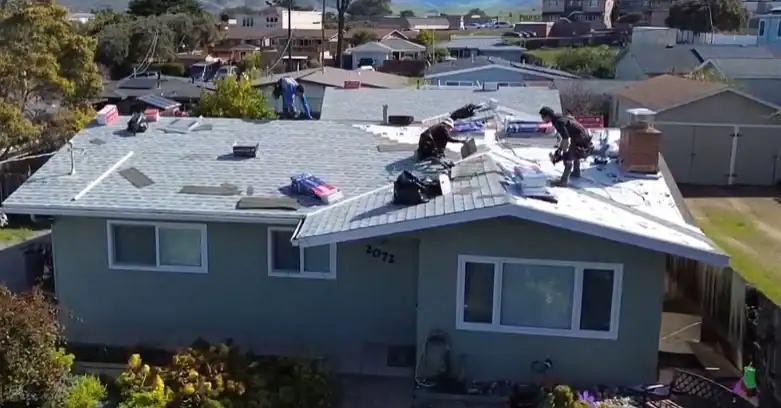
Planning Roofing Replacement for a Home in Santa Barbara California?
Creative Roofing stays with a roofing project from the first walk-around to the final check, for homes in Santa Barbara California and the towns around it.
Phone 805-723-2381 and we will talk through what the roof needs.
Day One of a Roof Project
A roofing project begins with a close look at the surface, the edges and the pipes, since guessing from the ground leads to surprises later. A proper look covers the slopes seen from the yard and the ones that are not, and it pays to think it through.
Heat is the quiet cause behind much of the wear seen on roofs here, so the wear is rarely even from one side to the next.
Choosing How Far to Go
Some roofs need a patch, some need a section redone, and some have reached the end of the road, so a clear explanation matters more than a quick quote. A roofer who explains the reasoning in plain terms is easier to trust with the work, since the plan should make sense to the person paying for it.
Hidden damage found during tear-off is the usual reason a project grows beyond its first outline, and it helps to know that before the work begins.
Shingle, Tile or Metal
Homeowners usually end up comparing shingles, tile and metal panels, since heavy coverings need a frame built to carry them. Color deserves more thought than it usually gets, and a full-size piece seen outdoors beats a catalog picture.
Planning for Rain and Heat
Dry months are the busy season for roofing, since an open roof and rain do not mix, and it pays to think it through. On very hot afternoons shingles soften and workers slow down, and finishing early keeps people and materials in better shape.
Getting to a Clean Surface
Removal of the old material is where the project gets loud, and protecting the driveway and plants is worth asking about. Repairs to the deck happen now, before anything new is installed, since good materials laid over a weak deck do not last.
What Goes Down First
The first layer laid over the deck is a barrier against moisture, and metal edging is set at the eaves and rakes before the covering. Drying in gives the crew a margin against surprise weather, and the finished surface is installed over a sound base.
Small Metal Pieces, Large Consequences
Chimneys, skylights, vent pipes and walls all need flashing worked into the roof, and the cost is small next to the roof it protects. Plumbing vents are among the most common sources of small leaks, and a new roof should not depend on a seal that is already tired.
Keeping the Attic Cooler
A roof without enough ventilation bakes the attic and everything stored in it, and the details are worth a closer look. Mixing vent types without a plan can short-circuit the airflow, and it is easy to overlook.
Finishing the Job
The job is not over until the yard looks like a yard again, and covers come off the landscaping and the beds are inspected. Questions are easier to settle while the crew is still on site, and a saved record answers questions nobody has thought to ask yet.
Permits and Paperwork
Replacing a roof usually involves the local building department in some way, and a little care goes a long way. Where fire risk is high, the roof covering and the vents face tighter standards, and the details are worth a closer look. Vague wording on a proposal is a reason to ask questions, and it is worth reading it slowly.
What Happens to the Yard
A roofing job puts a lot of weight, noise and debris around a house, and it is reasonable to ask how this will be done. Children and animals should stay clear of the yard while the work is underway, and it pays to think it through. Hammering on the deck above can rattle a ceiling and drop dust into the rooms below, and it is best done the night before.
Living Through a Roof Project
The calendar for a job is set by the roof, not by the wish list, so ask for the expected start and finish up front. A quick word with the people next door can head off complaints, and most people are tolerant when they know what to expect. Remote workers may want a quiet spot elsewhere for a day or two, so consider a day out of the house if you can.
Questions Worth Asking Before You Agree
Ask what will be done with the old material and how the deck will be handled, and it pays to think it through. A proposal that only says shingles or tile is not specific enough, and take your time reading it. Surprises are normal, and a process for them is a sign of a well-run job, and settle it before the first day.
Small Habits That Extend Roof Life
Regular glances at the roof catch small problems early, and the best times are before the rainy season and after the first big storm. Debris on the roof holds moisture and wears the surface, and a small broom is often enough. Early attention to a leak is almost always cheaper than late attention, and it pays to think it through.
Spring, Summer or Fall
Booking early in the dry season leaves time to compare more than one proposal, and calling in spring avoids the rush. Any month can work with the right planning and a willingness to move a day, and the best season is often the one that fits your calendar.
Insulation, Ducts and Cables Under the Roof
Looking at the roof from inside the attic before the work begins reveals water stains, damp insulation and daylight where none should enter, so ask the roofer to look inside as well.
Next Steps for Your Roofing Project
Questions about Roofing Replacement in Santa Barbara California begin with a short phone call, with 805-723-2381 ready whenever you are. Whether the job is a small section or a whole house, the questions are much the same, and that is worth keeping in mind. Taking the first step is usually the hardest part of any home project, and the next step becomes obvious.
Verified

Verified
Verified
Verified
Verified






















