
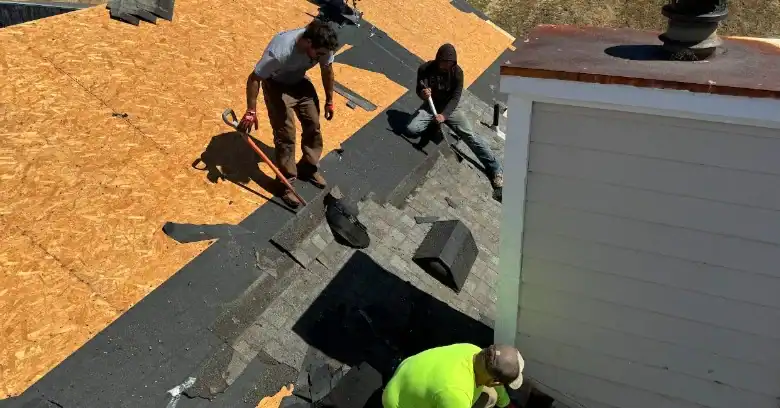
Planning Residential Roofing Repair Serving San Luis Obispo California?
Creative Roofing takes a roofing job from the first look to the last sweep of the yard, from San Luis Obispo California out to the surrounding area.
Ring 805-723-2381 to start a conversation about the roof over your head.
The First Step in a Roofing Project
Nothing gets decided until someone has walked the roof, since guessing from the ground leads to surprises later. Loose granules, lifted edges, cracked flashing and soft spots all say something about the layers below, so the visit usually takes longer than people expect.
Long dry summers and strong sun leave their mark on nearly every roof in California, so the south and west slopes get the closest attention.
Setting the Scope of Work
Some roofs need a patch, some need a section redone, and some have reached the end of the road, and an honest roofer will say which one applies. A roofer who explains the reasoning in plain terms is easier to trust with the work, and the answer tells you a lot.
When the decking underneath is damaged, the scope of the job grows, and agreeing on the approach in advance beats debating it with the roof open.
Picking a Roof Covering
Most houses here wear one of three coverings, and the choice shapes everything else, and the style of the neighborhood often plays a part. The shade of a roof affects how hot it runs in July, and it pays to look at them at different times of day.
Scheduling Around the Weather
Rain arrives in bursts, and a roof that is open when one comes needs protection, and a careful crew never leaves an opening to chance. The temperature on the roof can run well above the temperature in the shade, and finishing early keeps people and materials in better shape.
Stripping Down to the Deck
Taking the old roof off is the noisiest and messiest part of the job, and the details are worth a closer look. Repairs to the deck happen now, before anything new is installed, since good materials laid over a weak deck do not last.
The Hidden Layers
Underneath the visible covering sits a water-resistant layer that does much of the work, and valleys, eaves and penetrations get extra layers. The house is safest once the second layer is complete, and the visible covering goes on from there.
Flashing and the Fiddly Parts
Flashing is the thin metal that keeps water out where the roof meets something else, so fresh metal is standard practice among careful crews. The seal around a vent pipe rarely lasts as long as the surface around it, and a new roof should not depend on a seal that is already tired.
Attic Airflow
An attic under a hot roof can reach extreme temperatures in summer, since warm air rises on its own when it is given a path. Adding vents at random may do little more than cut holes in the roof, and a roofer should be able to describe it simply.
Leaving the Property Clean
Final cleanup means more than a quick sweep, and that is part of the work, not an extra. Keeping a short record of the materials used helps with later maintenance, and it pays to think it through.
Approvals Before the Work Starts
Depending on the town, a re-roof may need a permit before any material is ordered, so it is fair to ask who pulls the permit. Where fire risk is high, the roof covering and the vents face tighter standards, and a roofer working in the area should already know them. A proposal that names its materials and steps is easier to compare, so keep a copy where you can find it.
Protecting the House and Yard
Heavy materials, ladders and falling pieces all share the space around the walls, and that is worth keeping in mind. Moving vehicles out of range for the day is a simple precaution, so tell the crew about anything fragile or valuable. Light fixtures and wall hangings can shift when a roof is being removed above them, and a little care goes a long way.
The Few Days of Commotion
The calendar for a job is set by the roof, not by the wish list, and the details are worth a closer look. Roof work is loud, and the street will hear it, and early starts mean early noise. The loudest stretch is the tear-off, and it passes quickly, and a plan for the loud days makes them easier.
Questions That Reveal the Difference
Ask how the crew protects the house when rain is in the forecast, and it pays to think it through. Knowing exactly what is going on the house removes a common source of disputes, and a good roofer will be glad you asked. Surprises are normal, and a process for them is a sign of a well-run job, and keep the discussion friendly but specific.
Keeping a Roof in Good Shape
Even a new roof benefits from an occasional look from the ground, and the best times are before the rainy season and after the first big storm. Overhanging trees drop material that collects in corners and valleys, and it protects the investment you just made. Early attention to a leak is almost always cheaper than late attention, and it is far easier to repair than to rebuild.
Choosing the Right Season
Many homeowners wait until a leak appears before they think about a roof, and the schedule fills quickly once the rains end. Spring can bring the first showers, so flexibility helps, and a good roofer will explain the trade-offs.
Attic Findings That Change the Plan
When the old roof comes off, the crew sees the underside of the deck, and stains, rust on nail tips and darkened wood tell the story of past leaks, and the findings can change the scope.
Start the Conversation
Anyone researching Residential Roofing Repair in San Luis Obispo California is one call away from a straight answer, and the number is 805-723-2381. Large or small, a roofing project goes best when the plan is clear before the work starts, so there is no harm in asking questions first. Putting off a roof question rarely makes it easier to answer, and nobody will rush you.
Verified

Verified
Verified
Verified
Verified






















