
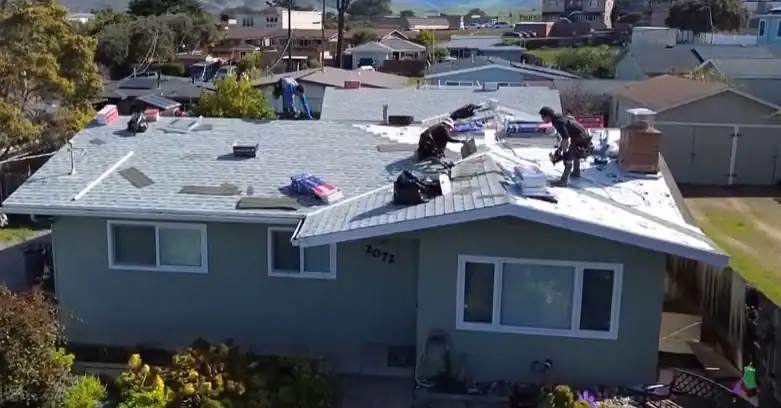
Planning Roofing Services Serving Atascadero California?
Creative Roofing covers each step of putting a new roof on a house, serving Atascadero California and the places close by.
Dial 805-723-2381 to set up a time for someone to look at the roof.
Before Anything Is Torn Off
Before any material is chosen, the existing roof has to be understood, and a rushed visit tends to cost more than it saves. Photographs taken on that first visit become the record for everything that follows, and that is the evidence a sensible plan is built on.
Sunny slopes and shaded slopes tell different stories, and both matter, and the sunniest side is usually the oldest-looking side.
Setting the Scope of Work
Whether to fix or replace comes down to the condition of the layers beneath the surface, so a clear explanation matters more than a quick quote. Ask to see the problem areas, either in photographs or from the ladder, and the answer tells you a lot.
When the decking underneath is damaged, the scope of the job grows, and it is easy to overlook.
Choosing Materials for Your Home
Most houses here wear one of three coverings, and the choice shapes everything else, and the pitch of the roof narrows the field quickly. Sun exposure makes color a practical question as well as a visual one, so do not settle the question from a photograph.
Timing the Work
Dry months are the busy season for roofing, since an open roof and rain do not mix, and temporary dry-in layers keep the house safe overnight. On very hot afternoons shingles soften and workers slow down, and finishing early keeps people and materials in better shape.
Tear-Off and Preparation
Removal of the old material is where the project gets loud, and protecting the driveway and plants is worth asking about. Repairs to the deck happen now, before anything new is installed, and skipping the step shortens the life of an otherwise good roof.
Underlayment and Drying In
Underneath the visible covering sits a water-resistant layer that does much of the work, so self-adhering membrane goes where leaks tend to begin. Once the underlayment is down, the house is considered dried in, and the visible covering goes on from there.
Where Roofs Meet Walls and Pipes
Chimneys, skylights, vent pipes and walls all need flashing worked into the roof, and it pays to think it through. Vent boots and pipe collars are rubber or lead pieces that wear out before the roof does, so this is an easy step to ask about.
Attic Airflow
A roof without enough ventilation bakes the attic and everything stored in it, so vents near the ridge give the hot air a way out. More vents are not always better, because intake and exhaust have to be balanced, and the answer should be part of the proposal.
The Last Day on Site
A finished roof still leaves a yard full of scraps, nails and packaging, and that is part of the work, not an extra. A walk around the finished roof with the roofer is a reasonable thing to ask for, and a saved record answers questions nobody has thought to ask yet.
The Paperwork Side of a Roof
Local requirements shape the job before the first shingle is touched, so it is fair to ask who pulls the permit. Fire safety rules in some neighborhoods affect which coverings are allowed, and a roofer working in the area should already know them. A clear proposal lists what will be removed, what will be installed and what happens if the deck needs work, so compare any two side by side.
Looking After Your Property During the Work
The ground around a house takes a beating during a roof project, and plants and patio furniture are moved or covered. The area under the eaves is the one to avoid, and keep a path clear for deliveries. The attic gets dusty during tear-off, and anything stored there will notice, so it is wise to take down fragile pictures first.
The Few Days of Commotion
A new roof usually takes a few days for an average house, though weather and size change that, and the details are worth a closer look. Informing nearby households is a courtesy that pays off, and early starts mean early noise. Remote workers may want a quiet spot elsewhere for a day or two, and everything returns to normal once the crew packs up.
Questions Worth Asking Before You Agree
Ask what will be done with the old material and how the deck will be handled, and write the answers down. Knowing exactly what is going on the house removes a common source of disputes, and a little care goes a long way. The way a roofer handles the unexpected says a lot about the whole operation, and settle it before the first day.
Caring for the Roof Once It Is Done
A roof that is never looked at tends to fail when it is least convenient, and little problems stay little. Keep the gutters clear of leaves and needles, especially at the end of the dry season, and it protects the investment you just made. Waiting on a small problem usually makes it more expensive, so do not wait for the next storm.
Is There a Best Time for a New Roof
Booking early in the dry season leaves time to compare more than one proposal, so a few weeks of lead time is common. Any month can work with the right planning and a willingness to move a day, and the details are worth a closer look.
Attic Findings That Change the Plan
The attic is the roof as seen from below, and it often gives the clearest picture of how the roof has been performing, so ask the roofer to look inside as well.
Next Steps for Your Roofing Project
A call is the simplest way to begin planning work in Atascadero California, with 805-723-2381 ready whenever you are. Every roof is different, so every conversation starts from the house itself, and an early conversation costs little. The decision often feels bigger before the call than it turns out to be, and it pays to think it through.
Verified

Verified
Verified
Verified






















