
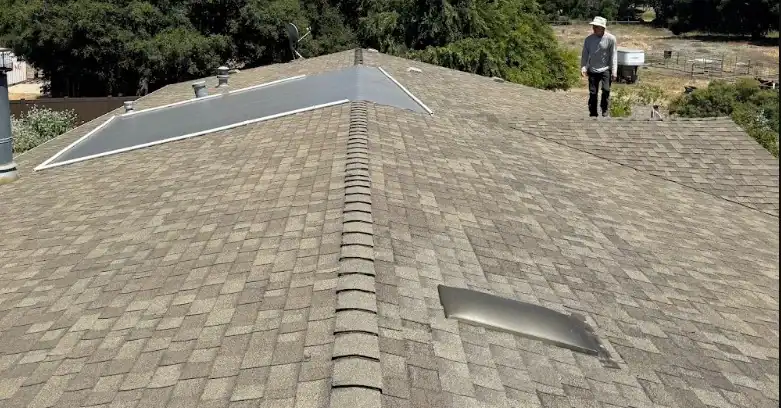
Choosing Shingle Roofing Serving Atascadero California?
Creative Roofing installs and repairs the shingle coverings found on most houses in the area, for homes in Atascadero California and the towns around it.
Call 805-723-2381 and ask about a shingle roof for your house.
Inside a Shingle
Each shingle is a thin sandwich of mat, asphalt and stone granules, and the granules protect the asphalt from the sun. A shingle that has lost its granules is losing its sunscreen, and the process only gets faster over time.
Choosing a Weight and Style
The basic strip shingle is a simple product with a simple appearance, so many homeowners compare it with thicker lines. Most new roofs on houses today use architectural shingles, which look richer and resist wind better, so there is something for most houses. The top of the range offers the richest textures and the greatest thickness, and the framing should be checked before choosing the heaviest types.
Heat Is the Slow Enemy
The sun does more to age a shingle roof in this region than any other force, and that is worth keeping in mind. A shingle that has begun to curl no longer lies flat against the roof, and it pays to think it through.
Light Versus Dark
Lighter shingles reflect more of the summer sun and keep the roof surface cooler, so consider how the house sits in the sun. Reflective granules can bring a dark color closer to the performance of a light one, and the difference is most noticeable in the hottest months.
Fastening Patterns and Why They Matter
Nails driven too high or too low weaken the hold of the whole course, and check that they are driven flush. A starter strip along the eave and the rake gives the first course a sealed edge and extra grip, and crooked rows are a warning. A properly installed ridge looks neat and stays tight against the weather, and a sloppy ridge is a common weak spot.
Gusts and Loose Tabs
A shingle that never sealed can lift and flap in a gust, and a roof installed in summer bonds quickly. Edges and ridges are where wind does the most damage, and a pattern of lifting suggests the roof is aging.
Air Movement Under the Deck
Airflow under the deck helps a shingle roof reach its full useful life, and ridge vents work well with soffit intake. Attic fans, gable vents and ridge vents each work differently and should not fight each other, and fixing ventilation is far easier during a re-roof.
Flashing, Valleys and Underlayment
The underlayment is the water-resistant layer under the shingles that catches whatever gets past the surface, and the choice affects how the roof performs. Valley flashing has to be formed correctly and sealed well, or water finds a way in, and these details cause most leaks on shingle roofs.
Reading the Roof
Look for lines of shadow where shingles have lifted and for stains inside the house, and early action keeps choices open. Repairing a small area costs far less than a full replacement when the surrounding roof is sound, and a good roofer will tell you when a repair is enough. A roof that is worn out everywhere will keep leaking in new places however many patches it gets, and a full replacement gives a fresh start.
Taking Off the Old Shingles
Most shingle replacements begin with a full tear-off, in which the old layers are stripped away and the plywood or boards beneath are laid bare, and it pays to think it through. Overlaying is a shortcut that a careful roofer will explain before agreeing to it, so ask for both options in writing. Since the extent of deck damage cannot be known until the old roof is off, a fair agreement sets a method for pricing the extra work, and good communication keeps everyone calm.
Cleanup, Nails and Protecting the Property
The first hour on site is spent setting up protection, and that time is well spent, and the crew returns it to normal when finished. Nails are the main hazard left behind after any roofing job, and a magnetic sweep of the yard and driveway is standard practice, and the work is not finished until the cleanup is. Checking the gutters after the first big rain is a good habit, and it takes only a few minutes, and it pays to think it through.
Choosing the Right Season for Shingles
Timing a project well means picking a stretch of dry days and leaving some room for delays, and flexibility makes scheduling easier. On a scorching day the surface of a roof becomes too hot to handle, and the asphalt softens enough to mark if walked on carelessly, and patience pays off in the finished roof.
Working Around Things That Share the Roof
Each opening in a shingle roof needs flashing built in layers with the courses, and the work is easier when the roof is already open, and replacing them together saves money. Solar panels bolted to a shingle roof have to be removed and reinstalled when the roof is replaced, so the two projects should be planned together, so ask both contractors how they would proceed.
Matching Shingles After a Repair
Older shingles lose color and granules in the sun, so a few fresh ones will stand out until the surrounding roof catches up, and place the repair where it is least visible.
Carrying Water Away From the House
Without proper edging, rain can wick behind the shingles and attack the sheathing and fascia board over the following seasons, and old fascia boards are easy to replace while the roof is open.
Getting Specific About the Product
A good proposal names the shingle line, the color, the underlayment and the flashing materials, and the line items let you compare two bids fairly. A roofer who explains the process clearly is usually one who follows it, so take notes during the conversation.
Next Steps for Your Roof
Those comparing Shingle Roofing in Atascadero California can reach us by phone, and the number is 805-723-2381. There is no pressure in asking about a new roof, so reach out whenever you are ready.
Verified

Verified
Verified
Verified