
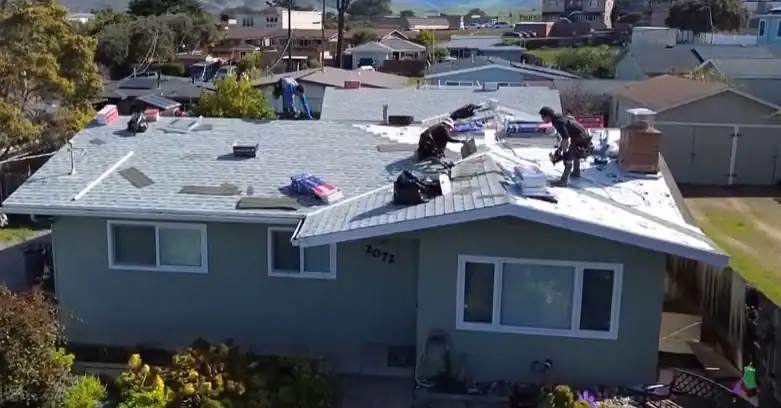
Planning Roofing Replacement Near Atascadero California?
Creative Roofing handles the planning, the tear-off and the cleanup of a roof job, from Atascadero California out to the surrounding area.
Phone 805-723-2381 and we will talk through what the roof needs.
Starting Out Right
A roofing project begins with a close look at the surface, the edges and the pipes, and a rushed visit tends to cost more than it saves. A proper look covers the slopes seen from the yard and the ones that are not, and each one goes into the notes.
Heat is the quiet cause behind much of the wear seen on roofs here, and the sunniest side is usually the oldest-looking side.
Setting the Scope of Work
A roof can be repaired, partly rebuilt or removed entirely, and the evidence decides what is done, and the details are worth a closer look. Pictures of the trouble spots take the guesswork out of the decision, so do not feel awkward about asking.
Wood that has been wet for a long time has to be cut out and replaced, and agreeing on the approach in advance beats debating it with the roof open.
Picking a Roof Covering
Asphalt shingles, concrete or clay tile and standing seam metal are the coverings most often put on homes here, but the framing and the slope decide more than preference does. Lighter colors reflect more of the summer sun, while darker ones soak it up, so hold a sample against the house in daylight.
Timing the Work
Roofing here follows the weather more than the calendar, and crews watch the forecast closely. Crews often start early in summer to get ahead of the hottest hours, so the day usually begins at sunrise.
Tear-Off and Preparation
Taking the old roof off is the noisiest and messiest part of the job, and magnets and rakes pick up the nails that fall. Once the deck is bare, any damaged boards are replaced, so this is not the place to save time.
Underlayment and Drying In
Beneath every roof is a membrane that catches whatever the surface lets through, so self-adhering membrane goes where leaks tend to begin. Drying in gives the crew a margin against surprise weather, and the visible covering goes on from there.
Small Metal Pieces, Large Consequences
Chimneys, skylights, vent pipes and walls all need flashing worked into the roof, since worn metal under new material becomes the weak link. The seal around a vent pipe rarely lasts as long as the surface around it, and a new roof should not depend on a seal that is already tired.
Air Under the Roof
Heat collects in the space beneath the roof deck unless it has somewhere to go, and vents at the eaves let cooler air in. More vents are not always better, because intake and exhaust have to be balanced, and a roofer should be able to describe it simply.
Wrapping Up
When the last piece is installed, the cleanup begins, and covers come off the landscaping and the beds are inspected. Keeping a short record of the materials used helps with later maintenance, and it pays to think it through.
What the City Wants to See
Depending on the town, a re-roof may need a permit before any material is ordered, and the process is easier when someone handles it for you. Wildfire concerns have changed what many local codes ask of a roof, so ask how the plan meets the rules for your street. Written proposals should describe the materials, the scope and the cleanup in plain words, so compare any two side by side.
What Happens to the Yard
Roof work is hard on landscaping unless it is planned for, and plants and patio furniture are moved or covered. Moving vehicles out of range for the day is a simple precaution, and a short talk the evening before covers the details. Hammering on the deck above can rattle a ceiling and drop dust into the rooms below, and covering belongings is a sensible precaution.
Living Through a Roof Project
A new roof usually takes a few days for an average house, though weather and size change that, and the details are worth a closer look. Dumpsters and trucks may take up space on the road, and most people are tolerant when they know what to expect. Household routines bend a little while the work is under way, and everything returns to normal once the crew packs up.
A Short List for Comparing Proposals
A sensible first question is what exactly is included in the scope, and listen to how the answer is given. A proposal that only says shingles or tile is not specific enough, and it should be written on the proposal. Surprises are normal, and a process for them is a sign of a well-run job, and you will have a clear record.
Looking After a New Roof
Checking the roof twice a year takes only a few minutes, and the best times are before the rainy season and after the first big storm. Trim branches that touch or hang over the roof, and a small broom is often enough. Missing pieces, lifted edges or a new stain are all reasons to have someone look, and it is far easier to repair than to rebuild.
Spring, Summer or Fall
Waiting for the first storm to find the weak spot means hiring in a hurry, and a little care goes a long way. Early fall is popular because the weather is still dry and the heat has eased, and the covering you choose affects the timing as well.
What the Crew Sees Inside the House
Rust on the points of roofing nails and dark patches on the sheathing are signs that moisture has been present for some time, and the findings can change the scope.
Start the Conversation
A call is the simplest way to begin planning work in Atascadero California, so dial 805-723-2381 and say what you are seeing. Whether the job is a small section or a whole house, the questions are much the same, and an early conversation costs little. The sooner the roof is looked at, the more choices you tend to have, so pick up the phone when you are ready.
Verified

Verified
Verified
Verified






















