
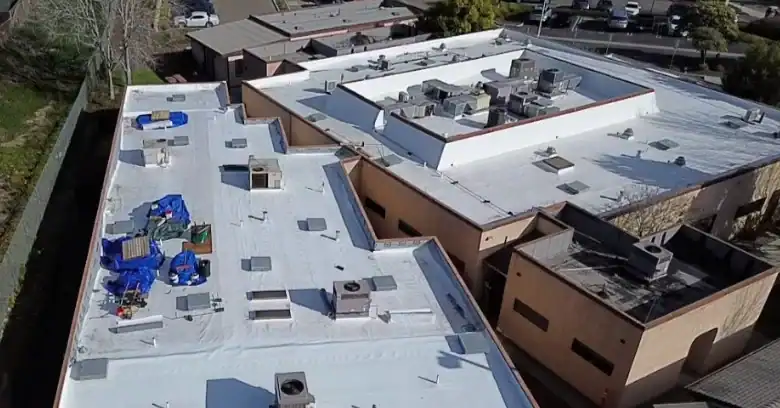
Weighing TPO Membrane Roofs Near Atascadero California?
Creative Roofing knows how a roof without a pitch is built, why it leaks and how to make it last, across Atascadero California and nearby.
Ring 805-723-2381 to arrange a visit to look at the roof.
A Roof With Almost No Slope
The gentle angle of a flat roof gives water time to find every weakness, and the quality of the seams decides everything. Standing water multiplies every defect and speeds up aging, and ask what systems they install most.
A Guide to the Main Options
The seams on thermoplastic sheets are fused rather than glued, which makes them strong, and a little care goes a long way. EPDM is a synthetic rubber sheet that is glued or mechanically fastened and has a long record on flat roofs, and the system suits many residential flat roofs. Gravel surfacing on a built-up roof protects the layers from sun and foot traffic, and the system is heavy compared with single-ply.
Seams, Corners and Terminations
Most flat roof leaks start at a detail rather than in the middle of the roof, and shortcuts miss the trouble. The edges around the perimeter take the most punishment from sun and wind, so look at those joints every year.
When Water Will Not Leave
Water that does not drain adds weight, breeds algae and ages the surface faster, and a clogged outlet can overload a roof. Adding drains or enlarging scuppers helps when the old ones were undersized, so ask for a plan to improve drainage.
How Heat Wears a Low-Slope Roof
Dark surfaces can reach temperatures much higher than the surrounding air, and sunlight is the main cause of aging. A coating adds a protective layer and can seal small cracks and seams, and that is worth keeping in mind.
Foot Traffic, Equipment and Penetrations
Skylights and hatches add edges that need careful flashing, and plugging with caulk is only a stopgap. Tools, ladders and dropped objects can cut a sheet, so care is required, and avoid storing items on the roof.
Repair, Recoat or Replace
Localized seams, flashings and punctures can be fixed without touching the rest of the roof, and the key is an accurate diagnosis. Adding a new membrane over an existing one is possible in some cases and saves removal costs, and an honest answer starts with a survey. Starting fresh gives the best foundation for another long stretch of service, and it should be planned rather than rushed.
Residential Low-Slope Roofing
Owners of older homes often discover that an addition from a previous decade was finished with a membrane that has long since worn out, so ask whether the company handles low-slope work regularly. Siding, stucco and trim all have to be worked into the flashing, and the roofer has to cooperate with whoever finished the wall, and a little care goes a long way. Roof decks and patios built over living space need a waterproofing layer under the finished surface, and a failure there can be expensive to reach, so involve the roofer early.
Insulation, Slope and Comfort Under a Level Roof
Rooms beneath a flat roof often feel warmest in late afternoon, when the surface has soaked up a full day of sun, and the savings show up in the cooling bill. Wet insulation loses most of its ability to resist heat and adds weight the roof was never meant to carry, so ask whether a survey is part of the process.
Small Habits That Prevent Big Leaks
The best time to look at a flat roof is at the end of the dry season, when leaves and debris have piled up and the rains are about to test every drain, and call a roofer if anything looks suspicious. Noting the date and the weather when a leak appears helps the roofer find the cause, and call early rather than late.
Wind, Edges and Fastening on a Level Roof
After a windy spell it is worth checking the perimeter from a ladder for loose trim, lifted seams and curling edges, and a little care goes a long way. A ballasted roof needs a structure strong enough to carry the added load, which is a point to confirm before choosing the system, so inspect the outlets after any disturbance. The more complicated the roof, the more a clear written scope matters, since each detail represents a possible source of dispute, and it is easy to overlook.
Roof Penetrations, Skylights and Hatches
Skylights and roof hatches sit on raised curbs that are flashed into the membrane, and the quality of that flashing decides whether they leak, and expect specific answers. Plumbing vents, conduits and exhaust ducts pass through the membrane and need boots, collars or pitch pockets that suit the material, so ask about consolidating them. Keeping every outlet clear and in good repair is the most important single habit of flat roof care, and clear them after storms.
Getting Specific About the System
The written scope should list the flashing details, the edge metal and the drainage work, and it lets you compare two bids fairly. Ask how the crew will test the seams, how the old roof will be disposed of and how the interior will be protected, and trust the overall impression.
Access, Fumes and Noise
Removing items from the roof, such as furniture and planters, saves time and prevents damage on the day the work begins, and the disruption is brief compared with a leak.
Short Answers About Low-Slope Roofing
A roof with no visible slope is not necessarily failing, since most are designed with a gentle fall toward the drains, and bring photographs if you have them.
Talk to Us About Your Flat Roof
People researching TPO Membrane Roofs in Atascadero California are welcome to call with questions, so use 805-723-2381 to set up the next step. Planning ahead usually leads to better choices than reacting to an emergency, and the first step is just a phone call.
Verified

Verified
Verified
Verified






















