
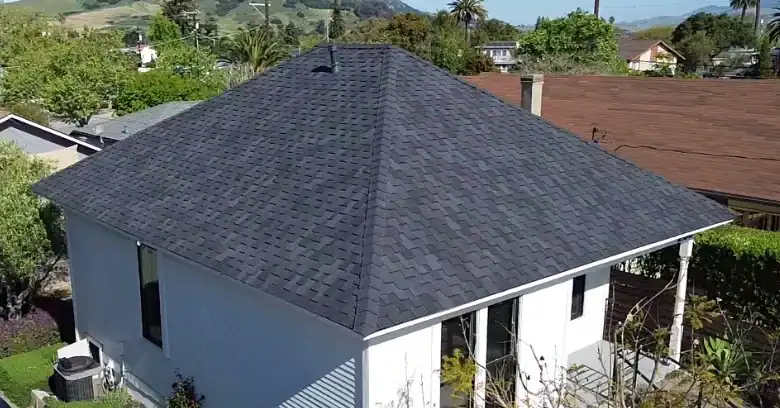
Thinking About Luxury Shingle Roofing Close to Grover Beach California?
Creative Roofing replaces worn shingle roofs and mends the ones that still have life left, across Grover Beach California and nearby.
Call 805-723-2381 to talk through shingle styles and what suits the home.
Inside a Shingle
Most roofs on houses here wear shingles built from a glass-fiber core with an asphalt skin, and the mat gives the piece its strength. The granules do more than add color, because they shield the asphalt from ultraviolet light, and the process only gets faster over time.
Shingle Grades Explained
A three-tab shingle has a flat, uniform look and the thinnest profile of any common type, and the saving is real but so is the shorter life. Laminated shingles are thicker, heavier and more dimensional than flat strip shingles, so there is something for most houses. The top of the range offers the richest textures and the greatest thickness, and the added weight is a benefit in wind.
Sun, Heat and Aging
Long dry summers bake a shingle roof for months with very little relief from rain, and the difference shows how much the sun contributes. Cracks across the face open the way for water to reach the layers below, and it pays to think it through.
Light Versus Dark
A pale shade reflects more sunlight than a dark one, which can reduce heat entering the attic, and nearby roofs offer a useful preview. Reflective granules can bring a dark color closer to the performance of a light one, and the details are worth a closer look.
Installation Details That Decide Longevity
Fastening is the quiet detail that separates a durable roof from a poor one, and check that they are driven flush. A starter strip along the eave and the rake gives the first course a sealed edge and extra grip, so a good crew follows the layout exactly. Special cap products are made to bend without cracking, and the ventilation opening below the cap should stay clear.
How Shingles Resist Wind
A shingle that never sealed can lift and flap in a gust, and a little care goes a long way. Wind rarely harms a well-sealed roof, but it finds every weak spot on an old one, and a roofer can reseal tabs with a dab of roofing cement.
Heat Trapped Below Shortens the Roof
A balanced system of intake and exhaust keeps the temperature under the roof closer to the air outside, so check that the soffit openings are not blocked by insulation. Adding insulation without maintaining airflow can make an attic hotter in summer, and a roofer can assess the layout in a short visit.
Valleys, Walls and Pipes
Felt paper or synthetic sheets cover the deck and give a second line of defense, so ask which product is going on. Valleys are the crossing channels where two slopes meet, and they carry the most water on the roof, so quality work here matters a great deal.
Spotting Trouble Early
Several signs together point to a roof that needs more than a patch, and a roofer can sort the serious from the cosmetic. A few damaged shingles can often be replaced without touching the rest of the roof, so ask for photographs of the problem areas. Replacement is the sensible answer once the field of shingles has lost its protective surface, and a full replacement gives a fresh start.
Stripping Down Before Building Up
Removing every old layer is the usual starting point, since it exposes the deck and shows whether anything underneath needs repair, and anything hidden gets found at this point. Overlaying is a shortcut that a careful roofer will explain before agreeing to it, and a little care goes a long way. Sheathing that crumbles or feels spongy underfoot must be replaced before shingles can hold, and the cost of a few sheets is rarely large.
Debris, Magnets and Final Sweeps
The first hour on site is spent setting up protection, and that time is well spent, and a little preparation prevents most complaints. Tires and bare feet find stray nails more often than anyone expects, so a thorough pickup at the end is essential, so walk the yard with the foreman at the end. Gutters should be cleared of granules and debris once the new roof is on, since the first rains will wash any leftovers into the downspouts, and it pays to think it through.
Timing a Shingle Replacement
A roof installed in warm weather bonds sooner than one finished in cool, damp conditions, and that early bond helps in wind, and the calendar is only part of the question. Heat is a normal part of summer roofing, and a good crew plans the day around it rather than fighting it, and the schedule bends to the weather.
Coordinating With Other Trades
A re-roof is the right moment to replace worn skylight curbs, chimney flashing and cracked sealant, before they cause trouble, and a thorough roofer will count them. Mounting brackets pierce the roof, and the seals around them age on the same schedule as the shingles beneath, and get the plan in writing.
Matching Shingles After a Repair
Manufacturers change colors and blends over time, so an exact match for a discontinued shingle may simply not exist anymore, and a small color difference is not a defect.
The Edge Details That Finish a Shingle Roof
Without proper edging, rain can wick behind the shingles and attack the sheathing and fascia board over the following seasons, and a little care goes a long way.
What to Look for in Writing
A proposal that only says new shingles leaves out the details that matter, and read them slowly. Ask how many layers of old roofing will be removed and how the deck will be inspected, and trust your sense of how the questions are received.
Start the Conversation
People researching Luxury Shingle Roofing in Grover Beach California are welcome to call with questions, and 805-723-2381 reaches someone who can help. Even a quick call can clear up questions about shingle grades, colors and timing, and the roof will tell the story once someone looks.
Verified

Verified
Verified
Verified






















