
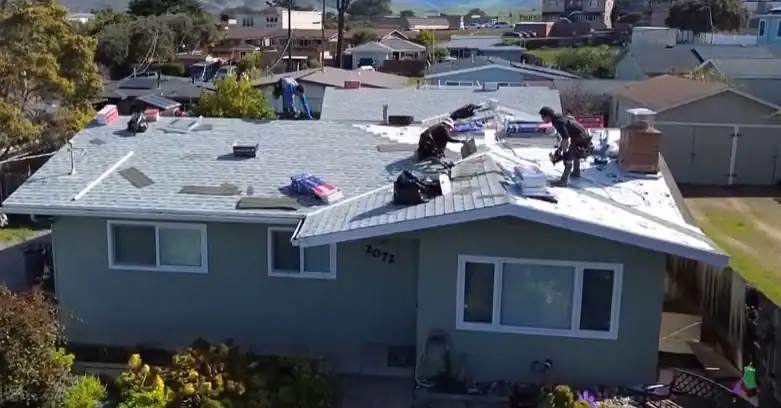
Looking for New Roofing Maintenance in Grover Beach California?
Creative Roofing takes a roofing job from the first look to the last sweep of the yard, from Grover Beach California out to the surrounding area.
Reach out at 805-723-2381 and describe the project you have in mind.
Before Anything Is Torn Off
Nothing gets decided until someone has walked the roof, since guessing from the ground leads to surprises later. Loose granules, lifted edges, cracked flashing and soft spots all say something about the layers below, and the findings are worth asking to see.
Heat is the quiet cause behind much of the wear seen on roofs here, and the sunniest side is usually the oldest-looking side.
What Should Actually Be Done
Whether to fix or replace comes down to the condition of the layers beneath the surface, and an honest roofer will say which one applies. A roofer who explains the reasoning in plain terms is easier to trust with the work, and the answer tells you a lot.
Hidden damage found during tear-off is the usual reason a project grows beyond its first outline, and nobody should be surprised when it happens.
Choosing Materials for Your Home
Asphalt shingles, concrete or clay tile and standing seam metal are the coverings most often put on homes here, but the framing and the slope decide more than preference does. The shade of a roof affects how hot it runs in July, so hold a sample against the house in daylight.
The Calendar and the Forecast
Dry months are the busy season for roofing, since an open roof and rain do not mix, so exposed areas get covered at the end of each day. Roof surfaces get hot enough in July to change how materials behave, and finishing early keeps people and materials in better shape.
Tear-Off and Preparation
Removal of the old material is where the project gets loud, and protecting the driveway and plants is worth asking about. Soft or split sheathing is cut out and new panels are fastened down, because new material is only as good as what it is fastened to.
What Goes Down First
The surface you see is only the outer layer of a roof, so self-adhering membrane goes where leaks tend to begin. Once the underlayment is down, the house is considered dried in, and the visible covering goes on from there.
Details That Decide Whether It Leaks
Wherever the roof surface stops, a metal detail has to take over, so fresh metal is standard practice among careful crews. The seal around a vent pipe rarely lasts as long as the surface around it, and a new roof should not depend on a seal that is already tired.
Attic Airflow
An attic under a hot roof can reach extreme temperatures in summer, and vents at the eaves let cooler air in. Mixing vent types without a plan can short-circuit the airflow, and it is easy to overlook.
The Last Day on Site
Final cleanup means more than a quick sweep, and that is worth keeping in mind. Keeping a short record of the materials used helps with later maintenance, so keep the paperwork and pictures together.
The Paperwork Side of a Roof
Local requirements shape the job before the first shingle is touched, and the process is easier when someone handles it for you. Certain hillside and edge-of-town areas follow stricter material rules than the valley floor, so ask how the plan meets the rules for your street. A clear proposal lists what will be removed, what will be installed and what happens if the deck needs work, and it is easy to overlook.
Protecting the House and Yard
A roofing job puts a lot of weight, noise and debris around a house, and it is reasonable to ask how this will be done. Children and animals should stay clear of the yard while the work is underway, and a little planning prevents most accidents. Inside the house, vibration can shake items from shelves and loosen attic insulation, and it is best done the night before.
Noise, Neighbors and Daily Life
A new roof usually takes a few days for an average house, though weather and size change that, so ask for the expected start and finish up front. Roof work is loud, and the street will hear it, so a friendly note goes a long way. Working from home during a roof job is possible, though not always pleasant, so consider a day out of the house if you can.
Questions That Reveal the Difference
Find out who will be on the roof and who will be in charge of the job, and it pays to think it through. A proposal that only says shingles or tile is not specific enough, and a little care goes a long way. Ask what happens if something unexpected turns up under the old roof, and it is better to know in advance.
Maintenance After the Job
Regular glances at the roof catch small problems early, and it is easy to overlook. Keep the gutters clear of leaves and needles, especially at the end of the dry season, and it also reduces fire risk in dry months. A prompt visit after damage keeps a minor repair minor, and the earlier the better.
Choosing the Right Season
Booking early in the dry season leaves time to compare more than one proposal, and a little care goes a long way. Spring can bring the first showers, so flexibility helps, and the covering you choose affects the timing as well.
Roof Work and Your Attic
Insulation in the attic that is compressed, wet or missing should be noted, since a new roof is a good time to fix the whole assembly, so ask the roofer to look inside as well.
Getting Started in Grover Beach California
Anyone researching New Roofing Maintenance in Grover Beach California is one call away from a straight answer, and 805-723-2381 reaches the right person. The size of the project changes the schedule but not the principle, so there is no harm in asking questions first. The decision often feels bigger before the call than it turns out to be, and nobody will rush you.
Verified

Verified
Verified
Verified






















