
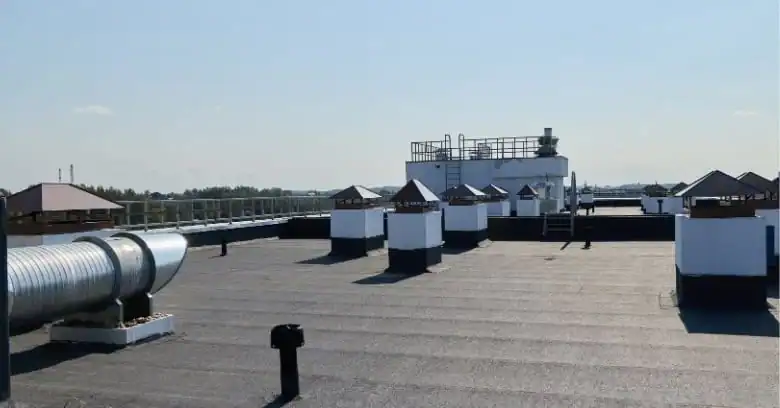
Need EPDM Roof Installation Near Grover Beach California?
Creative Roofing handles the seams, drains and edges where a flat roof succeeds or fails, from Grover Beach California out to the surrounding area.
Phone 805-723-2381 and we will explain the options for a level roof.
How a Flat Roof Differs From a Pitched One
Where a pitched roof sheds rain in seconds, a level roof holds it for hours or days, so shingles are never the answer. A pinhole in a membrane or a gap in a seam lets in water that sits and keeps seeping, and it pays to think it through.
What Goes on a Low-Slope Roof
TPO and PVC are single-ply sheets that are welded at the seams with hot air, creating a continuous waterproof surface, and installation requires trained hands. The big rolls of rubber cover large areas with few seams, and punctures can be patched with the same materials. The multiple plies mean that a flaw in one layer is backed up by the next, and repairs can be made in place.
Following the Water to Its Source
Seams, corners, edges and penetrations are where problems begin on a low-slope surface, and shortcuts miss the trouble. Parapet caps and copings protect the top of the wall and must be sound, and the work is simple for a roofer.
When Water Will Not Leave
Rain here often comes in sudden bursts that test every flat roof drain, so check drains before the rains begin. A new roof is the best time to correct drainage problems for good, and it extends the life of the whole system.
How Heat Wears a Low-Slope Roof
Ultraviolet light and heat are the main forces that age the surface of a low-slope roof in this region, and it is easy to overlook. A coating adds a protective layer and can seal small cracks and seams, and a coating cannot rescue a roof that is wet inside.
Vents, Pipes and Rooftop Units
Boots, pitch pockets and flashing collars around pipes must be sound and sealed, and the sealant at each one ages in the sun. Walkway pads cost little and save the membrane from scuffing and punctures, and a quick look after any service visit catches new damage.
Repair, Recoat or Replace
Targeted repairs buy time and protect the interior while a bigger plan is made, and temporary fixes should be called what they are. Adding a new membrane over an existing one is possible in some cases and saves removal costs, and an honest answer starts with a survey. Replacing wet insulation restores the performance of the roof and the comfort of the rooms below, and it should be planned rather than rushed.
Small Flat Roofs With Big Responsibilities
Many homes combine a pitched main roof with flat sections at the back or the sides, and the two meet in a joint that needs careful flashing, and the repair needs a roofer who works with membranes. Siding, stucco and trim all have to be worked into the flashing, and the roofer has to cooperate with whoever finished the wall, and a thorough repair covers the whole junction. Before adding weight or furniture to a flat roof, it is wise to confirm that the structure and the membrane can carry it, and the details are worth a closer look.
Energy and the Low-Slope Roof
Rooms beneath a flat roof often feel warmest in late afternoon, when the surface has soaked up a full day of sun, and a light-colored membrane adds to the benefit. Water that gets into the insulation layer spreads sideways, so the damp area can be much larger than the visible stain on the ceiling, and that is worth keeping in mind.
A Simple Maintenance Calendar
The best time to look at a flat roof is at the end of the dry season, when leaves and debris have piled up and the rains are about to test every drain, and call a roofer if anything looks suspicious. Standing water that remains for days after rain is worth reporting, even if no leak has appeared yet, and call early rather than late.
Edges Take the Brunt
After a windy spell it is worth checking the perimeter from a ladder for loose trim, lifted seams and curling edges, and expect a specific answer. Ballasted roofs hold the membrane down with a layer of smooth stone or pavers instead of glue or fasteners, and the weight is part of the design, and the stone should be kept out of the drains. A careful roofer walks the roof beforehand and counts every penetration, then includes them all in the proposal, and point out anything unusual.
Curbs, Collars and Boots
Each opening is a separate detail, and each one should be listed in the written proposal, and loose sealant around a frame is a warning sign. Flexible parts crack in strong sun over a few seasons, which is why penetrations leak long before the membrane does, and a tidy roof is easier to maintain. A drain bowl that is sealed to the membrane with a clamping ring and sealant keeps water from creeping under the sheet at the outlet, so check them often in the rainy months.
Questions for a Flat Roof Contractor
Look for the manufacturer system and the type of seam, whether welded, glued or taped, so ask for the details in writing. The answers tell you more than a brochure or a website ever could, and notice who answers plainly.
Access, Fumes and Noise
The crew needs clear access to the roof, a place to set up the equipment and a path for removing old material without crossing living areas, and the disruption is brief compared with a leak.
Short Answers About Low-Slope Roofing
A flat roof is not doomed to leak, and one that is well built and looked after can serve a property for a very long time, and an honest opinion is the goal.
Ready to Look at Options
Owners weighing EPDM Roof Installation in Grover Beach California can begin by describing the building and the roof they have, so dial 805-723-2381 when it suits you. Calling before a problem becomes urgent makes it easier to compare options and schedules, so reach out whenever you are ready.
Verified

Verified
Verified
Verified






















