
Comparing Premium Shingle Roof Installations Serving Grover Beach California?
Creative Roofing works with layered shingles, starter strips, underlayment and ridge caps, throughout Grover Beach California and the neighboring communities.
Phone 805-723-2381 and ask about a shingle roof for your house.
What a Shingle Roof Is Made Of
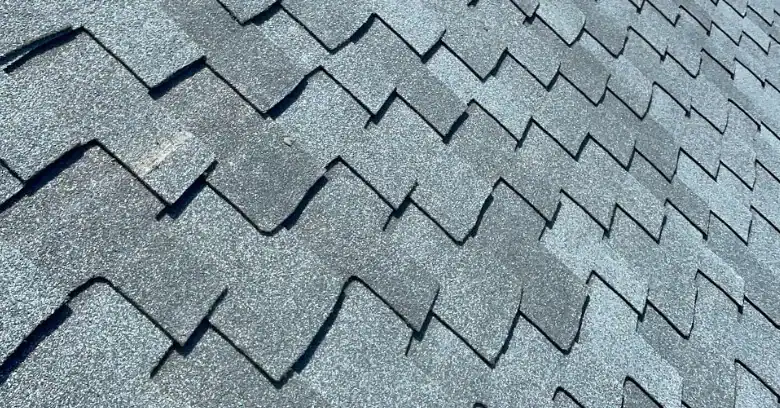
Each shingle is a thin sandwich of mat, asphalt and stone granules, and the granules protect the asphalt from the sun. The granules do more than add color, because they shield the asphalt from ultraviolet light, and the granules end up in the gutters.
Choosing a Weight and Style
A three-tab shingle has a flat, uniform look and the thinnest profile of any common type, and a little care goes a long way. Architectural shingles are made of two or more laminated layers that give the roof depth and shadow, and colors come in a wide range. Higher grades cost more, and the look is the main reason to pay for them, and the added weight is a benefit in wind.
Why Sunny Slopes Age First
Hot weather and strong sun dry the oils in asphalt, leaving the surface stiff and brittle, and the shaded side tells a different story. Blisters appear when trapped moisture or heat pushes up the surface, and each one is a place a leak can start.
Picking a Shade That Works in the Sun
Lighter shingles reflect more of the summer sun and keep the roof surface cooler, and a little care goes a long way. Special coatings on the granules help send solar heat away from the house, so ask for the product details and the rating.
How Shingles Are Laid
The nailing line printed on the shingle marks where fasteners must go for the best grip, so ask how many nails go into each shingle. The row at the eave is the most exposed to wind and water, which is why it gets special treatment, and that is worth keeping in mind. Special cap products are made to bend without cracking, and the ventilation opening below the cap should stay clear.
Holding Down Under Pressure
Seal strips need warmth to activate, which is why roofs installed in cool weather may take longer to bond, so the two work together. Pieces that blow off expose the underlayment, which is not meant to sit in the sun, and a roofer can reseal tabs with a dab of roofing cement.
Attic Ventilation and Shingle Life
Poor ventilation is one of the quietest causes of early shingle failure, and the plan should be part of the proposal. The right combination depends on the shape of the roof and the size of the attic, and that is worth keeping in mind.
The Details Beneath and Beside the Field
The shingles shed most of the water, but the underlayment handles the rest, and a better underlayment costs little in the whole job. Chimneys, walls and skylights need step flashing and counterflashing worked into the shingle courses, and a careful crew takes extra time at the details.
Spotting Trouble Early
A roof that sheds grit, lifts at the edges and shows dark patches is reaching the end of its life, and one sign alone may not mean much. Spot repairs are a good choice when most of the roof still has plenty of life left, so ask for photographs of the problem areas. Matching old shingles is difficult, so large repairs often look patchy, and that is worth keeping in mind.
Taking Off the Old Shingles
Removing every old layer is the usual starting point, since it exposes the deck and shows whether anything underneath needs repair, and the bare deck is also the moment to check ventilation openings. Putting a second layer on a tired roof can trap heat and moisture between the layers and shorten the life of both, and the decision deserves a little thought. Damaged decking is the most common surprise on a roofing job, and a good proposal says how it will be handled, so ask how surprises will be handled.
What the Site Should Look Like at the End
Protecting the house is part of the work, not an extra, and the plan should say how landscaping and windows will be shielded, so ask how the yard will be protected. Rolling magnets across the lawn, the driveway and the planting beds collects what a rake and the eye miss, and point out anything that was missed. A new shingle roof sheds a little loose grit in its first months, and some of it ends up in the gutters, and it pays to think it through.
Dry Months and Warm Days
Shingle work goes best in dry, mild weather, when the sealing strips bond quickly and the crew can leave the roof open without worry, and the calendar is only part of the question. On a scorching day the surface of a roof becomes too hot to handle, and the asphalt softens enough to mark if walked on carelessly, so an early arrival is nothing to worry about.
Coordinating With Other Trades
A re-roof is the right moment to replace worn skylight curbs, chimney flashing and cracked sealant, before they cause trouble, and mention any plans to add more later. Replacing a roof beneath an existing array is a coordination job involving the roofer and the solar company, so ask both contractors how they would proceed.
Matching Shingles After a Repair
Manufacturers change colors and blends over time, so an exact match for a discontinued shingle may simply not exist anymore, and place the repair where it is least visible.
Protecting the Fascia and the Foundation
A drip edge along the eave and the rake guides water into the gutter and keeps it from running behind the fascia, where it would rot the wood, so look at them before the work starts.
Apples to Apples
The written scope should list tear-off, deck repair, ventilation and cleanup, and read them slowly. Ask how many layers of old roofing will be removed and how the deck will be inspected, and the answers are worth writing down.
Talk to Us About a Shingle Roof
Those comparing Premium Shingle Roof Installations in Grover Beach California can reach us by phone, so use 805-723-2381 to set up the next step. Calling before a problem becomes urgent makes it easier to compare materials and schedules, and we are glad to help you sort it out.
Verified

Verified
Verified
Verified






















