
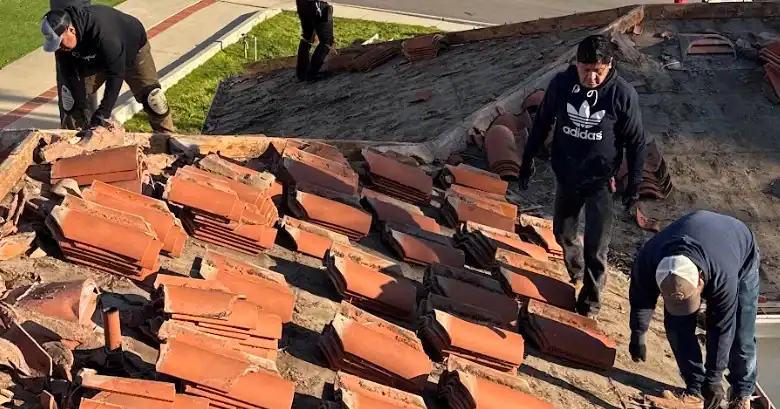
Thinking About Clay Tile Roofer Services Around Grover Beach California?
Creative Roofing knows how to walk a fragile surface, find the broken piece and replace it cleanly, from Grover Beach California out to the surrounding area.
Ring 805-723-2381 to talk through what a tile roof needs.
Clay and Concrete Units in Plain Terms
The surface you see is only the first line of defense on a roof like this, so the layers below matter more than most people expect. Both materials resist fire, which has made them popular where wildfire is a concern, and the look varies enormously.
Checking the Rafters Before Choosing
The weight of the roof is the first question to settle before changing from lighter material, so a visual check is where the process begins. Even a roof originally built for heavy units can lose strength over time if water has damaged the wood, and a careful contractor raises the issue unprompted.
Felt, Membranes and Battens
Beneath the visible surface lies a waterproof membrane that does the hard work, so even a good surface can hide a tired layer. A roof can look perfect from the street and be failing underneath, and that is why age matters as much as appearance.
Sun, Heat and Dry Summers
The heavy mass of the pieces absorbs heat during the day and releases it slowly at night, and the weight helps with wind as well. Concrete may chalk or fade after long exposure, and a clean surface may need a sealer or fresh paint, and a little care goes a long way.
What Goes Wrong on the Surface
A piece cracks when someone steps on the wrong spot, and many are broken by workers on the roof for other reasons, so a close inspection from the roof is the only reliable method. A short inspection after any work on the roof catches damage early, and it is easy to overlook.
Where Pieces Meet Walls and Each Other
Valleys carry the most water on a roof, and the metal channel beneath the pieces must be sound, and a hurried job shows up in the first heavy rain. Dry-set ridge systems replace mortar with clips and are easier to maintain, so look for loose or missing cap pieces.
Holding Heavy Pieces in Place
The method of attachment depends on the slope, the wind exposure and the local rules, and local rules in windy areas may require specific fastening. A tight installation with proper closures resists embers better than a loose one, and clean valleys are important.
Deciding What an Aging Roof Needs
Many of these roofs are restored two or three times over the life of the building, so ask for an assessment of the underlayment. Replacing the covering gives the chance to upgrade the structure, the ventilation and the details, and a good roofer will lay them out plainly.
How Units Are Bedded and Secured
Each fastening method has strengths, and the choice depends on the slope, the wind exposure and the local rules, and the method should be named in the proposal. A missing eave closure is easy to spot from the ground as a dark gap along the lower edge of the roof, so these small parts deserve attention.
Moss, Stains and Keeping the Surface Clean
Dust, pollen and shade can leave a roof of this type looking dull and streaked, even when it is perfectly sound, and the result can be striking. Cleaning is not a substitute for repairs, but it often reveals cracked pieces that were hidden by grime, and fix any breakage before the rains.
Underlayment Choices and Upgrades
Choosing a durable underlayment is one of the best investments in a long-lived roof, since it is the layer that has to outlast the rest, and that is worth keeping in mind. Combining a sturdy base layer with extra protection at critical points gives a roof two lines of defense, and the extra layer is inexpensive protection.
Solar Panels, Skylights and Heavy Roofs
Each penetration through the covering is a place where a unit must be cut, and cut pieces are more likely to crack later, and ask who is responsible for the seals. Satellite dishes, antennas and holiday lights are small additions that can break units if the installer is careless or the fasteners are driven in the wrong place, and replacing a unit is far cheaper than repairing the leak. A valley that is clogged with leaves and needles can send water sideways under the units, which they are not designed to handle, so make valleys the first stop on any check.
Picking the Right Unit for the House
Cast from cement and sand, concrete units take their color from pigment in the mix or from a coating applied to the surface, and the difference shows up in the details. Profiles vary from the rounded barrel shape seen on Spanish and Mediterranean homes to flat slabs and interlocking designs that look like slate or shake, so hold them against the house.
Questions Worth Asking
Look for details on the underlayment type, the valley metal and the ridge system, and a clear proposal reflects a careful crew. Find out whether the crew has experience on heavy roofs and can show examples of finished work, and a confident contractor will welcome them.
What Happens on Site
Each section of the roof is stripped down to the underlayment, repaired and covered with fresh waterproofing before the units go back, and the crew has to be careful with every piece.
Preparing for Dry Winds and Embers
Before the dry season peaks, a quick walk around the house with binoculars can show broken units, loose ridge pieces and debris piled in the valleys, and that is worth keeping in mind.
Documenting the Work for the Future
A note of the underlayment type, the flashing metal and the fastening method helps any roofer who works on the roof later, so ask the roofer for copies.
Talk to Us About Your Roof
Homeowners weighing Clay Tile Roofer Services in Grover Beach California can begin by describing the house and the roof they have, so use 805-723-2381 to set up the next step. Calling before a problem becomes urgent makes it easier to compare materials and schedules, and the roof will tell the story once someone looks.
Verified

Verified
Verified
Verified






















