
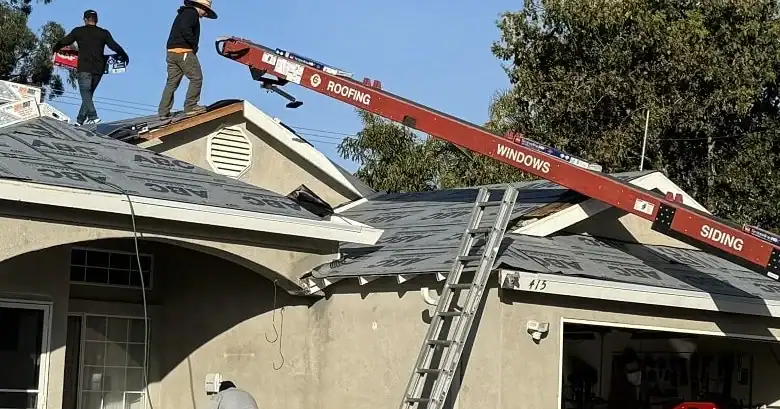
Planning New Roofs for a Home in Atascadero California?
Creative Roofing takes a roofing job from the first look to the last sweep of the yard, across Atascadero California and the neighboring communities.
Phone 805-723-2381 to start a conversation about the roof over your head.
Day One of a Roof Project
Every roofing job starts with someone climbing up to see what is actually there, and that is worth keeping in mind. The roofer checks the surface, the flashing, the vents and the gutter line, then the attic if it can be reached, and it pays to think it through.
Months of direct sun take a steady toll on whatever covers a house, so the south and west slopes get the closest attention.
Setting the Scope of Work
Some roofs need a patch, some need a section redone, and some have reached the end of the road, and the reasons should be easy to follow. Ask to see the problem areas, either in photographs or from the ladder, and a good roofer expects the question.
Hidden damage found during tear-off is the usual reason a project grows beyond its first outline, and nobody should be surprised when it happens.
Picking a Roof Covering
Asphalt shingles, concrete or clay tile and standing seam metal are the coverings most often put on homes here, and the style of the neighborhood often plays a part. Color deserves more thought than it usually gets, and a full-size piece seen outdoors beats a catalog picture.
Timing the Work
For most of the year the weather here lets a roof go on with few interruptions, and temporary dry-in layers keep the house safe overnight. Heat affects the work as well, and finishing early keeps people and materials in better shape.
Removing the Old Roof
Taking the old roof off is the noisiest and messiest part of the job, so landscaping and windows are covered before the first piece comes up. Soft or split sheathing is cut out and new panels are fastened down, because new material is only as good as what it is fastened to.
The Hidden Layers
Beneath every roof is a membrane that catches whatever the surface lets through, so self-adhering membrane goes where leaks tend to begin. With the barrier in place the roof can shed rain even before the covering is finished, so the rest of the work can proceed without worry.
Where Roofs Meet Walls and Pipes
The places where a roof is interrupted are the places most likely to leak, and it pays to think it through. Vent boots and pipe collars are rubber or lead pieces that wear out before the roof does, so replacing them along with the roof removes a predictable problem.
Keeping the Attic Cooler
A roof without enough ventilation bakes the attic and everything stored in it, and the details are worth a closer look. More vents are not always better, because intake and exhaust have to be balanced, and it is easy to overlook.
Wrapping Up
When the last piece is installed, the cleanup begins, and a magnetic sweep picks up stray nails. Questions are easier to settle while the crew is still on site, and it only takes a few minutes.
Approvals Before the Work Starts
Replacing a roof usually involves the local building department in some way, and the process is easier when someone handles it for you. Fire safety rules in some neighborhoods affect which coverings are allowed, and the proposal should reflect them. Written proposals should describe the materials, the scope and the cleanup in plain words, and it is worth reading it slowly.
Protecting the House and Yard
The ground around a house takes a beating during a roof project, and a careful crew sets them before the work begins. Pets, children and cars are best kept away from the work area, and keep a path clear for deliveries. The attic gets dusty during tear-off, and anything stored there will notice, so it is wise to take down fragile pictures first.
The Few Days of Commotion
A new roof usually takes a few days for an average house, though weather and size change that, and the details are worth a closer look. Dumpsters and trucks may take up space on the road, so a friendly note goes a long way. Pets are often the ones most bothered by the commotion, and everything returns to normal once the crew packs up.
A Short List for Comparing Proposals
Find out who will be on the roof and who will be in charge of the job, and anything left vague deserves a follow-up. A proposal that only says shingles or tile is not specific enough, and a little care goes a long way. Surprises are normal, and a process for them is a sign of a well-run job, and settle it before the first day.
Keeping a Roof in Good Shape
Checking the roof twice a year takes only a few minutes, and the best times are before the rainy season and after the first big storm. Debris on the roof holds moisture and wears the surface, and it protects the investment you just made. Missing pieces, lifted edges or a new stain are all reasons to have someone look, so do not wait for the next storm.
Choosing the Right Season
Waiting for the first storm to find the weak spot means hiring in a hurry, so a few weeks of lead time is common. Any month can work with the right planning and a willingness to move a day, and the best season is often the one that fits your calendar.
Roof Work and Your Attic
Looking at the roof from inside the attic before the work begins reveals water stains, damp insulation and daylight where none should enter, so ask the roofer to look inside as well.
Talk to Us About Your Roof
Sorting out New Roofs in Atascadero California is easier with someone who can look at the house, and the number is 805-723-2381. Every roof is different, so every conversation starts from the house itself, and an early conversation costs little. The decision often feels bigger before the call than it turns out to be, and nobody will rush you.
Verified

Verified
Verified
Verified






















