
Looking for Residential Roofing Maintenance Serving Atascadero California?
Creative Roofing covers each step of putting a new roof on a house, for homes in Atascadero California and the towns around it.
Reach out at 805-723-2381 and tell us what has you thinking about the roof.
Where a Roofing Job Begins
A roofing project begins with a close look at the surface, the edges and the pipes, since guessing from the ground leads to surprises later. A proper look covers the slopes seen from the yard and the ones that are not, and each one goes into the notes.
Heat is the quiet cause behind much of the wear seen on roofs here, and a roofer who knows the area expects exactly that.
Deciding What the Roof Needs
The right answer depends on how much sound material is left on the house, and the recommendation should come with the reasons attached. A roofer who explains the reasoning in plain terms is easier to trust with the work, since the plan should make sense to the person paying for it.
When the decking underneath is damaged, the scope of the job grows, and nobody should be surprised when it happens.
Matching the Covering to the House
Asphalt shingles, concrete or clay tile and standing seam metal are the coverings most often put on homes here, but the framing and the slope decide more than preference does. Lighter colors reflect more of the summer sun, while darker ones soak it up, and that is worth keeping in mind.
When the Crew Can Work
Rain arrives in bursts, and a roof that is open when one comes needs protection, and a careful crew never leaves an opening to chance. Roof surfaces get hot enough in July to change how materials behave, and finishing early keeps people and materials in better shape.
Getting to a Clean Surface
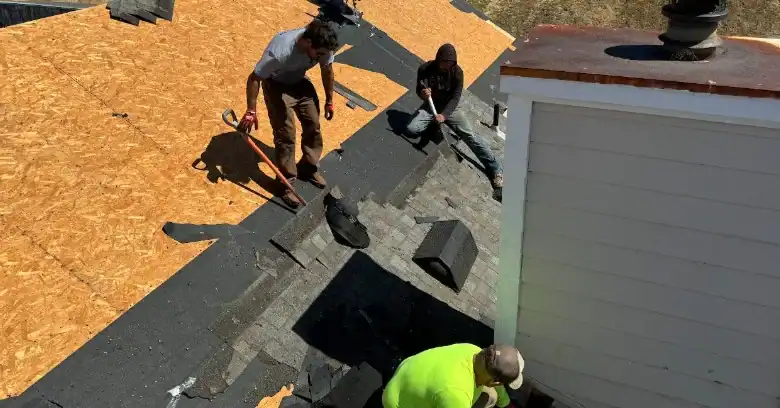
The existing covering is stripped away and the deck is left exposed for inspection, and magnets and rakes pick up the nails that fall. Repairs to the deck happen now, before anything new is installed, and it is easier to fix now than after the roof is finished.
Waterproofing Beneath the Surface
Much of the protection a roof offers is out of sight, and it is easy to overlook. Once the underlayment is down, the house is considered dried in, so the rest of the work can proceed without worry.
Details That Decide Whether It Leaks
Flashing is the thin metal that keeps water out where the roof meets something else, and the cost is small next to the roof it protects. Pipe seals made of soft materials fail early in strong sun, so replacing them along with the roof removes a predictable problem.
Air Under the Roof
Heat collects in the space beneath the roof deck unless it has somewhere to go, so vents near the ridge give the hot air a way out. Mixing vent types without a plan can short-circuit the airflow, and it is easy to overlook.
Leaving the Property Clean
Once the roofing is done, the property has to be put back in order, and covers come off the landscaping and the beds are inspected. A walk around the finished roof with the roofer is a reasonable thing to ask for, so keep the paperwork and pictures together.
Permits and Paperwork
Local requirements shape the job before the first shingle is touched, and a little care goes a long way. Wildfire concerns have changed what many local codes ask of a roof, so ask how the plan meets the rules for your street. A clear proposal lists what will be removed, what will be installed and what happens if the deck needs work, so keep a copy where you can find it.
Shielding Windows, Plants and Patios
A roofing job puts a lot of weight, noise and debris around a house, and it is reasonable to ask how this will be done. The area under the eaves is the one to avoid, and a short talk the evening before covers the details. Inside the house, vibration can shake items from shelves and loosen attic insulation, so it is wise to take down fragile pictures first.
Disruption and How to Manage It
A new roof usually takes a few days for an average house, though weather and size change that, and nobody can promise a date through a rain delay. Roof work is loud, and the street will hear it, and the whole thing is over sooner than it seems. Working from home during a roof job is possible, though not always pleasant, and everything returns to normal once the crew packs up.
Questions That Reveal the Difference
Find out who will be on the roof and who will be in charge of the job, and listen to how the answer is given. Knowing exactly what is going on the house removes a common source of disputes, so ask before you sign anything. A change in scope should be written down and approved before the work continues, and keep the discussion friendly but specific.
Looking After a New Roof
Even a new roof benefits from an occasional look from the ground, so put it on the calendar like any other chore. Sweeping leaves off the roof and out of valleys prevents trouble, and a small broom is often enough. Call a roofer after a major wind event or if you see a stain on a ceiling, and it is far easier to repair than to rebuild.
When to Schedule the Work
Many homeowners wait until a leak appears before they think about a roof, and the schedule fills quickly once the rains end. Any month can work with the right planning and a willingness to move a day, and the best season is often the one that fits your calendar.
Checking the Space Beneath the Deck
Rust on the points of roofing nails and dark patches on the sheathing are signs that moisture has been present for some time, so ask the roofer to look inside as well.
Getting Started in Atascadero California
Sorting out Residential Roofing Maintenance in Atascadero California is easier with someone who can look at the house, and the number is 805-723-2381. Whether the job is a small section or a whole house, the questions are much the same, and the roof will tell the story once someone looks. The sooner the roof is looked at, the more choices you tend to have, and nobody will rush you.
Verified

Verified
Verified
Verified






















