
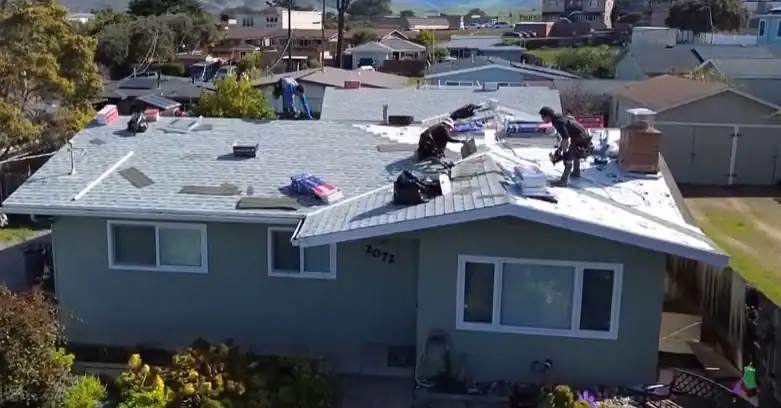
Thinking About New Roofing Maintenance Near Atascadero California?
Creative Roofing walks a household through every stage of a roofing project, working in Atascadero California and nearby.
Ring 805-723-2381 to set up a time for someone to look at the roof.
Where a Roofing Job Begins
The first visit is about gathering facts rather than picking a product, since guessing from the ground leads to surprises later. Loose granules, lifted edges, cracked flashing and soft spots all say something about the layers below, so the visit usually takes longer than people expect.
Sunny slopes and shaded slopes tell different stories, and both matter, so the wear is rarely even from one side to the next.
What Should Actually Be Done
Not every worn roof needs replacing, and not every leak is a small one, and an honest roofer will say which one applies. Findings that cannot be pointed to are findings worth questioning, since the plan should make sense to the person paying for it.
Hidden damage found during tear-off is the usual reason a project grows beyond its first outline, and nobody should be surprised when it happens.
Picking a Roof Covering
Asphalt shingles, concrete or clay tile and standing seam metal are the coverings most often put on homes here, since heavy coverings need a frame built to carry them. Color deserves more thought than it usually gets, and that is worth keeping in mind.
The Calendar and the Forecast
For most of the year the weather here lets a roof go on with few interruptions, and it pays to think it through. The temperature on the roof can run well above the temperature in the shade, and the plan bends to the heat rather than the other way around.
Getting to a Clean Surface
Old roofing comes off in layers, down to the bare decking, and the details are worth a closer look. Soft or split sheathing is cut out and new panels are fastened down, since good materials laid over a weak deck do not last.
Protection Under the Covering
The first layer laid over the deck is a barrier against moisture, and metal edging is set at the eaves and rakes before the covering. With the barrier in place the roof can shed rain even before the covering is finished, and that is worth keeping in mind.
Flashing and the Fiddly Parts
Chimneys, skylights, vent pipes and walls all need flashing worked into the roof, so fresh metal is standard practice among careful crews. The seal around a vent pipe rarely lasts as long as the surface around it, so this is an easy step to ask about.
Intake and Exhaust
A roof without enough ventilation bakes the attic and everything stored in it, and vents at the eaves let cooler air in. Mixing vent types without a plan can short-circuit the airflow, because airflow is easy to plan now and hard to add later.
The Last Day on Site
Final cleanup means more than a quick sweep, and covers come off the landscaping and the beds are inspected. Keeping a short record of the materials used helps with later maintenance, so keep the paperwork and pictures together.
What the City Wants to See
Municipal offices have their own expectations for roof work, so it is fair to ask who pulls the permit. Fire safety rules in some neighborhoods affect which coverings are allowed, so ask how the plan meets the rules for your street. A proposal that names its materials and steps is easier to compare, so keep a copy where you can find it.
Shielding Windows, Plants and Patios
A busy work site needs boundaries, so tarps and plywood go down where debris will land. Cars parked in the driveway can be struck by falling nails or pieces of shingle, and it pays to think it through. Light fixtures and wall hangings can shift when a roof is being removed above them, so it is wise to take down fragile pictures first.
Noise, Neighbors and Daily Life
A simple roof may go quickly while a complicated one takes longer, and the crew should give you a realistic window. Informing nearby households is a courtesy that pays off, and the whole thing is over sooner than it seems. Household routines bend a little while the work is under way, and a plan for the loud days makes them easier.
Questions That Reveal the Difference
Find out who will be on the roof and who will be in charge of the job, since confident answers come easily to people who do this daily. Product names and thicknesses on the proposal let you compare like with like, so ask before you sign anything. The way a roofer handles the unexpected says a lot about the whole operation, and keep the discussion friendly but specific.
Small Habits That Extend Roof Life
Even a new roof benefits from an occasional look from the ground, and binoculars make the job easy. Sweeping leaves off the roof and out of valleys prevents trouble, and it protects the investment you just made. Call a roofer after a major wind event or if you see a stain on a ceiling, so do not wait for the next storm.
Spring, Summer or Fall
Waiting for the first storm to find the weak spot means hiring in a hurry, so a few weeks of lead time is common. Any month can work with the right planning and a willingness to move a day, and the best season is often the one that fits your calendar.
Checking the Space Beneath the Deck
Insulation in the attic that is compressed, wet or missing should be noted, since a new roof is a good time to fix the whole assembly, and bring a flashlight if you can.
Next Steps for Your Roofing Project
Anyone researching New Roofing Maintenance in Atascadero California is one call away from a straight answer, and the number is 805-723-2381. The size of the project changes the schedule but not the principle, and that is worth keeping in mind. Taking the first step is usually the hardest part of any home project, and nobody will rush you.
Verified

Verified
Verified
Verified






















