
Weighing Built Up Roofs Near Arroyo Grande California?
Creative Roofing knows how a roof without a pitch is built, why it leaks and how to make it last, throughout Arroyo Grande California and the neighboring communities.
Dial 805-723-2381 and tell us about the flat roof you have.
How a Flat Roof Differs From a Pitched One
A flat roof is never truly flat, but its slope is so slight that water drains slowly and lingers, and the quality of the seams decides everything. A pinhole in a membrane or a gap in a seam lets in water that sits and keeps seeping, so it pays to hire people who work on flat roofs regularly.
Membranes, Built-Up Layers and Coatings
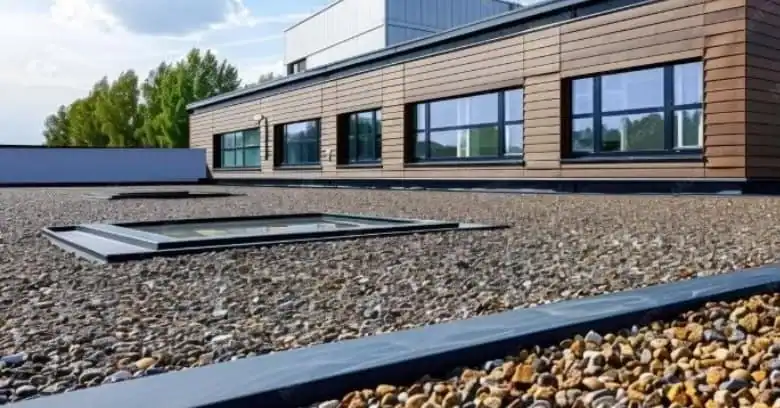
TPO and PVC are single-ply sheets that are welded at the seams with hot air, creating a continuous waterproof surface, and the quality of the welds is the main concern. Black EPDM absorbs heat, while a white version reflects more of the sun, and punctures can be patched with the same materials. Gravel surfacing on a built-up roof protects the layers from sun and foot traffic, and the gravel hides the condition of the membrane.
Seams, Corners and Terminations
A careful look at the details finds most of what is wrong, and the field is checked last. Termination bars and sealant hold the top edge of the membrane against the wall, and redoing sealant is routine upkeep.
Ponding, Drains and Rain Bursts
Puddles that remain a day or two after rain signal that water is not leaving the roof as it should, and a little care goes a long way. A new roof is the best time to correct drainage problems for good, and a roofer can map the low areas.
Sunshine, Heat and Aging
A flat roof faces the sky all day, and the sun heats it far more than a steep roof ever experiences, and a reflective finish lowers that stress. Reflective surfaces keep rooms below cooler and may reduce the load on air conditioning, so cleaning and repair come first.
Foot Traffic, Equipment and Penetrations
Skylights and hatches add edges that need careful flashing, and it pays to think it through. A roof used as a patio or deck needs a protective layer or pavers, and a plan for traffic keeps the roof sound.
What a Roof Can Still Do
Localized seams, flashings and punctures can be fixed without touching the rest of the roof, and the key is an accurate diagnosis. Adding a new membrane over an existing one is possible in some cases and saves removal costs, and wet insulation rules out a quick fix. Replacing wet insulation restores the performance of the roof and the comfort of the rooms below, and ask about drainage improvements in particular.
Patios, Garages and Modern Homes
Owners of older homes often discover that an addition from a previous decade was finished with a membrane that has long since worn out, so ask whether the company handles low-slope work regularly. A low roof meeting a taller wall is among the most leak-prone details on a house, and it deserves close attention, and a thorough repair covers the whole junction. A roof used as living space has to meet higher standards than one that nobody walks on, and the details should be planned with the whole project.
Heat Gain and Thermal Layers
Insulation values and reflective finishes work together to keep the space below comfortable, and it is easy to overlook. Cutting a small test square is another way to check, and it is sealed again as part of the same visit, and that is worth keeping in mind.
Small Habits That Prevent Big Leaks
A check in early autumn catches clogged drains, lifted seams and cracked sealant before the first storm tests them, and a small repair now is nearly always cheaper. A stain on a ceiling after a storm is a clear signal to have the roof inspected before the next one arrives, and cover furniture beneath a drip.
Wind, Edges and Fastening on a Level Roof
Whether a membrane is fully adhered, mechanically fastened or held down by ballast, the edges are the place where the installation either succeeds or fails, and a little care goes a long way. Stones that have been scattered by wind or foot traffic leave bare patches that expose the membrane to ultraviolet light, and the stone should be kept out of the drains. Walkways, curbs and equipment supports need to be flashed and fastened as part of the membrane, and the details on a crowded roof take real time to do properly, and point out anything unusual.
Curbs, Collars and Boots
Replacing a worn skylight and its curb flashing together with the roof is far cheaper than doing the two jobs separately, and that is worth keeping in mind. A roofer who plans the layout of penetrations before the work starts usually delivers a drier roof, and mark each one on a sketch. Overflow scuppers set slightly higher than the main drains act as a safety valve when the primary outlet is blocked, and a little care goes a long way.
Reading Competing Bids
Look for the manufacturer system and the type of seam, whether welded, glued or taped, so ask for the details in writing. Find out how drainage will be addressed and whether tapered insulation is included, and trust the overall impression.
What to Expect on the Days of the Work
Workers on a low-slope roof often arrive early, because the surface heats up quickly and some products behave better in the cool of the morning, and a short conversation beforehand covers the details.
Questions Owners Often Ask About Level Roofs
Plenty of owners assume a membrane has to be replaced at the first sign of wear, when a repair or a coating would have done the job, so do not hesitate to ask.
Start the Conversation
People researching Built Up Roofs in Arroyo Grande California are welcome to call with questions, so dial 805-723-2381 when it suits you. Whether the roof is leaking now or you are planning ahead, an early conversation keeps your options open, and the roof will tell the story once someone looks.
Verified

Verified
Verified
Verified
Verified






















