
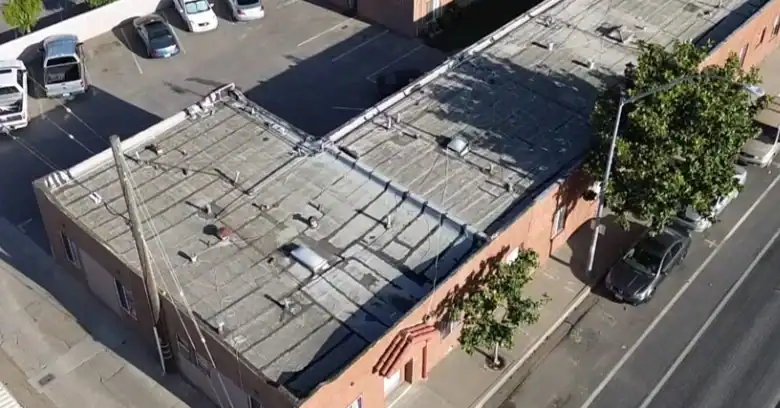
Sourcing Commercial Roofs in Arroyo Grande California?
Creative Roofing works on the roofs of shops, offices, warehouses and apartment buildings, serving owners and managers across Arroyo Grande California.
Contact us at 805-723-2381 to arrange a visit to the property.
Roofs Over Businesses
Low slopes make a commercial roof a different problem from a house roof, and the tradesmen who work on them need specific experience. Where a house roof sheds water by gravity, a flat roof depends on seams and drains, and there is little margin for sloppy work.
Buildings also carry people, stock and equipment that a leak can ruin, and regular checks pay for themselves.
Common Low-Slope Roof Systems
Single-ply membranes such as TPO, PVC and EPDM are among the most common coverings on commercial buildings, and none of them is right for every building. Modified bitumen sheets are heated or adhered in overlapping layers to make a durable surface, and the layers add redundancy. Spray foam and fluid-applied coatings are also used in some situations, and each option has conditions where it works best.
Drains, Scuppers and Slope
Standing water is the most common enemy of a low-slope roof, and ignoring it tends to shorten the life of the membrane. Debris collects around drain strainers after the dry months and blocks them in the first storm, and the first heavy rain turns it into a plug.
Rooftop Equipment and Penetrations
Heating and cooling units, exhaust fans and vents sit on most commercial roofs, and many leaks start there rather than in the open field. Repeated traffic on an unprotected membrane leaves it thin and scuffed, and everyone benefits from the protection.
Reflective Roofs and Cooling Costs
Long dry summers expose a membrane to strong ultraviolet light month after month, and that is worth keeping in mind. A cooler roof surface lowers the strain on air conditioning in hot months, and it pays to think it through.
Small Jobs That Prevent Big Ones
A commercial roof lasts longest when someone looks at it regularly, and it gives you a record to show a buyer or lender. Photographs from each visit help track changes over time, and the results show up in fewer emergency calls.
Repair, Coat or Replace
Moisture surveys can show how much of a roof is truly wet inside, and a good contractor will show you what they found. Wet insulation stops insulating and adds heavy weight to the structure, and it is better to know the truth sooner.
Keeping the Business Running
Roofers often work in phases so a store can stay open, and noisy work can be timed around business hours. Fall protection is required on commercial roofs, and a professional crew uses it, and a safe site is also an efficient one.
Making Sense of Competing Bids
Two proposals that look alike on the surface can differ a great deal in the details, and the difference is often in what is not mentioned. Photographs and written records of the installation are useful for the owner, and keep it with the building records.
Where the Water Really Gets In
Water travels along decking, insulation and ductwork before it shows up on a ceiling, and that is worth keeping in mind. Most leaks start at a detail, not in the broad flat area of the membrane, and fixing the cause stops the leak for good. Testing helps decide whether a repair will hold or the roof needs more extensive work, so it is worth asking about on a larger roof.
Wind, Fasteners and Roof Edges
The edges and corners of a flat roof take the highest wind loads, and loose metal trim is an early warning. A strip of metal that has come away is an invitation for wind and water, and a small fix now prevents a large one later.
Where the Roof Meets the Building
A parapet is an extra wall that needs its own waterproofing on both faces, and the metal cap on top must stay sealed. Mortar joints and wall coatings are part of the roof story, so it helps to look at the wall as well as the roof.
Fluid-Applied Systems
A coating can seal small cracks, reflect sunlight and slow the aging of the surface, and the right product depends on the existing membrane. Coating over a wet roof is a common and costly mistake, and ask for the test results first.
When the Roof Covers an Acre
Big projects need a plan for storage, staging and phasing, and it is easy to overlook. Shared roofs raise questions about who is responsible and who pays, and tenants appreciate being kept informed. Apartment and multifamily buildings add residents, balconies and shared walkways to the mix, and good communication is part of the job.
Planning a Roof Budget Without Surprises
Treating the roof as an asset with a lifespan is the smart approach, so the information from maintenance visits feeds the budget. Choosing on the lowest initial figure alone can cost more over the life of the building, and weigh the trade-offs honestly.
Insulation Under the Membrane
The insulating layer is part of the roof system, not an afterthought, and wet boards lose most of their value. Adding a cover board is a common upgrade during a re-roof, and the result is a tougher roof. Tapered insulation can create slope on a roof that is otherwise dead flat, and it pays to think it through.
Getting a Roof Ready Before the Rains
Written notes from each seasonal visit build a record that helps with budgeting and with conversations about replacement, and a little care goes a long way.
Talk to Us About Your Building
Owners weighing Commercial Roofs in Arroyo Grande California can reach us by phone, so dial 805-723-2381 when it suits you. Whether the roof is leaking today or just getting old, an early look gives you more options, and we are glad to help you sort it out. Putting off a roof decision seldom makes it simpler, and describe what you are seeing. Property managers often juggle many buildings and appreciate clear, written answers, and that is worth keeping in mind.
Verified

Verified
Verified
Verified
Verified






















