
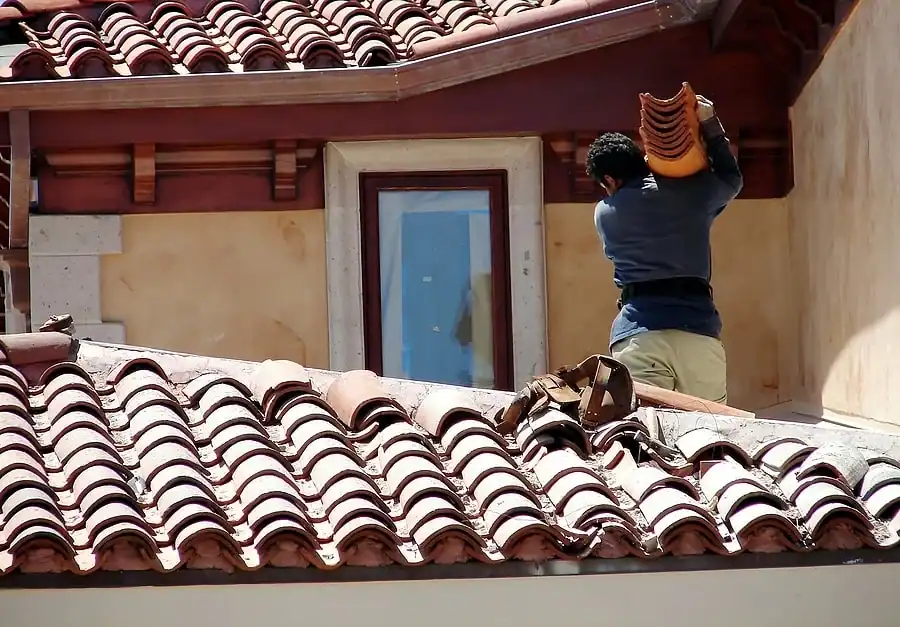
Thinking About Concrete Tile Roofers Around Arroyo Grande California?
Creative Roofing knows how to walk a fragile surface, find the broken piece and replace it cleanly, for homes in Arroyo Grande California and the towns around it.
Phone 805-723-2381 and we will explain what is involved.
A Heavy Covering With a Long History
Fired clay and molded concrete are the two materials used for the heavy, durable coverings found across the region, and that is worth keeping in mind. Each type comes in profiles from rounded barrels to flat slabs and interlocking shapes, so samples help with the choice.
Load and Support
Many houses built for tile are designed to carry it, while others would need reinforcement, and an engineer may be involved in a conversion. Replacing a lighter covering with a heavier one without checking the structure is a serious mistake, and the cost of that work belongs in the plan.
What Sits Beneath the Pieces
The membrane is out of sight, which is why it is easy to forget, and a re-lay is the chance to replace it. Sun and heat trapped under the units bake the underlayment for years, until it dries, cracks and fails, and that is why age matters as much as appearance.
Why Tile Suits Hot Weather
Clay and concrete handle strong sun far better than lighter coverings, which is a large part of their appeal here, and the color stays true for decades. Concrete may chalk or fade after long exposure, and a clean surface may need a sealer or fresh paint, and surface cleaning is far cheaper than replacement.
Walking on a Fragile Roof
A piece cracks when someone steps on the wrong spot, and many are broken by workers on the roof for other reasons, and waiting makes the repair more expensive. A short inspection after any work on the roof catches damage early, and keep spare pieces from the original installation.
Edges and Intersections
Every junction on the roof is a place where craft decides the outcome, and metal valleys should be replaced during a re-lay. The cap line at the top of the roof is one of its most exposed areas, and the repair is far less costly than water damage.
Wildfire Season and Fire Resistance
The method of attachment depends on the slope, the wind exposure and the local rules, and local rules in windy areas may require specific fastening. Embers do not ignite the pieces, though they can still collect in gaps and under the edges, and local rules may set requirements for roof assemblies.
Restoring a Roof Rather Than Starting Over
A re-lay means lifting the units, replacing the underlayment and flashing, and setting the pieces back in place, so ask for an assessment of the underlayment. Replacing the whole roof is the right call when the pieces themselves are failing, the framing is damaged or the style no longer suits the house, so it is a time to consider all the options.
Ridge Bedding and Edge Details
Each fastening method has strengths, and the choice depends on the slope, the wind exposure and the local rules, and be wary of mortar alone on a ridge. Replacing these strips during a re-lay is inexpensive, and it improves both fire resistance and cleanliness, and a little care goes a long way.
Dirt, Lichen and Cosmetic Wear
A gentle low-pressure wash can restore the appearance of a roof, but harsh pressure damages the surface and loosens the pieces, and a sealer can slow the return of stains. Soft washing with a mild solution and a gentle rinse removes growth without harming the surface, and a post-cleaning inspection is a good idea.
Selecting the Layer Beneath
Heavy felt, synthetic sheets and self-adhering membranes are the common options, and they differ in heat resistance and tear strength, and a thoughtful answer is a good sign. A sticky rubberized sheet seals around fasteners and clings to the deck, providing waterproofing even if the surface layer is breached, and the extra layer is inexpensive protection.
Solar Panels, Skylights and Heavy Roofs
Special hooks and flashing kits exist for these roofs, and an installer who uses them keeps the surface watertight, and a little care goes a long way. Every person who climbs onto a roof of this kind risks cracking something, so access should be limited to those who know how to walk it, so make it a habit to ask about the roof. Clearing debris from valleys before the rainy season is the simplest way to protect the underlayment beneath them, so make valleys the first stop on any check.
Weighing Clay Against Concrete
Natural clay generally keeps its color for a very long time, while a coated concrete surface can fade or chalk and may need refreshing, and compare how they look in daylight. Matching the profile to the style of the house is the first design decision, and it affects the cost and the installation method, so hold them against the house.
Comparing Tile Roofing Proposals
A thorough proposal names the material, the underlayment, the flashing and the method of attachment, and a little care goes a long way. Ask how the crew will handle the pieces, where they will be stored and how breakage will be managed, and the details are worth a closer look.
Planning a Re-Lay Step by Step
Work in stages keeps the house covered at the end of every day, so that a sudden rain does not find an open roof, and it is easy to overlook.
What to Do Before Summer Ends
Trimming branches back from the roof and keeping a clear margin around the house reduces the risk to the roof and the building, so make it part of the late-summer routine.
Keeping Track of a Long-Lived Roof
Passing these records to the next owner of the house adds real value and saves them a good deal of guesswork, and store them with the house papers.
Next Steps for Your Roof
Homeowners weighing Concrete Tile Roofers in Arroyo Grande California can begin by describing the house and the roof they have, so use 805-723-2381 to set up the next step. Whether the roof is leaking now or you are planning ahead, an early conversation keeps your options open, and the first step is just a phone call.
Verified

Verified
Verified
Verified
Verified






















