
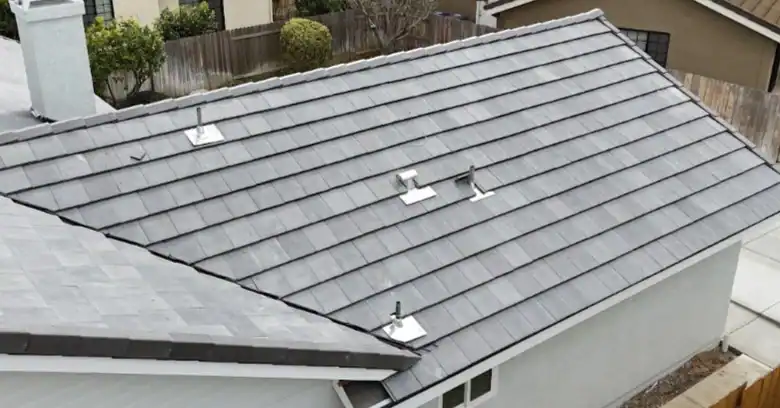
Considering Concrete Tile Roofs Throughout Arroyo Grande California?
Creative Roofing installs, repairs and re-sets the heavy, long-lived coverings found on many homes in the region, from Arroyo Grande California out to the surrounding area.
Dial 805-723-2381 and describe the roof and what you are seeing.
Clay and Concrete Units in Plain Terms
Fired clay and molded concrete are the two materials used for the heavy, durable coverings found across the region, and the real waterproofing sits underneath. Each type comes in profiles from rounded barrels to flat slabs and interlocking shapes, and it pays to think it through.
Weight, Framing and What the House Can Carry
Heavy coverings put real stress on rafters, trusses and walls, which is why the structure is checked first, so a visual check is where the process begins. A house that was built for shingles may not be safe under a full load of concrete, and a casual answer should give you pause.
Underlayment Is the Real Waterproofing
Many leaks on roofs of this kind begin with a failed underlayment, not with the pieces on top, and a membrane that has dried out is a common reason for leaks. The felt paper on older roofs becomes brittle and breaks when the pieces are lifted, and that is why age matters as much as appearance.
Sun, Heat and Dry Summers
The heavy mass of the pieces absorbs heat during the day and releases it slowly at night, and it pays to think it through. Concrete may chalk or fade after long exposure, and a clean surface may need a sealer or fresh paint, and it fades or washes off with time.
Cracks, Slips and Broken Pieces
A cracked unit lets water reach the underlayment, which is meant for backup rather than constant exposure, and waiting makes the repair more expensive. Satellite installers, painters and gutter cleaners are common causes of damage, and keep spare pieces from the original installation.
Where Pieces Meet Walls and Each Other
Flashing along walls, chimneys and skylights has to be formed and shaped by hand around each piece, and metal valleys should be replaced during a re-lay. Cracked and crumbling mortar along the ridge lets water and wind get under the cap pieces, and it deserves attention as the roof ages.
Wind, Fire and the Fastening Question
Nails, clips and foam adhesive are the common ways to secure units to the roof, and the attachment method should be in the proposal. Keeping the roof and gutters clear of leaves and needles is part of staying safe, so ask how gaps will be kept closed.
Options for a Tired Roof
Re-laying saves the cost of new material and keeps the original look of the house, so ask for an assessment of the underlayment. Spalling concrete, crumbling clay and widespread cracks are signs that the surface is at its end, so it is a time to consider all the options.
How Units Are Bedded and Secured
Cement bedding has been the traditional method for capping a ridge, but it is rigid and breaks as the roof flexes with temperature, and the method should be named in the proposal. Replacing these strips during a re-lay is inexpensive, and it improves both fire resistance and cleanliness, so these small parts deserve attention.
Looking After the Appearance
Cleaning should be done carefully by someone who knows the material, since walking on the roof is a risk to the units themselves, so consider it before deciding to replace. Soft washing with a mild solution and a gentle rinse removes growth without harming the surface, and a post-cleaning inspection is a good idea.
Selecting the Layer Beneath
High-temperature rated products suit the hot conditions found beneath dark units on a sunny slope, and a thoughtful answer is a good sign. Battens that lift the units off the underlayment allow air to circulate and water to drain freely beneath the pieces, so look for it in the proposal.
Working Around Obstacles
Each penetration through the covering is a place where a unit must be cut, and cut pieces are more likely to crack later, and a little care goes a long way. Service technicians for air conditioning and chimney sweeps should be told to step only where the roof can bear a person, and inspect after every visit. Clearing debris from valleys before the rainy season is the simplest way to protect the underlayment beneath them, and the dry season is the time to do it.
Choosing Between Clay and Concrete
Cast from cement and sand, concrete units take their color from pigment in the mix or from a coating applied to the surface, and the better choice depends on the house and the budget. Samples of full-size pieces on a roof model show more than a catalog photograph ever can, and think about the neighbors as well.
Comparing Tile Roofing Proposals
A thorough proposal names the material, the underlayment, the flashing and the method of attachment, and compare two bids line by line. Ask how the structure will be checked and what happens if damage is found, and a confident contractor will welcome them.
How a Restoration Proceeds
Work in stages keeps the house covered at the end of every day, so that a sudden rain does not find an open roof, and the crew has to be careful with every piece.
What to Do Before Summer Ends
Pieces that are cracked or slipped leave gaps, and in a region with wildfire season, gaps are where embers find a way into the roof, and a roofer can check them quickly.
Records, Photographs and Spare Pieces
Photographs taken during the work show what lies under the units, which is a view that nobody sees again for decades, and it pays to think it through.
Talk to Us About Your Roof
Those comparing Concrete Tile Roofs in Arroyo Grande California can reach us by phone, and the number is 805-723-2381. Even a quick call can clear up questions about underlayment, repairs and timing, so reach out whenever you are ready.
Verified

Verified
Verified
Verified
Verified






















