
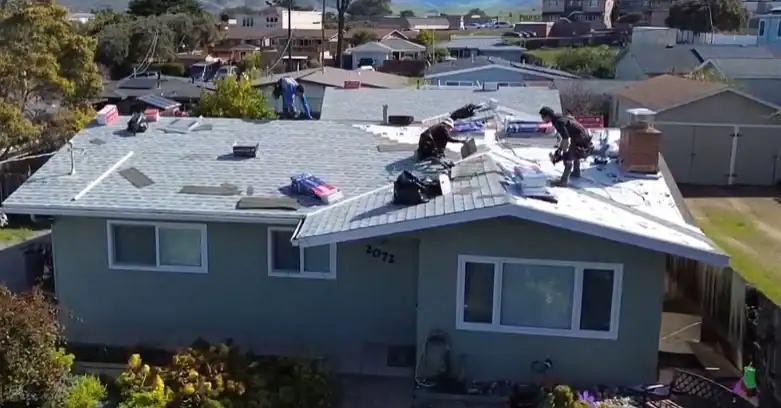
Weighing Reroofing Contractors for a Home in Arroyo Grande California?
Creative Roofing walks a household through every stage of a roofing project, from Arroyo Grande California out to the surrounding area.
Dial 805-723-2381 and we will talk through what the roof needs.
Where a Roofing Job Begins
Every roofing job starts with someone climbing up to see what is actually there, because the rest of the plan rests on the findings from that look. Loose granules, lifted edges, cracked flashing and soft spots all say something about the layers below, and each one goes into the notes.
Months of direct sun take a steady toll on whatever covers a house, and the sunniest side is usually the oldest-looking side.
Choosing How Far to Go
Not every worn roof needs replacing, and not every leak is a small one, and the details are worth a closer look. Ask to see the problem areas, either in photographs or from the ladder, and the answer tells you a lot.
When the decking underneath is damaged, the scope of the job grows, so a note on how it will be handled saves arguments later.
Shingle, Tile or Metal
Most houses here wear one of three coverings, and the choice shapes everything else, and the pitch of the roof narrows the field quickly. A roof that faces strong sun all afternoon behaves differently depending on its shade, so hold a sample against the house in daylight.
When the Crew Can Work
Roofing here follows the weather more than the calendar, and temporary dry-in layers keep the house safe overnight. The temperature on the roof can run well above the temperature in the shade, and the plan bends to the heat rather than the other way around.
Stripping Down to the Deck
Taking the old roof off is the noisiest and messiest part of the job, and protecting the driveway and plants is worth asking about. Once the deck is bare, any damaged boards are replaced, because new material is only as good as what it is fastened to.
What Goes Down First
Underneath the visible covering sits a water-resistant layer that does much of the work, and metal edging is set at the eaves and rakes before the covering. The house is safest once the second layer is complete, and the finished surface is installed over a sound base.
Small Metal Pieces, Large Consequences
The places where a roof is interrupted are the places most likely to leak, since worn metal under new material becomes the weak link. Vent boots and pipe collars are rubber or lead pieces that wear out before the roof does, and a little care goes a long way.
Ventilation in a Warm Climate
A roof without enough ventilation bakes the attic and everything stored in it, and a proper system draws air in low and sends it out high. The design of the system matters more than the number of vents, so ask how the attic will breathe once the work is done.
Finishing the Job
Final cleanup means more than a quick sweep, and that is worth keeping in mind. A walk around the finished roof with the roofer is a reasonable thing to ask for, and it makes future repairs and sales smoother.
The Paperwork Side of a Roof
Rules about reroofing differ from one city to the next, and a little care goes a long way. Certain hillside and edge-of-town areas follow stricter material rules than the valley floor, and a roofer working in the area should already know them. Written proposals should describe the materials, the scope and the cleanup in plain words, so compare any two side by side.
Looking After Your Property During the Work
Roof work is hard on landscaping unless it is planned for, and that is worth keeping in mind. Cars parked in the driveway can be struck by falling nails or pieces of shingle, and a short talk the evening before covers the details. Hammering on the deck above can rattle a ceiling and drop dust into the rooms below, and a sheet over stored boxes keeps the grit off.
The Few Days of Commotion
A simple roof may go quickly while a complicated one takes longer, and plan on some slack for the weather. Roof work is loud, and the street will hear it, and early starts mean early noise. The loudest stretch is the tear-off, and it passes quickly, and everything returns to normal once the crew packs up.
Questions Worth Asking Before You Agree
Ask how the roof will be ventilated and how the flashing will be handled, and listen to how the answer is given. The product line matters as much as the type of covering, and a good roofer will be glad you asked. Talk through how changes to the plan will be handled and agreed, and the details are worth a closer look.
Caring for the Roof Once It Is Done
Even a new roof benefits from an occasional look from the ground, and little problems stay little. Keep the gutters clear of leaves and needles, especially at the end of the dry season, and it protects the investment you just made. Waiting on a small problem usually makes it more expensive, so do not wait for the next storm.
Timing a Roof Project Through the Year
A roof replaced on purpose goes better than one replaced in a panic, and the schedule fills quickly once the rains end. Any month can work with the right planning and a willingness to move a day, and the covering you choose affects the timing as well.
Roof Work and Your Attic
Looking at the roof from inside the attic before the work begins reveals water stains, damp insulation and daylight where none should enter, so ask the roofer to look inside as well.
Ready When You Are
Sorting out Reroofing Contractors in Arroyo Grande California is easier with someone who can look at the house, and the number is 805-723-2381. Large or small, a roofing project goes best when the plan is clear before the work starts, and an early conversation costs little. A short conversation can turn a vague worry into a clear plan, and it pays to think it through.
Verified

Verified
Verified
Verified
Verified






















