
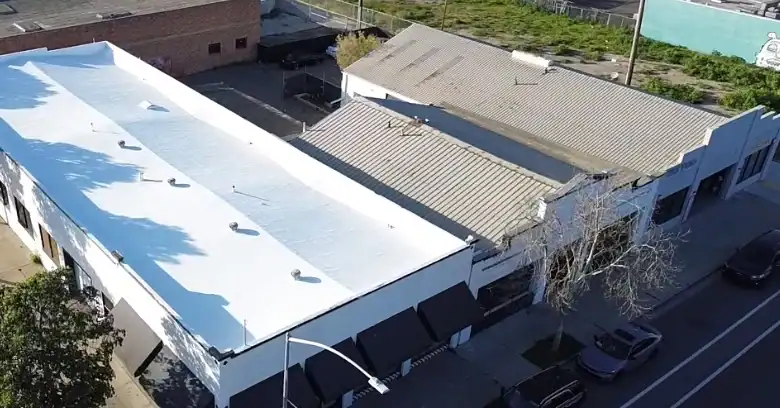
Researching Commercial Roofing Installation Around Atascadero California?
Creative Roofing plans roof work for owners and managers who cannot afford a disruption, throughout Atascadero California and the towns nearby.
Ring 805-723-2381 to talk through a commercial roof question.
What Sets a Commercial Roof Apart
A building roof is built around drainage and access rather than steep pitch, and the materials are chosen with that in mind. Waterproofing on a low slope comes from the sheet itself rather than from the angle, and it pays to think it through.
Water coming through a commercial roof can reach inventory, electrical gear and computers, and regular checks pay for themselves.
What Building Roofs Are Made Of
TPO, PVC and EPDM are the single-ply families most owners hear about, and the details are worth a closer look. Layered bitumen roofs remain common on buildings of every age, and the layers add redundancy. Standing seam metal panels cover warehouses, schools and retail buildings, and an honest contractor will explain the limits.
Drainage Is Everything on a Flat Roof
Ponding water speeds up wear and adds weight the structure has to carry, and a small amount of tapered insulation can fix ponding. Drains, scuppers and gutters collect water and carry it away from the building, so clearing drains is the cheapest maintenance on the list.
Air Conditioners, Vents and Curbs
Heating and cooling units, exhaust fans and vents sit on most commercial roofs, so those details deserve the most attention in an inspection. Repeated traffic on an unprotected membrane leaves it thin and scuffed, and a contractor can mark them on the roof.
Heat Over a Working Building
Long dry summers expose a membrane to strong ultraviolet light month after month, and that is why white and light membranes are so common. Owners often look at reflective roofing for the savings on cooling, and the details of the benefit depend on the building.
Planned Roof Care
Routine care costs a fraction of an emergency repair, and it gives you a record to show a buyer or lender. Typical upkeep includes clearing drains, checking seams and sealing small cracks, and the results show up in fewer emergency calls.
When a Roof Reaches the End of Its Life
Moisture surveys can show how much of a roof is truly wet inside, and testing is better than guessing. A roof that is wet inside cannot be coated or patched into good health, and it is better to know the truth sooner.
Keeping the Business Running
A good plan keeps customers and staff away from the areas under construction, and communication with tenants is part of the job. Access to the roof should be controlled while the work is in progress, and plan for parking and deliveries as well.
Comparing Commercial Roofing Proposals
A good proposal should say what will be removed, what will be installed and how the edges will be finished, and the details are worth a closer look. The paperwork at the end of a job is as important as the work itself, and it is worth requesting before the work starts.
Why the Drip Is Never Where the Hole Is
Tracing a leak on a low slope takes patience, because water wanders, and that is worth keeping in mind. Common sources include seams, drains, flashing at walls and the base of every pipe, and a good survey starts with those. Moisture scans and core samples can show how far water has spread inside the roof, so it is worth asking about on a larger roof.
Holding the Roof Down
The edges and corners of a flat roof take the highest wind loads, and the perimeter needs extra fastening. Edge metal, copings and fascia need to be fastened securely and sealed at the joints, and a small fix now prevents a large one later.
The Seams That Join Roof to Wall
Flashing at the wall is one of the most failure-prone parts of a low-slope roof, and the metal cap on top must stay sealed. Mortar joints and wall coatings are part of the roof story, and a repair there often needs more than a bead of caulk.
Coatings Explained
Restoration coatings are meant for roofs that are still basically sound, and the right product depends on the existing membrane. Applying a coat over a roof that is already saturated traps moisture and hides the problem, so be wary of anyone who promises it fixes everything.
Large Roofs, Warehouses and Retail Centers
Large roofs pose logistical problems that small ones never do, and weather windows matter more at this scale. Shared roofs raise questions about who is responsible and who pays, and the owner usually coordinates the work. The roof of an apartment building protects many households at once, and noisy work is timed with consideration.
Thinking About Cost Over the Life of the Roof
Treating the roof as an asset with a lifespan is the smart approach, and nobody likes a surprise expense. The cheapest proposal is not always the best value, and ask about the expected service life of each option.
Insulation Under the Membrane
The insulating layer is part of the roof system, not an afterthought, and they are protected by the membrane above. Extra layers under the membrane help it resist wear from equipment and walking, and the added cost is modest. Angled boards direct water toward drains and reduce ponding, so raise the question before the proposal is final.
A Seasonal Checklist for Managers
Property managers who inspect their roofs before the rainy season avoid most of the emergency calls that come with the first heavy downpour, and share the results with the owner.
Next Steps for Your Commercial Roof
Anyone sorting out Commercial Roofing Installation in Atascadero California is one call away from a straight answer, so use 805-723-2381 to set up the next step. Calling sooner rather than later keeps repair costs and disruption smaller, and we are glad to help you sort it out. Questions about an aging roof are easier to answer once someone has seen it, and the conversation can be brief. A building with a documented roof is simpler to manage, and written records show the property has been cared for.
Verified

Verified
Verified
Verified






















