
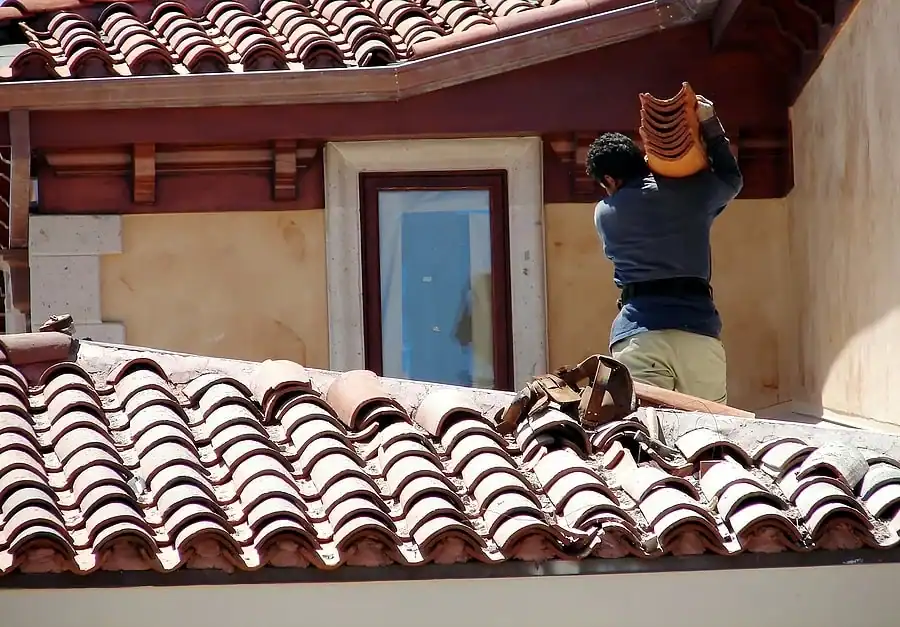
Researching Concrete Tile Roofer Services Serving Atascadero California?
Creative Roofing keeps barrel, flat and interlocking roofs weathertight from the deck up, throughout Atascadero California and the neighboring communities.
Phone 805-723-2381 and ask about the roof over your house.
What Makes a Roof Out of Fired Clay or Molded Concrete Different
The surface you see is only the first line of defense on a roof like this, and the overlap lets water run off quickly. Clay is formed and fired in a kiln, which gives it a rich natural color that does not fade, so samples help with the choice.
Structure First, Style Second
The framing is the foundation of any heavy roof, and a sagging ridge is a sign of trouble. Even a roof originally built for heavy units can lose strength over time if water has damaged the wood, and a careful contractor raises the issue unprompted.
Underlayment Is the Real Waterproofing
Water gets under the pieces during wind-driven rain, and the underlayment carries it down and out, and a re-lay is the chance to replace it. The felt paper on older roofs becomes brittle and breaks when the pieces are lifted, and high-temperature types are worth the small extra cost.
Sun, Heat and Dry Summers
Clay and concrete handle strong sun far better than lighter coverings, which is a large part of their appeal here, and the color stays true for decades. Efflorescence, a white powdery bloom, can show on concrete units and is mostly cosmetic, so ask before assuming the roof is failing.
Why Pieces Break
A cracked unit lets water reach the underlayment, which is meant for backup rather than constant exposure, so a close inspection from the roof is the only reliable method. Roofers who work on fragile coverings place their feet on the lower part of the unit where it is supported, so ask for a check after other work is done.
Edges and Intersections
Flashing along walls, chimneys and skylights has to be formed and shaped by hand around each piece, and that is worth keeping in mind. The cap line at the top of the roof is one of its most exposed areas, and it deserves attention as the roof ages.
Wind, Fire and the Fastening Question
Nails, clips and foam adhesive are the common ways to secure units to the roof, and the attachment method should be in the proposal. Embers do not ignite the pieces, though they can still collect in gaps and under the edges, and clean valleys are important.
Repair, Re-Lay or Replace
The pieces on an old roof may be fine for many more seasons even when the underlayment has given out, and it is easy to overlook. Spalling concrete, crumbling clay and widespread cracks are signs that the surface is at its end, so it is a time to consider all the options.
How Units Are Bedded and Secured
Each fastening method has strengths, and the choice depends on the slope, the wind exposure and the local rules, and it pays to think it through. A missing eave closure is easy to spot from the ground as a dark gap along the lower edge of the roof, and a good roofer checks them without being asked.
Moss, Stains and Keeping the Surface Clean
A gentle low-pressure wash can restore the appearance of a roof, but harsh pressure damages the surface and loosens the pieces, so consider it before deciding to replace. Soft washing with a mild solution and a gentle rinse removes growth without harming the surface, and fix any breakage before the rains.
Specifying the Hidden Layer
Basic and premium underlayment differ little in cost when set against the cost of the roof, and the choice should be in writing. A sticky rubberized sheet seals around fasteners and clings to the deck, providing waterproofing even if the surface layer is breached, and it pays to think it through.
Planning Equipment Around the Units
Each penetration through the covering is a place where a unit must be cut, and cut pieces are more likely to crack later, and the decision deserves some planning. A roofer can place a few walkway planks or marked steps to protect the routes that others will use, and inspect after every visit. Clearing debris from valleys before the rainy season is the simplest way to protect the underlayment beneath them, and a small repair now prevents a leak later.
Two Materials, Two Personalities
Natural clay generally keeps its color for a very long time, while a coated concrete surface can fade or chalk and may need refreshing, and compare how they look in daylight. Matching the profile to the style of the house is the first design decision, and it affects the cost and the installation method, so hold them against the house.
What Should Be Written Down
A proposal that only says re-lay the roof does not tell you enough, and compare two bids line by line. Questions about experience are reasonable, and the answers say a great deal, so do not hesitate to ask.
Stages of a Careful Re-Lay
Work in stages keeps the house covered at the end of every day, so that a sudden rain does not find an open roof, and the whole process takes patience.
Wildfire Season and Heavy Roofs
Closure strips at the eaves and the ridge keep embers and animals out of the space beneath the units, and a tidy roof is a safer roof.
Documenting the Work for the Future
A small stack of leftover pieces from the original job is worth more than almost any other record, since replacements are rarely identical, and store them with the house papers.
Tell Us What You Are Seeing
People researching Concrete Tile Roofer Services in Atascadero California are welcome to call with questions, so dial 805-723-2381 when it suits you. Calling before a problem becomes urgent makes it easier to compare materials and schedules, and the roof will tell the story once someone looks.
Verified

Verified
Verified
Verified






















