
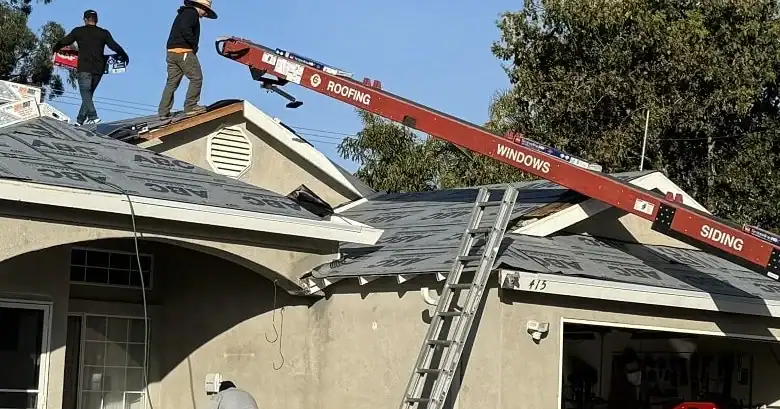
Looking for Roof Installation in Atascadero California?
Creative Roofing walks a household through every stage of a roofing project, across Atascadero California and the neighboring communities.
Dial 805-723-2381 and tell us what has you thinking about the roof.
Day One of a Roof Project
Before any material is chosen, the existing roof has to be understood, because the rest of the plan rests on the findings from that look. A proper look covers the slopes seen from the yard and the ones that are not, and that is the evidence a sensible plan is built on.
Sun and heat age a roof in ways that rain alone never would, so the wear is rarely even from one side to the next.
Setting the Scope of Work
Not every worn roof needs replacing, and not every leak is a small one, and the details are worth a closer look. A roofer who explains the reasoning in plain terms is easier to trust with the work, and the answer tells you a lot.
Rotted or soft sheathing changes the plan and often the schedule, and nobody should be surprised when it happens.
Choosing Materials for Your Home
Asphalt shingles, concrete or clay tile and standing seam metal are the coverings most often put on homes here, since heavy coverings need a frame built to carry them. A roof that faces strong sun all afternoon behaves differently depending on its shade, and that is worth keeping in mind.
When the Crew Can Work
Rain arrives in bursts, and a roof that is open when one comes needs protection, and temporary dry-in layers keep the house safe overnight. Heat affects the work as well, so the day usually begins at sunrise.
Stripping Down to the Deck
Removal of the old material is where the project gets loud, and magnets and rakes pick up the nails that fall. Repairs to the deck happen now, before anything new is installed, and skipping the step shortens the life of an otherwise good roof.
What Goes Down First
The surface you see is only the outer layer of a roof, and valleys, eaves and penetrations get extra layers. Drying in gives the crew a margin against surprise weather, so the rest of the work can proceed without worry.
Penetrations and Edges
The places where a roof is interrupted are the places most likely to leak, and the cost is small next to the roof it protects. Vent boots and pipe collars are rubber or lead pieces that wear out before the roof does, so replacing them along with the roof removes a predictable problem.
Air Under the Roof
An attic under a hot roof can reach extreme temperatures in summer, since warm air rises on its own when it is given a path. The design of the system matters more than the number of vents, and it is easy to overlook.
The Last Day on Site
When the last piece is installed, the cleanup begins, and that is part of the work, not an extra. Questions are easier to settle while the crew is still on site, and it only takes a few minutes.
Permits and Paperwork
Local requirements shape the job before the first shingle is touched, and the answer should be clear from the start. Wildfire concerns have changed what many local codes ask of a roof, and a roofer working in the area should already know them. Written proposals should describe the materials, the scope and the cleanup in plain words, so keep a copy where you can find it.
Shielding Windows, Plants and Patios
Heavy materials, ladders and falling pieces all share the space around the walls, so tarps and plywood go down where debris will land. Pets, children and cars are best kept away from the work area, and it pays to think it through. Attic contents are best covered or moved before the work starts, so it is wise to take down fragile pictures first.
Disruption and How to Manage It
A simple roof may go quickly while a complicated one takes longer, and plan on some slack for the weather. A quick word with the people next door can head off complaints, and early starts mean early noise. Remote workers may want a quiet spot elsewhere for a day or two, and the noise settles once the old roof is gone.
What to Ask Every Roofer
A sensible first question is what exactly is included in the scope, and write the answers down. Knowing exactly what is going on the house removes a common source of disputes, so ask before you sign anything. Surprises are normal, and a process for them is a sign of a well-run job, and the details are worth a closer look.
Keeping a Roof in Good Shape
Checking the roof twice a year takes only a few minutes, and binoculars make the job easy. Overhanging trees drop material that collects in corners and valleys, and it also reduces fire risk in dry months. Missing pieces, lifted edges or a new stain are all reasons to have someone look, and the earlier the better.
Is There a Best Time for a New Roof
Waiting for the first storm to find the weak spot means hiring in a hurry, so a few weeks of lead time is common. Early fall is popular because the weather is still dry and the heat has eased, and the best season is often the one that fits your calendar.
What the Crew Sees Inside the House
When the old roof comes off, the crew sees the underside of the deck, and stains, rust on nail tips and darkened wood tell the story of past leaks, and the findings can change the scope.
Next Steps for Your Roofing Project
Sorting out Roof Installation in Atascadero California is easier with someone who can look at the house, and 805-723-2381 reaches the right person. Every roof is different, so every conversation starts from the house itself, and that is worth keeping in mind. Taking the first step is usually the hardest part of any home project, and that is a good place to begin.
Verified

Verified
Verified
Verified






















