
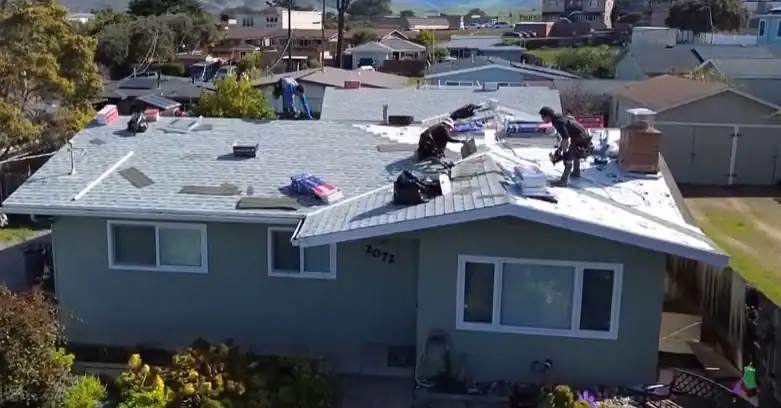
Looking for Roofing Contractors Serving Atascadero California?
Creative Roofing handles the planning, the tear-off and the cleanup of a roof job, working in Atascadero California and nearby.
Call 805-723-2381 to set up a time for someone to look at the roof.
Before Anything Is Torn Off
The first visit is about gathering facts rather than picking a product, since guessing from the ground leads to surprises later. Loose granules, lifted edges, cracked flashing and soft spots all say something about the layers below, and that is the evidence a sensible plan is built on.
Long dry summers and strong sun leave their mark on nearly every roof in California, so the south and west slopes get the closest attention.
Repair, Patch or Replace
Some roofs need a patch, some need a section redone, and some have reached the end of the road, and an honest roofer will say which one applies. Damage should be shown rather than only described, because you are the one living under the result.
Hidden damage found during tear-off is the usual reason a project grows beyond its first outline, so a note on how it will be handled saves arguments later.
Shingle, Tile or Metal
The common choices are shingle, tile and metal, and each suits some houses better than others, since heavy coverings need a frame built to carry them. A roof that faces strong sun all afternoon behaves differently depending on its shade, and that is worth keeping in mind.
Planning for Rain and Heat
Roof work is easiest to schedule in the long dry stretch between rains, so exposed areas get covered at the end of each day. Crews often start early in summer to get ahead of the hottest hours, and the plan bends to the heat rather than the other way around.
Removing the Old Roof
Tear-off gives the first real view of the structure under the roof, and the details are worth a closer look. Soft or split sheathing is cut out and new panels are fastened down, because new material is only as good as what it is fastened to.
The Hidden Layers
The first layer laid over the deck is a barrier against moisture, and valleys, eaves and penetrations get extra layers. Once the underlayment is down, the house is considered dried in, so the rest of the work can proceed without worry.
Penetrations and Edges
The places where a roof is interrupted are the places most likely to leak, since worn metal under new material becomes the weak link. The seal around a vent pipe rarely lasts as long as the surface around it, and a new roof should not depend on a seal that is already tired.
Air Under the Roof
Heat collects in the space beneath the roof deck unless it has somewhere to go, and vents at the eaves let cooler air in. The design of the system matters more than the number of vents, so ask how the attic will breathe once the work is done.
Leaving the Property Clean
A finished roof still leaves a yard full of scraps, nails and packaging, so gutters are checked and cleared of loose granules. Photographs of the completed work are worth having for your own records, and it only takes a few minutes.
Approvals Before the Work Starts
Rules about reroofing differ from one city to the next, and a little care goes a long way. Fire safety rules in some neighborhoods affect which coverings are allowed, so ask how the plan meets the rules for your street. Written proposals should describe the materials, the scope and the cleanup in plain words, and it is easy to overlook.
What Happens to the Yard
Roof work is hard on landscaping unless it is planned for, and that is worth keeping in mind. Cars parked in the driveway can be struck by falling nails or pieces of shingle, so tell the crew about anything fragile or valuable. The attic gets dusty during tear-off, and anything stored there will notice, so it is wise to take down fragile pictures first.
The Few Days of Commotion
Timing depends on the size of the roof, the complexity of the layout and the covering chosen, and the crew should give you a realistic window. Dumpsters and trucks may take up space on the road, and early starts mean early noise. Household routines bend a little while the work is under way, and a plan for the loud days makes them easier.
A Short List for Comparing Proposals
Ask how the crew protects the house when rain is in the forecast, since confident answers come easily to people who do this daily. Ask for the materials by name and manufacturer so you can look them up, and a little care goes a long way. A change in scope should be written down and approved before the work continues, and keep the discussion friendly but specific.
Keeping a Roof in Good Shape
A roof that is never looked at tends to fail when it is least convenient, and the best times are before the rainy season and after the first big storm. Trim branches that touch or hang over the roof, and a small broom is often enough. Call a roofer after a major wind event or if you see a stain on a ceiling, so do not wait for the next storm.
When to Schedule the Work
Booking early in the dry season leaves time to compare more than one proposal, and the schedule fills quickly once the rains end. Any month can work with the right planning and a willingness to move a day, so do not feel the choice is locked in.
Checking the Space Beneath the Deck
Rust on the points of roofing nails and dark patches on the sheathing are signs that moisture has been present for some time, and the findings can change the scope.
Talk to Us About Your Roof
Sorting out Roofing Contractors in Atascadero California is easier with someone who can look at the house, and the number is 805-723-2381. A modest repair and a full re-roof both begin with an honest look at the roof, and the roof will tell the story once someone looks. The sooner the roof is looked at, the more choices you tend to have, and the next step becomes obvious.
Verified

Verified
Verified
Verified






















