
Planning Roofing Inspections Near Atascadero California?
Creative Roofing stays with a roofing project from the first walk-around to the final check, from Atascadero California out to the surrounding area.
Call 805-723-2381 and we will talk through what the roof needs.
Day One of a Roof Project
Every roofing job starts with someone climbing up to see what is actually there, because the rest of the plan rests on the findings from that look. A proper look covers the slopes seen from the yard and the ones that are not, so the visit usually takes longer than people expect.
Sun and heat age a roof in ways that rain alone never would, and a little care goes a long way.
What Should Actually Be Done
Whether to fix or replace comes down to the condition of the layers beneath the surface, so a clear explanation matters more than a quick quote. Ask to see the problem areas, either in photographs or from the ladder, since the plan should make sense to the person paying for it.
Weak spots in the deck only show themselves once the old roof is off, and it is easy to overlook.
Picking a Roof Covering
Asphalt shingles, concrete or clay tile and standing seam metal are the coverings most often put on homes here, since heavy coverings need a frame built to carry them. Color deserves more thought than it usually gets, and it pays to look at them at different times of day.
Timing the Work
Dry months are the busy season for roofing, since an open roof and rain do not mix, and crews watch the forecast closely. Crews often start early in summer to get ahead of the hottest hours, and finishing early keeps people and materials in better shape.
What Happens on Demolition Day
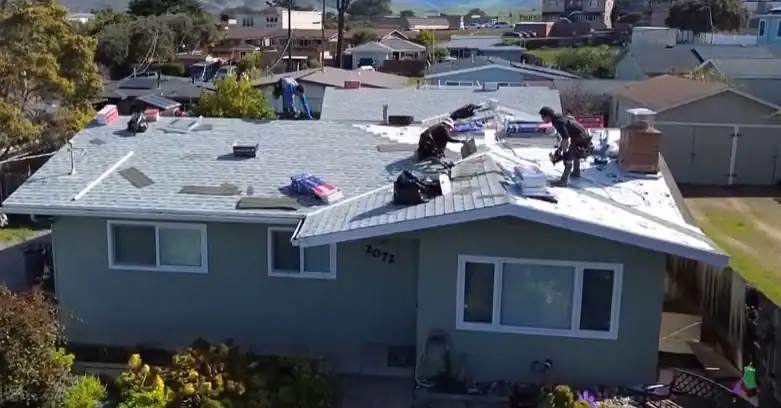
The existing covering is stripped away and the deck is left exposed for inspection, and the details are worth a closer look. The deck is checked, mended and made flat for the next layer, and skipping the step shortens the life of an otherwise good roof.
What Goes Down First
The first layer laid over the deck is a barrier against moisture, so self-adhering membrane goes where leaks tend to begin. Reaching this stage quickly is a sensible way to protect the interior, and the finished surface is installed over a sound base.
Small Metal Pieces, Large Consequences
Chimneys, skylights, vent pipes and walls all need flashing worked into the roof, and it pays to think it through. Plumbing vents are among the most common sources of small leaks, and putting in new boots costs little when the roof is already open.
Intake and Exhaust
A roof without enough ventilation bakes the attic and everything stored in it, so vents near the ridge give the hot air a way out. The design of the system matters more than the number of vents, and the answer should be part of the proposal.
Cleanup and the Final Walk-Through
Final cleanup means more than a quick sweep, and covers come off the landscaping and the beds are inspected. Photographs of the completed work are worth having for your own records, so keep the paperwork and pictures together.
Approvals Before the Work Starts
Municipal offices have their own expectations for roof work, and the answer should be clear from the start. Fire safety rules in some neighborhoods affect which coverings are allowed, and a roofer working in the area should already know them. Vague wording on a proposal is a reason to ask questions, and it is easy to overlook.
Shielding Windows, Plants and Patios
A roofing job puts a lot of weight, noise and debris around a house, and a careful crew sets them before the work begins. Pets, children and cars are best kept away from the work area, and it pays to think it through. The attic gets dusty during tear-off, and anything stored there will notice, and a sheet over stored boxes keeps the grit off.
Noise, Neighbors and Daily Life
A simple roof may go quickly while a complicated one takes longer, and the details are worth a closer look. A quick word with the people next door can head off complaints, and early starts mean early noise. Working from home during a roof job is possible, though not always pleasant, and a plan for the loud days makes them easier.
A Short List for Comparing Proposals
Ask how the roof will be ventilated and how the flashing will be handled, and write the answers down. A proposal that only says shingles or tile is not specific enough, and a little care goes a long way. Ask what happens if something unexpected turns up under the old roof, and settle it before the first day.
Small Habits That Extend Roof Life
A roof needs less attention than most parts of a house, but it needs some, and the best times are before the rainy season and after the first big storm. Overhanging trees drop material that collects in corners and valleys, so it is worth doing before summer ends. Missing pieces, lifted edges or a new stain are all reasons to have someone look, and a photograph helps explain what you saw.
When to Schedule the Work
Planning ahead usually gives better choices than reacting to an emergency, so a few weeks of lead time is common. Spring can bring the first showers, so flexibility helps, and the covering you choose affects the timing as well.
Attic Findings That Change the Plan
Insulation in the attic that is compressed, wet or missing should be noted, since a new roof is a good time to fix the whole assembly, and bring a flashlight if you can.
Ready When You Are
Anyone researching Roofing Inspections in Atascadero California is one call away from a straight answer, and the number is 805-723-2381. A modest repair and a full re-roof both begin with an honest look at the roof, and that is worth keeping in mind. Putting off a roof question rarely makes it easier to answer, so pick up the phone when you are ready.
Verified

Verified
Verified
Verified






















