
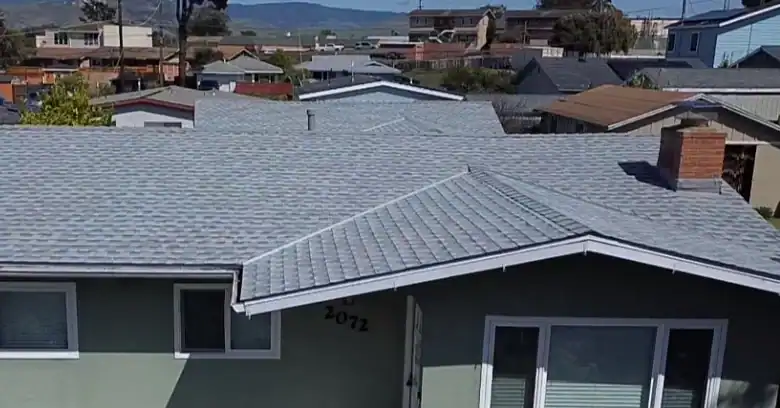
Thinking About New Roofing in Atascadero California?
Creative Roofing takes a roofing job from the first look to the last sweep of the yard, across Atascadero California and the neighboring communities.
Phone 805-723-2381 and tell us what has you thinking about the roof.
The First Step in a Roofing Project
A roofing project begins with a close look at the surface, the edges and the pipes, since guessing from the ground leads to surprises later. Photographs taken on that first visit become the record for everything that follows, and that is the evidence a sensible plan is built on.
Sunny slopes and shaded slopes tell different stories, and both matter, so the south and west slopes get the closest attention.
Choosing How Far to Go
The right answer depends on how much sound material is left on the house, so a clear explanation matters more than a quick quote. Pictures of the trouble spots take the guesswork out of the decision, so do not feel awkward about asking.
When the decking underneath is damaged, the scope of the job grows, and it is easy to overlook.
Shingle, Tile or Metal
The common choices are shingle, tile and metal, and each suits some houses better than others, and the pitch of the roof narrows the field quickly. A roof that faces strong sun all afternoon behaves differently depending on its shade, and a full-size piece seen outdoors beats a catalog picture.
The Calendar and the Forecast
Roof work is easiest to schedule in the long dry stretch between rains, and crews watch the forecast closely. Heat affects the work as well, and the plan bends to the heat rather than the other way around.
Stripping Down to the Deck
Removal of the old material is where the project gets loud, so landscaping and windows are covered before the first piece comes up. Once the deck is bare, any damaged boards are replaced, because new material is only as good as what it is fastened to.
What Goes Down First
Underneath the visible covering sits a water-resistant layer that does much of the work, so self-adhering membrane goes where leaks tend to begin. The house is safest once the second layer is complete, and the visible covering goes on from there.
Where Roofs Meet Walls and Pipes
Chimneys, skylights, vent pipes and walls all need flashing worked into the roof, and it pays to think it through. The seal around a vent pipe rarely lasts as long as the surface around it, and a new roof should not depend on a seal that is already tired.
Attic Airflow
Attic heat is behind many worn roofs and many large cooling bills, and vents at the eaves let cooler air in. The design of the system matters more than the number of vents, and a roofer should be able to describe it simply.
The Last Day on Site
The job is not over until the yard looks like a yard again, and a magnetic sweep picks up stray nails. Questions are easier to settle while the crew is still on site, so keep the paperwork and pictures together.
Permits and Paperwork
Municipal offices have their own expectations for roof work, so it is fair to ask who pulls the permit. Fire safety rules in some neighborhoods affect which coverings are allowed, and a roofer working in the area should already know them. The best paperwork leaves little room for misunderstanding, and it is worth reading it slowly.
Looking After Your Property During the Work
Roof work is hard on landscaping unless it is planned for, and a careful crew sets them before the work begins. The area under the eaves is the one to avoid, and a short talk the evening before covers the details. The attic gets dusty during tear-off, and anything stored there will notice, and a little care goes a long way.
Living Through a Roof Project
A new roof usually takes a few days for an average house, though weather and size change that, and the details are worth a closer look. Roof work is loud, and the street will hear it, and early starts mean early noise. The loudest stretch is the tear-off, and it passes quickly, so consider a day out of the house if you can.
Questions That Reveal the Difference
A sensible first question is what exactly is included in the scope, since confident answers come easily to people who do this daily. The product line matters as much as the type of covering, and a good roofer will be glad you asked. A change in scope should be written down and approved before the work continues, and keep the discussion friendly but specific.
Caring for the Roof Once It Is Done
A roof needs less attention than most parts of a house, but it needs some, and binoculars make the job easy. Overhanging trees drop material that collects in corners and valleys, and that is worth keeping in mind. A prompt visit after damage keeps a minor repair minor, and it is far easier to repair than to rebuild.
Choosing the Right Season
Many homeowners wait until a leak appears before they think about a roof, so a few weeks of lead time is common. Spring can bring the first showers, so flexibility helps, and the details are worth a closer look.
Roof Work and Your Attic
The attic is the roof as seen from below, and it often gives the clearest picture of how the roof has been performing, and the findings can change the scope.
Next Steps for Your Roofing Project
Questions about New Roofing in Atascadero California begin with a short phone call, so dial 805-723-2381 and say what you are seeing. Every roof is different, so every conversation starts from the house itself, so there is no harm in asking questions first. The decision often feels bigger before the call than it turns out to be, so pick up the phone when you are ready.
Verified

Verified
Verified
Verified






















