
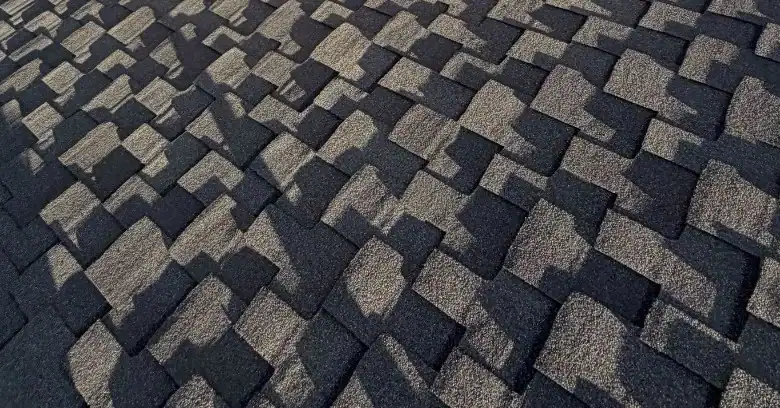
Thinking About Architectural Shingle Roofing Serving Central Coast California?
Creative Roofing handles shingle roofing from the first nail to the last ridge cap, for homes in Central Coast California and the towns around it.
Dial 805-723-2381 and describe the roof you are weighing.
The Anatomy of an Asphalt Shingle
Most roofs on houses here wear shingles built from a glass-fiber core with an asphalt skin, and the granules protect the asphalt from the sun. A shingle that has lost its granules is losing its sunscreen, and it pays to think it through.
Basic, Laminated and Premium
Older houses often wear three-tab shingles because they were once the standard, and the saving is real but so is the shorter life. Most new roofs on houses today use architectural shingles, which look richer and resist wind better, so there is something for most houses. The top of the range offers the richest textures and the greatest thickness, so the roof feels more substantial.
Why Sunny Slopes Age First
Hot weather and strong sun dry the oils in asphalt, leaving the surface stiff and brittle, and the shaded side tells a different story. Blisters appear when trapped moisture or heat pushes up the surface, and it pays to think it through.
Color, Reflectivity and Cooling
Lighter shingles reflect more of the summer sun and keep the roof surface cooler, and a little care goes a long way. Cool shingle lines are designed to lower roof temperatures without changing the look much, and the difference is most noticeable in the hottest months.
Nails, Courses and Starter Strips
Shingles are fastened with nails placed in a specific spot, and a few inches either way changes how well they hold, and a crew that cuts corners here causes trouble later. A starter strip along the eave and the rake gives the first course a sealed edge and extra grip, and crooked rows are a warning. The cap shingles on a ridge take extra abuse from sun and wind, and it pays to think it through.
How Shingles Resist Wind
The adhesive bond is what keeps tabs flat against the roof in a strong wind, and the nails hold the rest. Strong seasonal winds can lift tabs that have lost their seal and tear them off the roof, and a roofer can reseal tabs with a dab of roofing cement.
Attic Ventilation and Shingle Life
A hot attic cooks the shingles from underneath, and the damage adds to what the sun does on top, so check that the soffit openings are not blocked by insulation. Attic fans, gable vents and ridge vents each work differently and should not fight each other, and that is worth keeping in mind.
The Details Beneath and Beside the Field
Felt paper or synthetic sheets cover the deck and give a second line of defense, and it matters most when the roof is open to weather. Valleys are the crossing channels where two slopes meet, and they carry the most water on the roof, and a little care goes a long way.
Spotting Trouble Early
Look for lines of shadow where shingles have lifted and for stains inside the house, and a roofer can sort the serious from the cosmetic. Repairing a small area costs far less than a full replacement when the surrounding roof is sound, so ask for photographs of the problem areas. When the whole roof is brittle, curling and shedding granules, repairs become a losing game, so plan the project before the leaks begin.
Stripping Down Before Building Up
Most shingle replacements begin with a full tear-off, in which the old layers are stripped away and the plywood or boards beneath are laid bare, and the bare deck is also the moment to check ventilation openings. Overlaying is a shortcut that a careful roofer will explain before agreeing to it, and a little care goes a long way. Sheathing that crumbles or feels spongy underfoot must be replaced before shingles can hold, so ask how surprises will be handled.
Respect for the House and Garden
Planning where the dumpster, the ladders and the materials will go avoids damage to lawns, driveways and sprinklers, and move vehicles and furniture the night before. Final cleanup should leave the property as orderly as it was found, apart from the new roof, and that is worth keeping in mind. A new shingle roof sheds a little loose grit in its first months, and some of it ends up in the gutters, and it pays to think it through.
When to Schedule a New Roof
Shingle work goes best in dry, mild weather, when the sealing strips bond quickly and the crew can leave the roof open without worry, so booking ahead is wise. Very hot afternoons can scuff new shingles underfoot and make nails harder to drive cleanly, so many crews start at dawn in midsummer, and the details are worth a closer look.
Working Around Things That Share the Roof
Each opening in a shingle roof needs flashing built in layers with the courses, and the work is easier when the roof is already open, and mention any plans to add more later. Replacing a roof beneath an existing array is a coordination job involving the roofer and the solar company, so ask both contractors how they would proceed.
Blending New Shingles Into an Older Roof
Some visual difference is normal after a repair, and it fades as the new pieces weather, and place the repair where it is least visible.
The Edge Details That Finish a Shingle Roof
Metal edging installed under the underlayment at the eave and over it at the rake is the correct order, and it makes a visible difference to the durability of the edge, and ask the roofer to flag any rot.
Questions for a Shingle Roofer
Look for the product by name so that you can compare it with another bid, and the details are worth a closer look. Ask how many layers of old roofing will be removed and how the deck will be inspected, and it is easy to overlook.
Tell Us What You Are Thinking
People researching Architectural Shingle Roofing in Central Coast California are welcome to call with questions, and 805-723-2381 reaches someone who can help. Calling before a problem becomes urgent makes it easier to compare materials and schedules, and that is worth keeping in mind.






















