
Comparing Asphalt Shingle Roofers in Central Coast California?
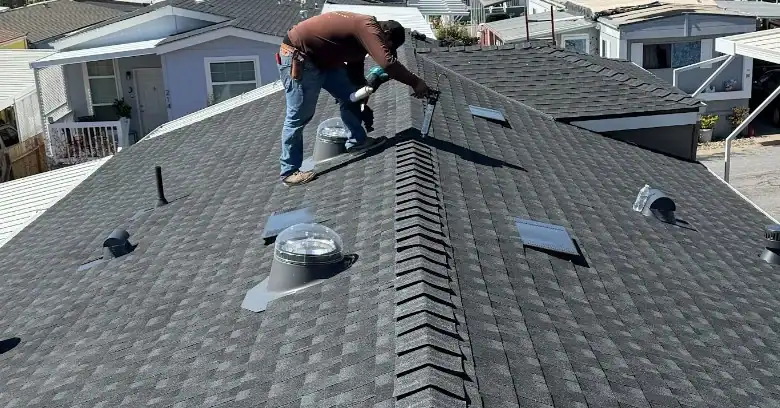
Creative Roofing lays asphalt, architectural and designer shingles over carefully prepared decks, throughout Central Coast California and the neighboring communities.
Reach us at 805-723-2381 and we will go over what a shingle roof involves.
The Anatomy of an Asphalt Shingle
Each shingle is a thin sandwich of mat, asphalt and stone granules, and that is worth keeping in mind. The granules do more than add color, because they shield the asphalt from ultraviolet light, and the granules end up in the gutters.
How Shingle Lines Differ
The basic strip shingle is a simple product with a simple appearance, and a little care goes a long way. Most new roofs on houses today use architectural shingles, which look richer and resist wind better, and the difference shows in the finished roof. Premium and luxury lines go further, with thicker laminates, deeper shadow lines and designer shapes, and the framing should be checked before choosing the heaviest types.
Heat Is the Slow Enemy
Heat, ultraviolet light and temperature swings wear the surface steadily, and the shaded side tells a different story. Blisters appear when trapped moisture or heat pushes up the surface, and the pattern across the roof shows how far the wear has gone.
Color, Reflectivity and Cooling
The color of a roof affects both its appearance and its temperature, and the effect is easiest to see on a hot day. Reflective granules can bring a dark color closer to the performance of a light one, and the difference is most noticeable in the hottest months.
Nails, Courses and Starter Strips
Nails driven too high or too low weaken the hold of the whole course, and a crew that cuts corners here causes trouble later. Each course overlaps the one below so that water always sheds over a solid layer, and a straight line of shingles is a sign of care. A properly installed ridge looks neat and stays tight against the weather, and it pays to think it through.
How Shingles Resist Wind
Seal strips need warmth to activate, which is why roofs installed in cool weather may take longer to bond, and a little care goes a long way. Pieces that blow off expose the underlayment, which is not meant to sit in the sun, and a pattern of lifting suggests the roof is aging.
Keeping the Attic Breathing
A balanced system of intake and exhaust keeps the temperature under the roof closer to the air outside, and the plan should be part of the proposal. Adding insulation without maintaining airflow can make an attic hotter in summer, and avoid anyone who ignores the question.
The Details Beneath and Beside the Field
The underlayment is the water-resistant layer under the shingles that catches whatever gets past the surface, and it matters most when the roof is open to weather. Valleys are the crossing channels where two slopes meet, and they carry the most water on the roof, so quality work here matters a great deal.
Reading the Roof
Cracks, missing pieces and exposed nails are all signals worth acting on, and the details are worth a closer look. Repairing a small area costs far less than a full replacement when the surrounding roof is sound, and it is easy to overlook. Matching old shingles is difficult, so large repairs often look patchy, and choose the new shingles with care.
The Deck Decides What Happens Next
A complete tear-off lets the roofer inspect each sheet of decking and replace any that has been stained, softened or split, and it pays to think it through. Putting a second layer on a tired roof can trap heat and moisture between the layers and shorten the life of both, and the decision deserves a little thought. Rotted boards and delaminated plywood are usually found around leaks, valleys and plumbing vents, and good communication keeps everyone calm.
Cleanup, Nails and Protecting the Property
Tarps along the walls, plywood over delicate plantings and a bin positioned below the edge keep the mess contained, so ask how the yard will be protected. Nails are the main hazard left behind after any roofing job, and a magnetic sweep of the yard and driveway is standard practice, and the work is not finished until the cleanup is. A new shingle roof sheds a little loose grit in its first months, and some of it ends up in the gutters, and it pays to think it through.
When to Schedule a New Roof
Most replacements here are scheduled for the long dry season, which gives the roof time to settle before the first winter storm, and a little care goes a long way. Shade, water and early starts are the usual ways of coping with the heat on a dark roof, and patience pays off in the finished roof.
Coordinating With Other Trades
A re-roof is the right moment to replace worn skylight curbs, chimney flashing and cracked sealant, before they cause trouble, and it is easy to overlook. Solar panels bolted to a shingle roof have to be removed and reinstalled when the roof is replaced, so the two projects should be planned together, and a little planning saves a lot of expense.
Color, Fade and Repair Work
A roofer can often borrow shingles from a hidden slope or the back of the house to repair a more visible area, which gives the best match, and function matters more than appearance here.
Gutters, Drip Edge and the Roofline
Without proper edging, rain can wick behind the shingles and attack the sheathing and fascia board over the following seasons, and fixing it now costs less than later.
What to Look for in Writing
A good proposal names the shingle line, the color, the underlayment and the flashing materials, and the line items let you compare two bids fairly. Ask about the schedule and how the roof will be covered if rain is forecast, so take notes during the conversation.
Tell Us What You Are Thinking
Homeowners weighing Asphalt Shingle Roofers in Central Coast California can begin by describing the house and the look they want, so dial 805-723-2381 when it suits you. There is no pressure in asking about a new roof, and we are glad to help you sort it out.






















