
Ready for Asphalt Shingle Roofing Around Central Coast California?
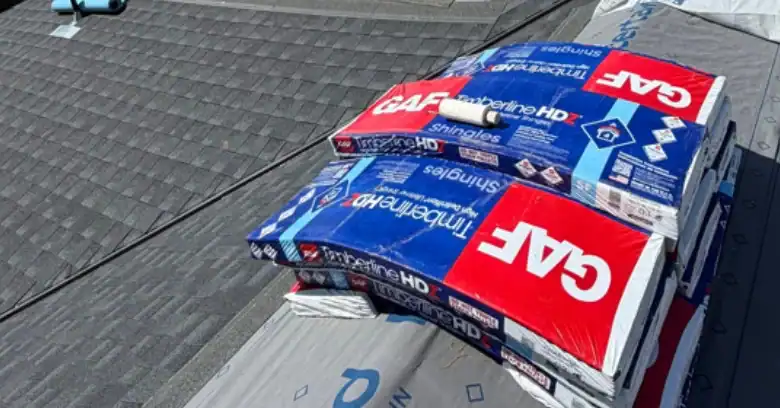
Creative Roofing works with layered shingles, starter strips, underlayment and ridge caps, from Central Coast California out to the surrounding area.
Dial 805-723-2381 to set up a visit to look at your shingles.
Layers You Cannot See From the Street
Behind the familiar look is a layered construction, and that is worth keeping in mind. Stone granules reflect part of the sun and keep the asphalt from baking, and the granules end up in the gutters.
How Shingle Lines Differ
The basic strip shingle is a simple product with a simple appearance, and it remains a reasonable choice in some situations. Dimensional shingles imitate the look of shake or slate at a modest cost, and colors come in a wide range. Premium and luxury lines go further, with thicker laminates, deeper shadow lines and designer shapes, so the roof feels more substantial.
Strong Sun on Asphalt
The sun does more to age a shingle roof in this region than any other force, and the difference shows how much the sun contributes. Curling, cracking and blistering are the typical signs of a shingle that has had too much heat, so they deserve attention before the rainy season.
Color Choices for a Sunny Climate
Color is a practical decision as much as a matter of taste, and nearby roofs offer a useful preview. Reflective granules can bring a dark color closer to the performance of a light one, and the actual benefit depends on the house.
The Craft Behind a Good Install
Shingles are fastened with nails placed in a specific spot, and a few inches either way changes how well they hold, so ask how many nails go into each shingle. Starter shingles at the bottom edge anchor the first row and keep wind from getting underneath, and the pattern is part of the manufacturer specification. Hips and ridges are capped with special pieces that bend over the peak and seal the top of the roof, so the details at the top deserve attention.
Gusts and Loose Tabs
The adhesive bond is what keeps tabs flat against the roof in a strong wind, and checking for lifted tabs after a windy spell is a good habit. Wind rarely harms a well-sealed roof, but it finds every weak spot on an old one, and a roofer can reseal tabs with a dab of roofing cement.
Heat Trapped Below Shortens the Roof
Poor ventilation is one of the quietest causes of early shingle failure, so check that the soffit openings are not blocked by insulation. More vents is not better, and mixing types can short-circuit the flow, and fixing ventilation is far easier during a re-roof.
Where Shingles Meet Everything Else
Modern synthetic underlayments resist tearing and last better in strong sun, and a better underlayment costs little in the whole job. Chimneys, walls and skylights need step flashing and counterflashing worked into the shingle courses, and a little care goes a long way.
Spotting Trouble Early
Cracks, missing pieces and exposed nails are all signals worth acting on, and one sign alone may not mean much. Patching makes sense when the damage is limited and the shingles are otherwise healthy, and it is easy to overlook. Putting money into a failing roof delays the inevitable and may cost more in the end, and a full replacement gives a fresh start.
The Deck Decides What Happens Next
Old shingles come off in sections and go straight into a bin, leaving a clean deck ready for the next step, and it pays to think it through. Putting a second layer on a tired roof can trap heat and moisture between the layers and shorten the life of both, and the decision deserves a little thought. Agreeing on how replacement boards are measured and charged prevents a dispute halfway through the job, and expect a call with photographs.
Keeping the Yard Safe During a Shingle Job
Planning where the dumpster, the ladders and the materials will go avoids damage to lawns, driveways and sprinklers, and it is easy to overlook. Final cleanup should leave the property as orderly as it was found, apart from the new roof, and point out anything that was missed. Gutters should be cleared of granules and debris once the new roof is on, since the first rains will wash any leftovers into the downspouts, and it pays to think it through.
Choosing the Right Season for Shingles
A roof installed in warm weather bonds sooner than one finished in cool, damp conditions, and that early bond helps in wind, and a little care goes a long way. Very hot afternoons can scuff new shingles underfoot and make nails harder to drive cleanly, so many crews start at dawn in midsummer, and the details are worth a closer look.
Openings, Brackets and Penetrations
Each opening in a shingle roof needs flashing built in layers with the courses, and the work is easier when the roof is already open, and a thorough roofer will count them. Ideally the roof is renewed before panels are installed, so that the new system is not removed again within a few seasons, so ask both contractors how they would proceed.
Blending New Shingles Into an Older Roof
Older shingles lose color and granules in the sun, so a few fresh ones will stand out until the surrounding roof catches up, so ask the roofer what to expect.
Protecting the Fascia and the Foundation
The roofline is where the roof and the rest of the house meet, and it deserves attention during any replacement, so look at them before the work starts.
What to Look for in Writing
The written scope should list tear-off, deck repair, ventilation and cleanup, and read them slowly. Ask about the schedule and how the roof will be covered if rain is forecast, and compare the replies from each company.
Tell Us What You Are Thinking
Those comparing Asphalt Shingle Roofing in Central Coast California can reach us by phone, and the number is 805-723-2381. Even a quick call can clear up questions about shingle grades, colors and timing, and we are glad to help you sort it out.






















