
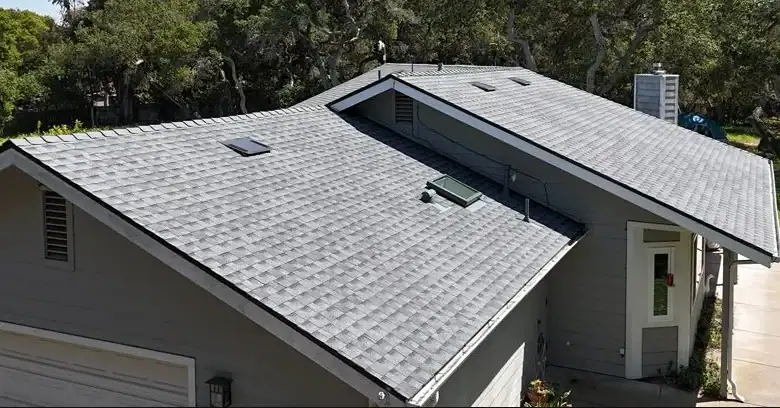
Comparing Asphalt Shingle Roof Contractors Close to Central Coast California?
Creative Roofing installs and repairs the shingle coverings found on most houses in the area, from Central Coast California out to the surrounding area.
Ring 805-723-2381 to set up a visit to look at your shingles.
Inside a Shingle
Behind the familiar look is a layered construction, and the granules protect the asphalt from the sun. A shingle that has lost its granules is losing its sunscreen, and the process only gets faster over time.
Choosing a Weight and Style
The basic strip shingle is a simple product with a simple appearance, and fewer new roofs use it today. Architectural shingles are made of two or more laminated layers that give the roof depth and shadow, so there is something for most houses. Designer shingles are heavier and carefully styled to resemble natural slate or cedar, and it is easy to overlook.
Sun, Heat and Aging
Months of direct sunshine take a toll that the eye picks up slowly, and the shaded side tells a different story. Edges that lift, corners that curl and surfaces that crack all point to age, and it pays to think it through.
Light Versus Dark
Color is a practical decision as much as a matter of taste, and a sample held up outdoors shows the shade truthfully. Cool shingle lines are designed to lower roof temperatures without changing the look much, and local rules sometimes encourage them.
The Craft Behind a Good Install
The nailing line printed on the shingle marks where fasteners must go for the best grip, and it is easy to overlook. A starter strip along the eave and the rake gives the first course a sealed edge and extra grip, and that is worth keeping in mind. A properly installed ridge looks neat and stays tight against the weather, and the ventilation opening below the cap should stay clear.
How Shingles Resist Wind
A shingle that never sealed can lift and flap in a gust, so the two work together. Pieces that blow off expose the underlayment, which is not meant to sit in the sun, and a roofer can reseal tabs with a dab of roofing cement.
Balanced Intake and Exhaust
A hot attic cooks the shingles from underneath, and the damage adds to what the sun does on top, and it is easy to overlook. More vents is not better, and mixing types can short-circuit the flow, so ask what will be done about ventilation.
Flashing, Valleys and Underlayment
Modern synthetic underlayments resist tearing and last better in strong sun, and it matters most when the roof is open to weather. An open valley shows a strip of metal, while a closed valley is covered with shingles, so quality work here matters a great deal.
Reading the Roof
Cracks, missing pieces and exposed nails are all signals worth acting on, so take the whole picture into account. Isolated problems from a branch or a loose tab respond well to a simple repair, and the savings can be substantial. Putting money into a failing roof delays the inevitable and may cost more in the end, and a full replacement gives a fresh start.
What Lies Under the Existing Roof
Old shingles come off in sections and go straight into a bin, leaving a clean deck ready for the next step, and it pays to think it through. A roof-over saves effort in the short run, yet it prevents any look at what the old roof has been hiding, and the decision deserves a little thought. Damaged decking is the most common surprise on a roofing job, and a good proposal says how it will be handled, and good communication keeps everyone calm.
Cleanup, Nails and Protecting the Property
Planning where the dumpster, the ladders and the materials will go avoids damage to lawns, driveways and sprinklers, and the crew returns it to normal when finished. Nails are the main hazard left behind after any roofing job, and a magnetic sweep of the yard and driveway is standard practice, and it is reasonable to inspect it together. Letting grit and leaves pile up in a gutter can lead to overflow along the fascia and the foundation, and it pays to think it through.
Planning Around Rain and Heat
A roof installed in warm weather bonds sooner than one finished in cool, damp conditions, and that early bond helps in wind, and a little care goes a long way. Very hot afternoons can scuff new shingles underfoot and make nails harder to drive cleanly, so many crews start at dawn in midsummer, and the schedule bends to the weather.
Coordinating With Other Trades
Roofers work around fixed obstacles all the time, but each one adds time and adds a place where water might enter, and it is easy to overlook. Ideally the roof is renewed before panels are installed, so that the new system is not removed again within a few seasons, and a little planning saves a lot of expense.
Color, Fade and Repair Work
New shingles set into a sun-faded roof usually look a shade darker or brighter, and the contrast softens only after a season or two of weather, and place the repair where it is least visible.
Carrying Water Away From the House
A drip edge along the eave and the rake guides water into the gutter and keeps it from running behind the fascia, where it would rot the wood, and fixing it now costs less than later.
What to Look for in Writing
Specific wording is the best protection against surprises, so ask for details in writing. Ask how many layers of old roofing will be removed and how the deck will be inspected, and the answers are worth writing down.
Start the Conversation
Homeowners weighing Asphalt Shingle Roof Contractors in Central Coast California can begin by describing the house and the look they want, so dial 805-723-2381 when it suits you. There is no pressure in asking about a new roof, and the roof will tell the story once someone looks.






















