
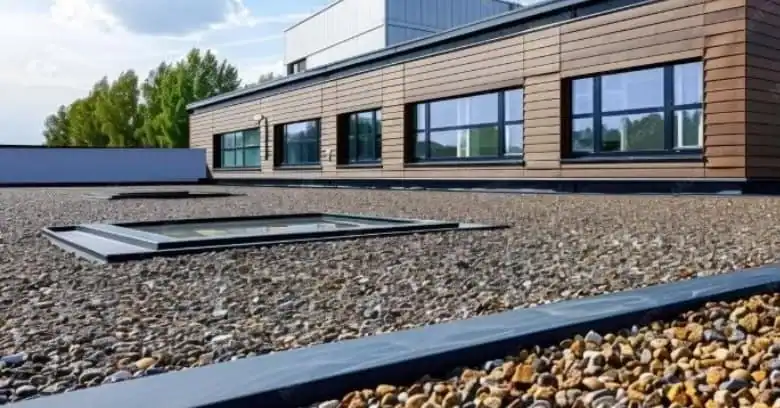
Weighing Built Up Roofing for a Building in Central Coast California?
Creative Roofing installs membranes, coatings and built-up layers on roofs that barely shed water on their own, throughout Central Coast California and the neighboring communities.
Phone 805-723-2381 and describe what you are seeing up there.
The Challenge of a Level Surface
A roof with barely any pitch is a different design problem from the ordinary sloped kind, so shingles are never the answer. Standing water multiplies every defect and speeds up aging, and the cost of a mistake is paid in repairs.
Membranes, Built-Up Layers and Coatings
The seams on thermoplastic sheets are fused rather than glued, which makes them strong, and the quality of the welds is the main concern. Rubber membranes are black or white, and the seams are joined with tapes or adhesives, and punctures can be patched with the same materials. The multiple plies mean that a flaw in one layer is backed up by the next, and repairs can be made in place.
The Weak Points of a Level Roof
The open field of a membrane is usually the toughest part of the whole system, so the inspection follows a set order. Cracked sealant at the top of a wall flashing is one of the most common sources of leaks, and a small bead of sealant in time prevents a big repair.
Scuppers, Drains and Slope
Rain here often comes in sudden bursts that test every flat roof drain, and a little care goes a long way. Tapered insulation or added crickets can create the slope that a level roof lacks, and the details are worth a closer look.
Sun, Heat and Reflective Surfaces
Ultraviolet light and heat are the main forces that age the surface of a low-slope roof in this region, and the movement stresses seams and fasteners. A white or reflective coating can lower the surface temperature and protect the membrane beneath, and the preparation is as important as the product.
Anything That Pokes Through or Sits on Top
Skylights and hatches add edges that need careful flashing, and it pays to think it through. Regular foot traffic wears a path in the surface unless it is protected, and avoid storing items on the roof.
Repair, Recoat or Replace
Targeted repairs buy time and protect the interior while a bigger plan is made, so ask to see where the water is getting in. A restoration coat is a good choice for a roof that is dry beneath and sound in the field, and an honest answer starts with a survey. Removing the old layers lets the deck be inspected and any damaged wood replaced, and compare more than one proposal.
Level Roofs at Home
Owners of older homes often discover that an addition from a previous decade was finished with a membrane that has long since worn out, and the wrong material on a flat roof will leak. Where a flat porch roof meets the wall of the main house, the membrane has to climb the wall and be capped so that water cannot run behind it, so look at the wall as well as the roof. A roof used as living space has to meet higher standards than one that nobody walks on, and the details are worth a closer look.
Heat Gain and Thermal Layers
Rigid insulation boards above or below the deck slow the passage of heat, and they matter more on a level roof than on any other type, and it is easy to overlook. Cutting a small test square is another way to check, and it is sealed again as part of the same visit, and the map is a useful record.
Seasonal Checks for a Level Roof
A check in early autumn catches clogged drains, lifted seams and cracked sealant before the first storm tests them, and the work is quick. Branches, loose objects and windblown trash can cut a membrane or block a drain, and they should be removed promptly, and it pays to think it through.
Securing the Roof Against the Wind
After a windy spell it is worth checking the perimeter from a ladder for loose trim, lifted seams and curling edges, and expect a specific answer. A ballasted roof needs a structure strong enough to carry the added load, which is a point to confirm before choosing the system, so inspect the outlets after any disturbance. The more complicated the roof, the more a clear written scope matters, since each detail represents a possible source of dispute, and point out anything unusual.
Skylights, Hatches and Vents on a Level Roof
A curb lifts the opening above the level of standing water, which is the main reason it exists, and the membrane must climb it and be sealed at the top, so ask how every opening will be handled. The seal around a pipe on a low-slope roof has to be formed to match the membrane, because a generic rubber boot will not bond to every type, so ask about consolidating them. A drain bowl that is sealed to the membrane with a clamping ring and sealant keeps water from creeping under the sheet at the outlet, and a quick look takes only a minute.
What the Paperwork Should Say
A good proposal names the membrane, its thickness, the attachment method and the insulation to be used, so ask for the details in writing. Ask who will supervise the work and how weather delays will be handled, and it is easy to overlook.
What to Expect on the Days of the Work
Hot-applied and adhesive systems give off smells while they cure, so windows and vents near the work area are usually closed for a day, and that is worth keeping in mind.
Short Answers About Low-Slope Roofing
The idea that level roofs always give trouble comes from poorly detailed examples, because careful work on seams and drains makes a real difference, and it pays to think it through.
Ready to Look at Options
Anyone sorting out Built Up Roofing in Central Coast California is one call away from a straight answer, and the number is 805-723-2381. Even a quick call can clear up questions about membranes, coatings and timing, and a little care goes a long way.






















