
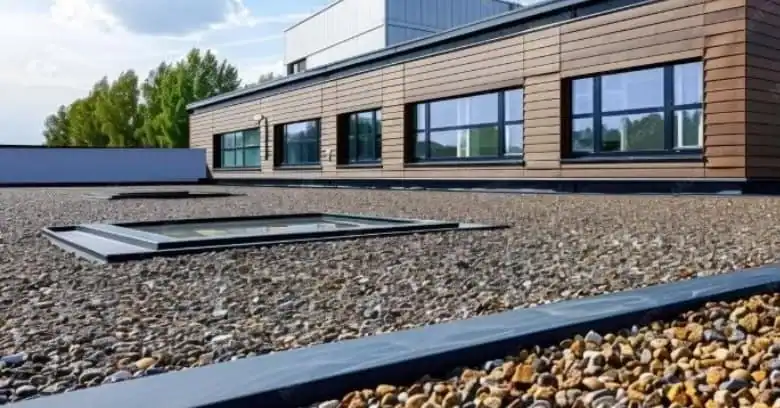
Looking Into Built Up Roof Installation Around Central Coast California?
Creative Roofing installs membranes, coatings and built-up layers on roofs that barely shed water on their own, for properties in Central Coast California and the towns around it.
Dial 805-723-2381 to arrange a visit to look at the roof.
How a Flat Roof Differs From a Pitched One
The gentle angle of a flat roof gives water time to find every weakness, so shingles are never the answer. A flat roof gives little margin for error in the details, so it pays to hire people who work on flat roofs regularly.
The Systems You Will Hear About
Heat-welded sheets such as TPO are among the most popular choices for new flat roofs, and a little care goes a long way. The big rolls of rubber cover large areas with few seams, so periodic inspections are wise. Layered asphalt systems have been used for generations and are valued for redundancy, and the gravel hides the condition of the membrane.
Details That Fail First
A careful look at the details finds most of what is wrong, and shortcuts miss the trouble. Cracked sealant at the top of a wall flashing is one of the most common sources of leaks, and the work is simple for a roofer.
Keeping a Level Roof Drained
Ponding is the condition of standing water on a roof, and it accelerates wear on any membrane, and clear leaves and debris from scuppers. Adding drains or enlarging scuppers helps when the old ones were undersized, and the details are worth a closer look.
Sunshine, Heat and Aging
Dark surfaces can reach temperatures much higher than the surrounding air, and the movement stresses seams and fasteners. A white or reflective coating can lower the surface temperature and protect the membrane beneath, and a coating cannot rescue a roof that is wet inside.
What Happens Around Machinery
Boots, pitch pockets and flashing collars around pipes must be sound and sealed, and plugging with caulk is only a stopgap. Regular foot traffic wears a path in the surface unless it is protected, and avoid storing items on the roof.
Options for an Aging Flat Roof
Targeted repairs buy time and protect the interior while a bigger plan is made, so ask to see where the water is getting in. These options depend on the condition of the insulation under the old surface, and the survey is worth the small cost. Replacing wet insulation restores the performance of the roof and the comfort of the rooms below, and compare more than one proposal.
Small Flat Roofs With Big Responsibilities
Owners of older homes often discover that an addition from a previous decade was finished with a membrane that has long since worn out, and it pays to think it through. Where a flat porch roof meets the wall of the main house, the membrane has to climb the wall and be capped so that water cannot run behind it, and a little care goes a long way. Pavers, decking and planters laid over a membrane protect it from the sun but hide it from view, and ask about drains and overflows.
Keeping Rooms Cool Below a Flat Surface
A flat roof has little or no attic, so the layers of the roof itself have to do the work that attic insulation and ventilation do on a pitched house, and the combination is worth planning. Cutting a small test square is another way to check, and it is sealed again as part of the same visit, and be skeptical of a bid that skips it.
Before the Rains and After the Storms
Drains, scuppers and gutters should be cleared first, since blocked outlets cause more damage than any other single fault, and the work is quick. Noting the date and the weather when a leak appears helps the roofer find the cause, and acting quickly limits the damage.
Edges Take the Brunt
Edge metal, copings and terminations have to be fastened to a set pattern and sealed at the joints, or wind will find the gap and work it open, and a little care goes a long way. Ballasted roofs hold the membrane down with a layer of smooth stone or pavers instead of glue or fasteners, and the weight is part of the design, and the details are worth a closer look. A careful roofer walks the roof beforehand and counts every penetration, then includes them all in the proposal, so be there for the visit if you can.
Curbs, Collars and Boots
Each opening is a separate detail, and each one should be listed in the written proposal, and no skylight should be roofed over without a plan. Plumbing vents, conduits and exhaust ducts pass through the membrane and need boots, collars or pitch pockets that suit the material, and it pays to think it through. Leaves and trash that collect around a drain strainer can cause the water level to rise until it overflows into the building, and a quick look takes only a minute.
Questions for a Flat Roof Contractor
Look for the manufacturer system and the type of seam, whether welded, glued or taped, and it lets you compare two bids fairly. Ask who will supervise the work and how weather delays will be handled, and notice who answers plainly.
Scheduling and Living With a Flat Roof Project
Workers on a low-slope roof often arrive early, because the surface heats up quickly and some products behave better in the cool of the morning, and a short conversation beforehand covers the details.
Common Worries Before a Flat Roof Project
The idea that level roofs always give trouble comes from poorly detailed examples, because careful work on seams and drains makes a real difference, and it pays to think it through.
Start the Conversation
Anyone sorting out Built Up Roof Installation in Central Coast California is one call away from a straight answer, with 805-723-2381 ready whenever you want to talk. Calling before a problem becomes urgent makes it easier to compare options and schedules, and we are glad to help you sort it out.






















