
Ready for Clay Tile Roofer Services Serving Central Coast California?
Creative Roofing works with clay and concrete roofing units, from a single cracked piece to a full re-lay, serving homeowners in Central Coast California and beyond.
Phone 805-723-2381 to talk through what a tile roof needs.
What Makes a Roof Out of Fired Clay or Molded Concrete Different
The surface you see is only the first line of defense on a roof like this, and the overlap lets water run off quickly. Concrete units are molded from cement and sand and colored through the body or on the surface, and it pays to think it through.
Heavy Roofs Need a Sound Structure
A concrete or clay roof weighs several times more than a shingle roof, so the framing has to be up to the load, so a visual check is where the process begins. Adding weight without adding support invites cracks, sagging and even failure, and the cost of that work belongs in the plan.
What Sits Beneath the Pieces
The units shed most of the rain, but the underlayment beneath is the layer that actually keeps the house dry, and a re-lay is the chance to replace it. Modern synthetic and self-adhering underlayments last longer under high temperatures, and high-temperature types are worth the small extra cost.
How Heat Behaves Under the Pieces
The pieces rarely wear out from sun alone, which is why a well-built roof can last so long, and the weight helps with wind as well. Cosmetic wear is common and does not usually affect performance, so ask before assuming the roof is failing.
Cracks, Slips and Broken Pieces
Slipped pieces that have shifted out of line leave gaps that rain can reach, and waiting makes the repair more expensive. A short inspection after any work on the roof catches damage early, and a good roofer will always carry a supply.
Hand-Shaped Metal and Mortar
Valleys carry the most water on a roof, and the metal channel beneath the pieces must be sound, and sealant alone is never a lasting answer. Ridge and hip pieces are bedded in mortar or fastened with mechanical systems, and the old mortar often fails before the roof does, so look for loose or missing cap pieces.
How Units Are Secured
A roof with loose pieces is a hazard in a windstorm, and edges and ridges deserve the most attention. Embers do not ignite the pieces, though they can still collect in gaps and under the edges, so ask how gaps will be kept closed.
Repair, Re-Lay or Replace
The decision depends on how many pieces are cracked and how the underlayment is holding up, so ask for an assessment of the underlayment. If the pieces are worn out, a re-lay would only reuse tired material, and the new material can be a different type.
Mortar, Foam and Dry-Set Methods
Cement bedding has been the traditional method for capping a ridge, but it is rigid and breaks as the roof flexes with temperature, and be wary of mortar alone on a ridge. A missing eave closure is easy to spot from the ground as a dark gap along the lower edge of the roof, and a good roofer checks them without being asked.
Dirt, Lichen and Cosmetic Wear
Cleaning should be done carefully by someone who knows the material, since walking on the roof is a risk to the units themselves, and a sealer can slow the return of stains. Cleaning is not a substitute for repairs, but it often reveals cracked pieces that were hidden by grime, and a post-cleaning inspection is a good idea.
Specifying the Hidden Layer
Heavy felt, synthetic sheets and self-adhering membranes are the common options, and they differ in heat resistance and tear strength, and that is worth keeping in mind. A sticky rubberized sheet seals around fasteners and clings to the deck, providing waterproofing even if the surface layer is breached, so look for it in the proposal.
Solar Panels, Skylights and Heavy Roofs
Rooftop solar arrays and skylights need openings or mounting points cut through a roof of individual pieces, and each one has to be flashed with care, and ask who is responsible for the seals. Service technicians for air conditioning and chimney sweeps should be told to step only where the roof can bear a person, and a short sign near the hatch helps. When rain arrives in a sudden burst after months of dry weather, the valley is the first place where a defect shows, and a small repair now prevents a leak later.
Choosing Between Clay and Concrete
Clay units are fired at high temperature, and their color runs all the way through, so a chip or scratch does not show a different shade beneath, and compare how they look in daylight. Barrel tiles are laid in alternating channels and caps, while interlocking units are single pieces that lock together along their edges, so hold them against the house.
Comparing Tile Roofing Proposals
The written scope should say whether the existing units will be reused and who will supply replacements, so ask for them before signing. Ask how the structure will be checked and what happens if damage is found, and keep notes to compare later.
What Happens on Site
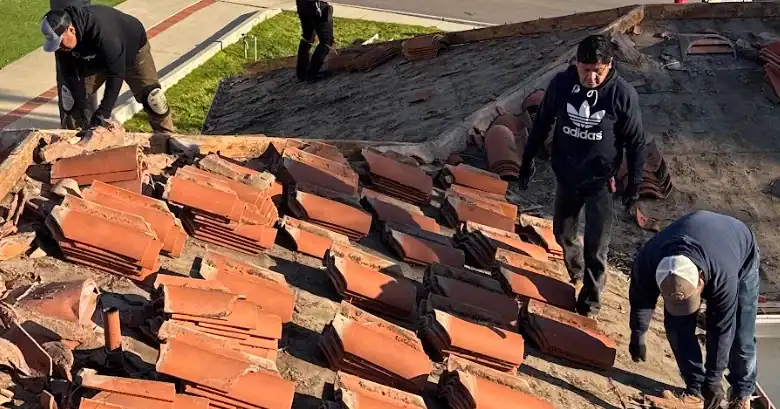
Work in stages keeps the house covered at the end of every day, so that a sudden rain does not find an open roof, and the whole process takes patience.
What to Do Before Summer Ends
Clearing leaves and needles from valleys, gutters and the back of chimneys removes fuel that could ignite from a flying ember, and repair broken pieces before the winds arrive.
Notes That Help the Next Owner
After a re-lay or a repair, keep the photographs, the proposal and a few spare units stored somewhere safe, because color and profile matching gets harder with time, and a clear record makes repairs simpler.
Next Steps for Your Roof
Homeowners weighing Clay Tile Roofer Services in Central Coast California can begin by describing the house and the roof they have, so use 805-723-2381 to set up the next step. Calling before a problem becomes urgent makes it easier to compare materials and schedules, and the roof will tell the story once someone looks.






















