
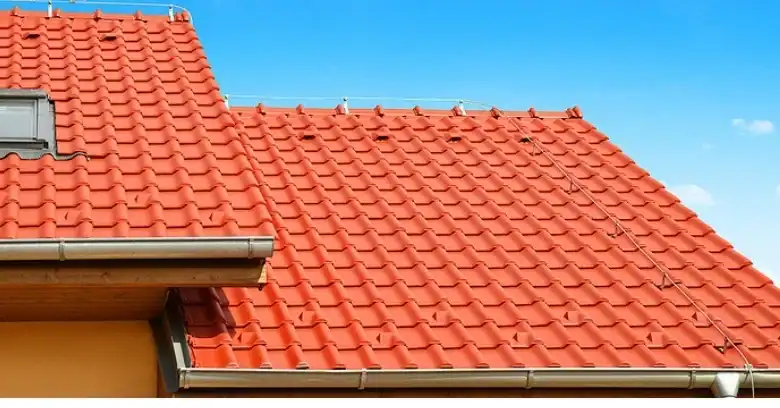
Weighing Clay Tile Roof Contractors Throughout Central Coast California?
Creative Roofing works with clay and concrete roofing units, from a single cracked piece to a full re-lay, for homes in Central Coast California and the towns around it.
Dial 805-723-2381 and describe the roof and what you are seeing.
What Makes a Roof Out of Fired Clay or Molded Concrete Different
The surface you see is only the first line of defense on a roof like this, and the system works only when every piece is in place. Concrete units are molded from cement and sand and colored through the body or on the surface, and the look varies enormously.
Load and Support
A concrete or clay roof weighs several times more than a shingle roof, so the framing has to be up to the load, and it should happen before materials are ordered. A house that was built for shingles may not be safe under a full load of concrete, so ask who will assess the framing.
Why Leaks Start Below the Surface
Beneath the visible surface lies a waterproof membrane that does the hard work, and a membrane that has dried out is a common reason for leaks. Sun and heat trapped under the units bake the underlayment for years, until it dries, cracks and fails, so ask what product will go under the units.
Dry Climate, Durable Roof
Long dry summers are easy on the material itself, though the layers underneath age in the heat, and the color stays true for decades. Moss and lichen are less of a problem in dry summers, though shaded areas may collect some, and a little care goes a long way.
Walking on a Fragile Roof
Broken pieces are the most common problem on a roof of this kind, and they usually come from foot traffic, and waiting makes the repair more expensive. Anyone who walks a roof of this kind needs to know where to step, because the wrong spot breaks the piece, and keep spare pieces from the original installation.
The Detail Work on a Heavy Roof
Metal flashing and sealant protect these joints, and both age in strong sun, and sealant alone is never a lasting answer. Cracked and crumbling mortar along the ridge lets water and wind get under the cap pieces, and a clean ridge line is a sign of good care.
How Units Are Secured
The method of attachment depends on the slope, the wind exposure and the local rules, and the attachment method should be in the proposal. Keeping the roof and gutters clear of leaves and needles is part of staying safe, and clean valleys are important.
Options for a Tired Roof
Re-laying saves the cost of new material and keeps the original look of the house, and it is easy to overlook. If the pieces are worn out, a re-lay would only reuse tired material, so it is a time to consider all the options.
Ridge Bedding and Edge Details
Foam adhesives are widely used to secure units, particularly in areas where wind is a concern, because they bond quickly and resist uplift, and it pays to think it through. Eave closures and bird stops fill the gap beneath the lowest course, keeping out birds, rodents, leaves and windblown embers, and a good roofer checks them without being asked.
Looking After the Appearance
Cleaning should be done carefully by someone who knows the material, since walking on the roof is a risk to the units themselves, and a clean roof looks years younger. High pressure is the wrong tool for a roof made of individual pieces, because the water is driven uphill under the laps, so combine the two visits.
Underlayment Choices and Upgrades
The underlayment is the part of a roof of this kind that owners cannot see and roofers can easily skimp on, so it deserves specific attention in a proposal, and why. Counter-battens add further airflow and reduce heat transfer into the attic, and it pays to think it through.
Working Around Obstacles
The best time to add rooftop equipment is when the roof is being re-laid, because the openings can be built in properly, and a little care goes a long way. A roofer can place a few walkway planks or marked steps to protect the routes that others will use, and the details are worth a closer look. Valleys and low points on a roof of this kind carry the heaviest flow in a downpour, and the units along their edges are cut to fit and sealed with care, so make valleys the first stop on any check.
Weighing Clay Against Concrete
Cast from cement and sand, concrete units take their color from pigment in the mix or from a coating applied to the surface, and that is worth keeping in mind. Flat profiles give a contemporary look and are often used on modern houses, while barrel shapes suit traditional architecture, and think about the neighbors as well.
What Should Be Written Down
Look for details on the underlayment type, the valley metal and the ridge system, and compare two bids line by line. A roofer who has re-laid many roofs knows the pitfalls and can describe them without hesitation, and a confident contractor will welcome them.
Stages of a Careful Re-Lay
A re-lay begins with the units being lifted in sections, stacked carefully and sorted so that sound pieces are kept and broken ones are set aside for replacement, and the whole process takes patience.
Roofs of Fired Clay and Concrete in Wind and Fire Country
Clearing leaves and needles from valleys, gutters and the back of chimneys removes fuel that could ignite from a flying ember, and a tidy roof is a safer roof.
Keeping Track of a Long-Lived Roof
A note of the underlayment type, the flashing metal and the fastening method helps any roofer who works on the roof later, and it pays to think it through.
Ready to Look at Options
A conversation about Clay Tile Roof Contractors in Central Coast California usually starts with the age and condition of the roof, and the number is 805-723-2381. There is no pressure in asking about your roof, and a little care goes a long way.






















