
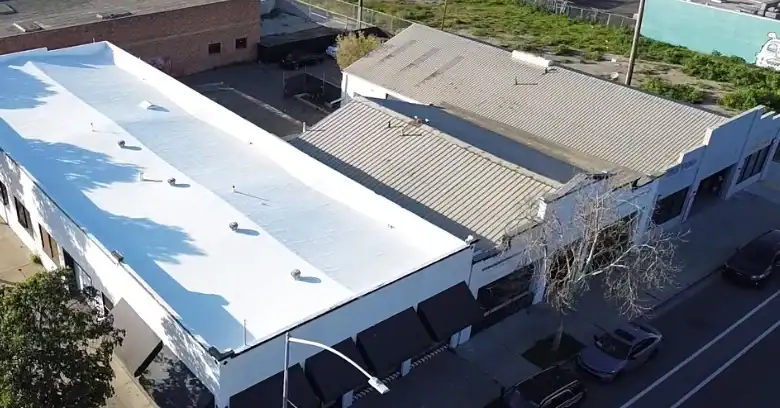
Researching Commercial Roofing Serving Central Coast California?
Creative Roofing handles building roofs with an eye on drainage, access and daily operations, from Central Coast California to the neighboring communities.
Dial 805-723-2381 to start planning the work with someone who knows low-slope roofs.
How Building Roofs Differ
The roof on a store or office is a working surface as much as a cover, so the finer points carry the weight. Water that stays on a roof for long finds every weakness in the membrane, and there is little margin for sloppy work.
A roof leak above a store, warehouse or office damages more than the ceiling, so planning ahead is the practical approach.
A Look at the Main Systems
TPO, PVC and EPDM are the single-ply families most owners hear about, and the differences matter when comparing proposals. Asphalt-based systems are proven and repairable but heavier than single-ply sheets, and it is easy to overlook. Standing seam metal panels cover warehouses, schools and retail buildings, and the right answer depends on what is already on the roof.
Keeping Water Moving
Every flat roof is only as good as its drainage, and ignoring it tends to shorten the life of the membrane. Leaves, seed pods and windblown trash gather in corners and drains over the summer, and the first heavy rain turns it into a plug.
Rooftop Equipment and Penetrations
Heating and cooling units, exhaust fans and vents sit on most commercial roofs, and the flashing around each one has to be right. Foot traffic that is not planned for wears the roof where it matters most, and it is easy to overlook.
How the Climate Affects a Building Roof
Heat and ultraviolet light age a roof surface more than rain does, and the surface slowly dries, chalks and cracks. A cooler roof surface lowers the strain on air conditioning in hot months, and local rules may favor reflective surfaces on some projects.
Maintenance Programs
Scheduled inspections catch small problems before they reach the ceiling, and a little care goes a long way. Small repairs made early keep water out and extend the life of the membrane, and most items take only a short time.
Deciding What to Do With an Aging Roof
Moisture surveys can show how much of a roof is truly wet inside, so ask for evidence before agreeing to a plan. Once water has spread through the layers, replacement is the honest answer, and that is worth keeping in mind.
Keeping the Business Running
A good plan keeps customers and staff away from the areas under construction, and communication with tenants is part of the job. Anyone entering the roof during construction needs to be accounted for, and plan for parking and deliveries as well.
Making Sense of Competing Bids
The scope of work should list drains, flashing, curbs and any insulation to be added, and the cheapest-looking option may leave things out. Ask how the work will be inspected and what documentation will be provided at the end, and a future owner will thank you.
Where the Water Really Gets In
Tracing a leak on a low slope takes patience, because water wanders, so a careful inspection is worth the time. Open seams, cracked sealant and failed flashings account for a large share of leaks, so the inspection begins at the details. A survey gives facts to base a decision on, so it is worth asking about on a larger roof.
Wind, Fasteners and Roof Edges
The edges and corners of a flat roof take the highest wind loads, and loose metal trim is an early warning. Edge metal, copings and fascia need to be fastened securely and sealed at the joints, so it deserves a look after any windy spell.
Walls, Parapets and Flashing Details
The junction of roof and wall is where movement and water meet, and a gap at the top lets water run down behind the membrane. Sealants at the top of a flashing dry out in strong sun and need redoing, and ignoring it can undo a good roof.
Coatings and What They Can Do
Roof coatings are liquid products rolled or sprayed onto an existing roof to form a protective skin, and a little care goes a long way. A coating is not a cure for a failed roof, and ask for the test results first.
Big Buildings, Big Roofs
Big projects need a plan for storage, staging and phasing, and it is easy to overlook. A leak in one unit may start above the next one down the line, and the owner usually coordinates the work. Roofs over housing need extra care to keep people safe and informed, and it pays to think it through.
The Long View on Roof Spending
People who set aside funds for roof work avoid scrambling when the time comes, and nobody likes a surprise expense. The cheapest proposal is not always the best value, so compare what is included before comparing totals.
Insulation and Cover Boards
Most commercial roofs have rigid insulation boards between the deck and the waterproofing, and they are protected by the membrane above. Cover boards add a firm surface that protects insulation from foot traffic and hail-free impacts, so many owners include it. Slope built into the insulation is one of the cleanest ways to fix drainage problems, and few owners regret it.
Late-Summer Readiness Checks
Rooftop units should be examined for loose panels, failed seals and missing fasteners, since a stray panel can let rain into the system, and the visit takes only a short time.
Next Steps for Your Commercial Roof
Owners comparing Commercial Roofing in Central Coast California can start by describing the building and what concerns them, so use 805-723-2381 to set up the next step. Whether the roof is leaking today or just getting old, an early look gives you more options, so reach out whenever you are ready. People who manage property tend to value a straight answer about the roof above all, and the roof will show the rest. Tenants, lenders and insurers all take an interest in the state of a roof, and that is worth keeping in mind.






















